NEWS
Indonesia’s Climate Crisis Puts Mothers and Children at Risk, Who Will Protect Them?
- Nov 27, 2026
-
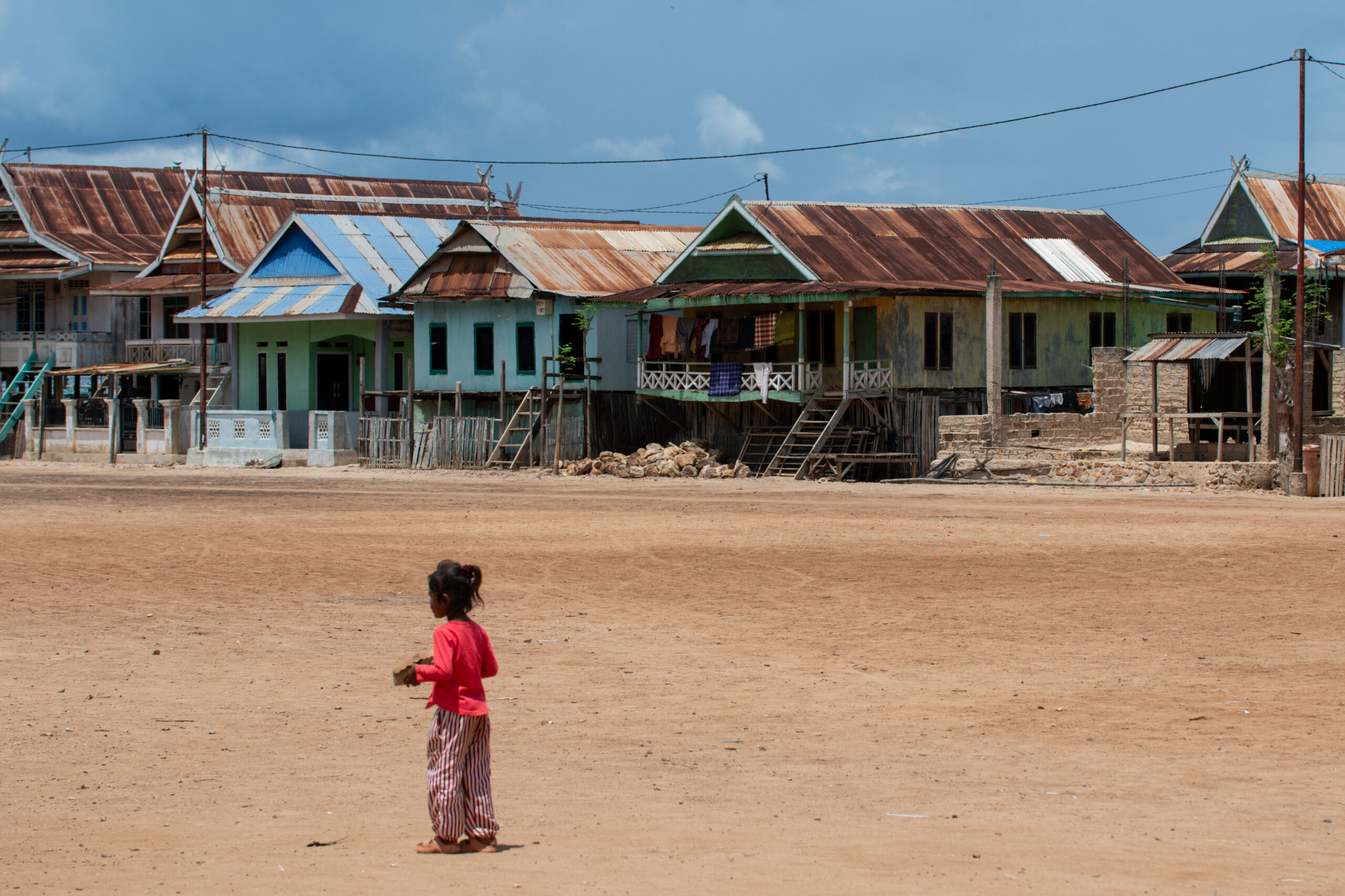
In August, City of Pekanbaru, Indonesia woke to air that monitors rated “very unhealthy”. By October 2026, Indonesia had spent months fighting its most intense forest fires in 11 years, according to Reuters, and hundreds of thousands of people had been treated for respiratory illness. Greenpeace Indonesia estimates that 41.1 million people in ten provinces were exposed to toxic air between August and the start of October 2026. How many were pregnant, and what might that exposure mean for their children?
In 1997, an El-Niño drought turned fires lit to clear land, much of it for oil palm, into a regional disaster. Economists Jie-Sheng Tan-Soo and Subhrendu Pattanayak later followed 560 children who were in the womb or under six months old during the fires. At 17, the children exposed to haze before birth were half a standard deviation shorter for their age. Because adult height tracks earnings, the authors estimated a loss of about 4% of monthly wages for roughly one million Indonesians born in that period.
IPB university forest fire expert Bambang Hero Saharjo, citing a research report, warned earlier in 2026 that the El-Niño could cause fires affecting as much as 11 million hectares, on a par with 1997-1998. That was a projection, not the recorded area burned. The 1997 study cannot tell us how tall today’s newborns will be at 17. Pollution levels differ, and so do health services. But its findings suggest that exposure to severe haze before birth can have consequences that persist well beyond childhood. As researcher David Gaveau of Nusantara Atlas put it, El-Niño does not ignite fires. People light them, and a drier climate lets them spread.
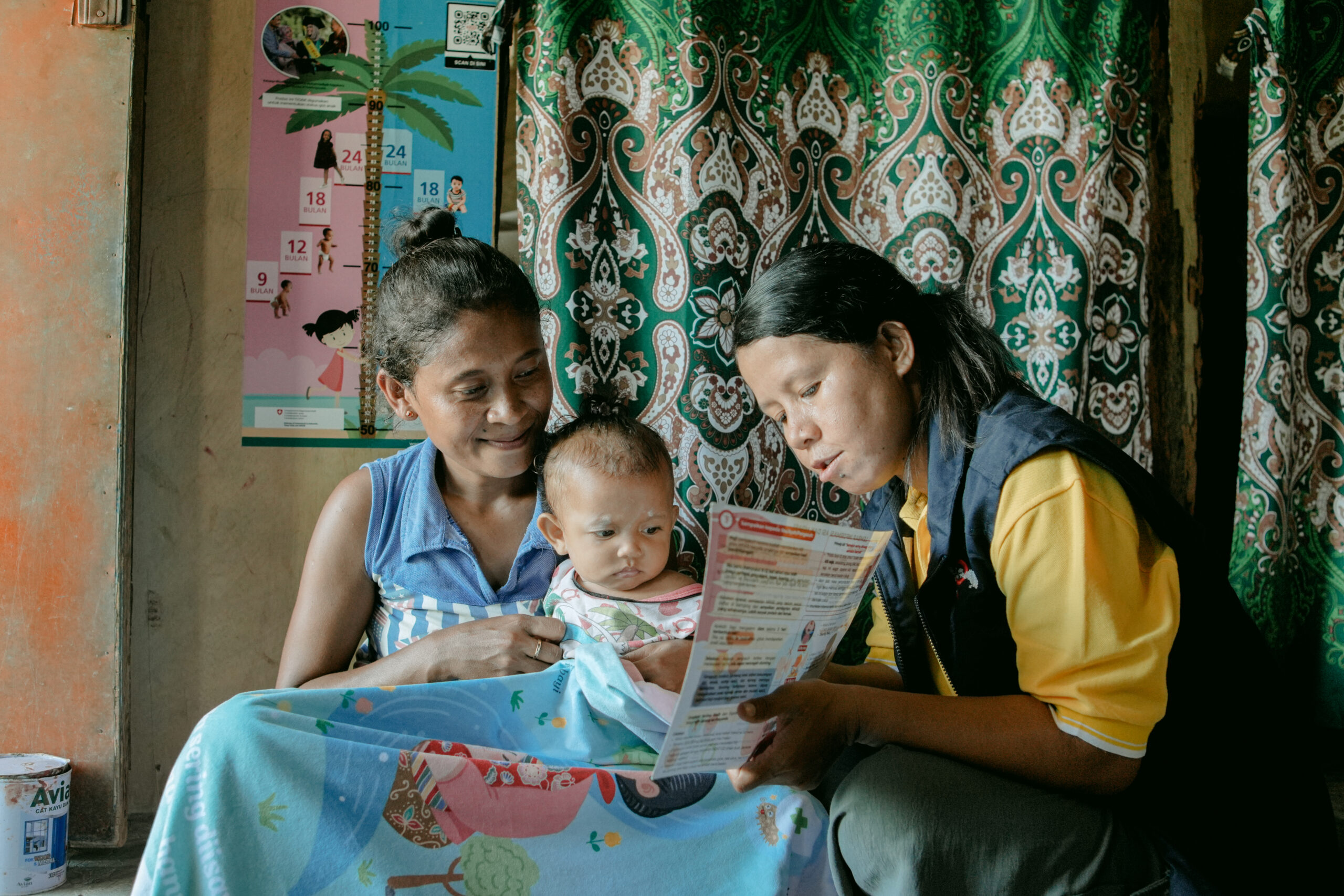
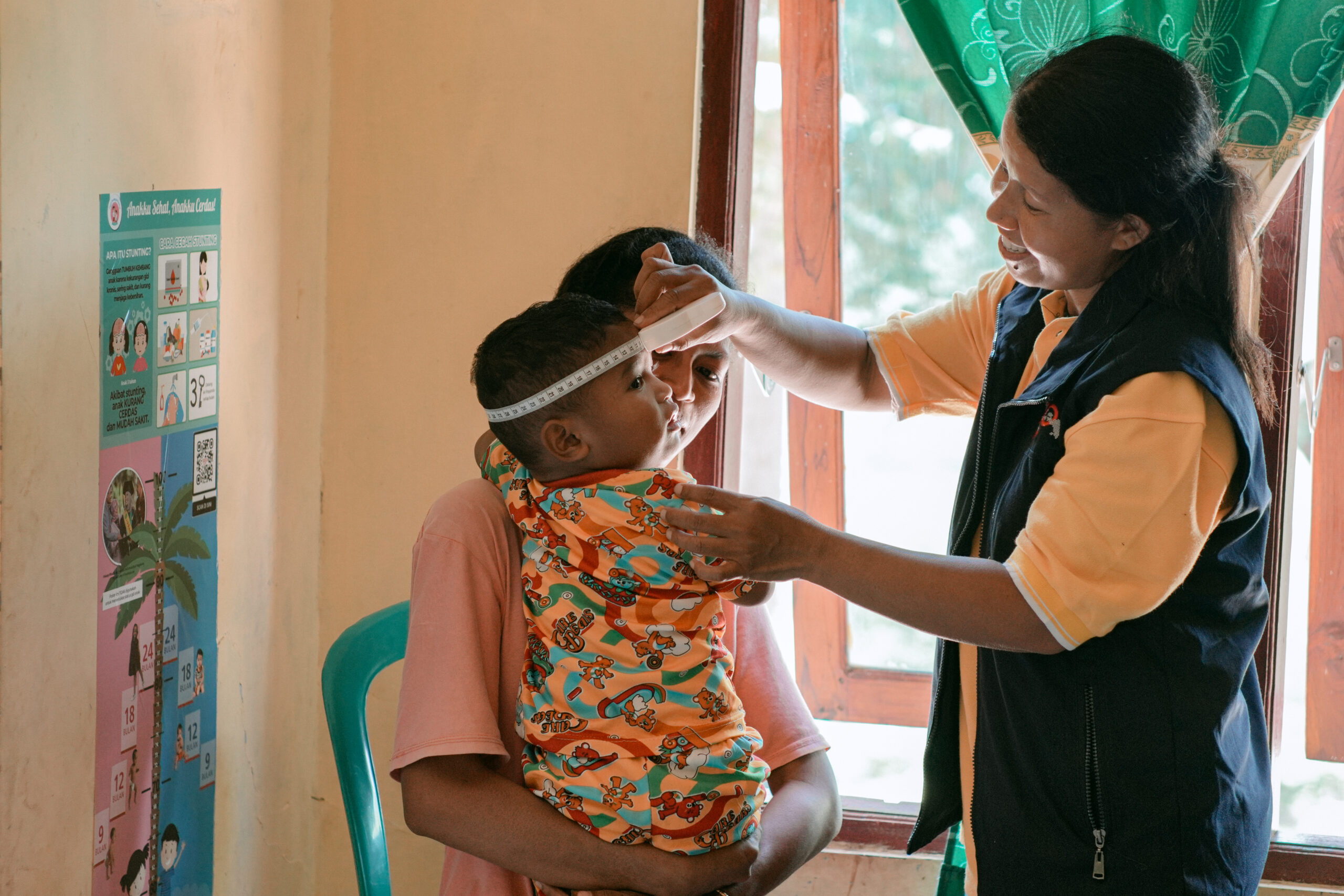
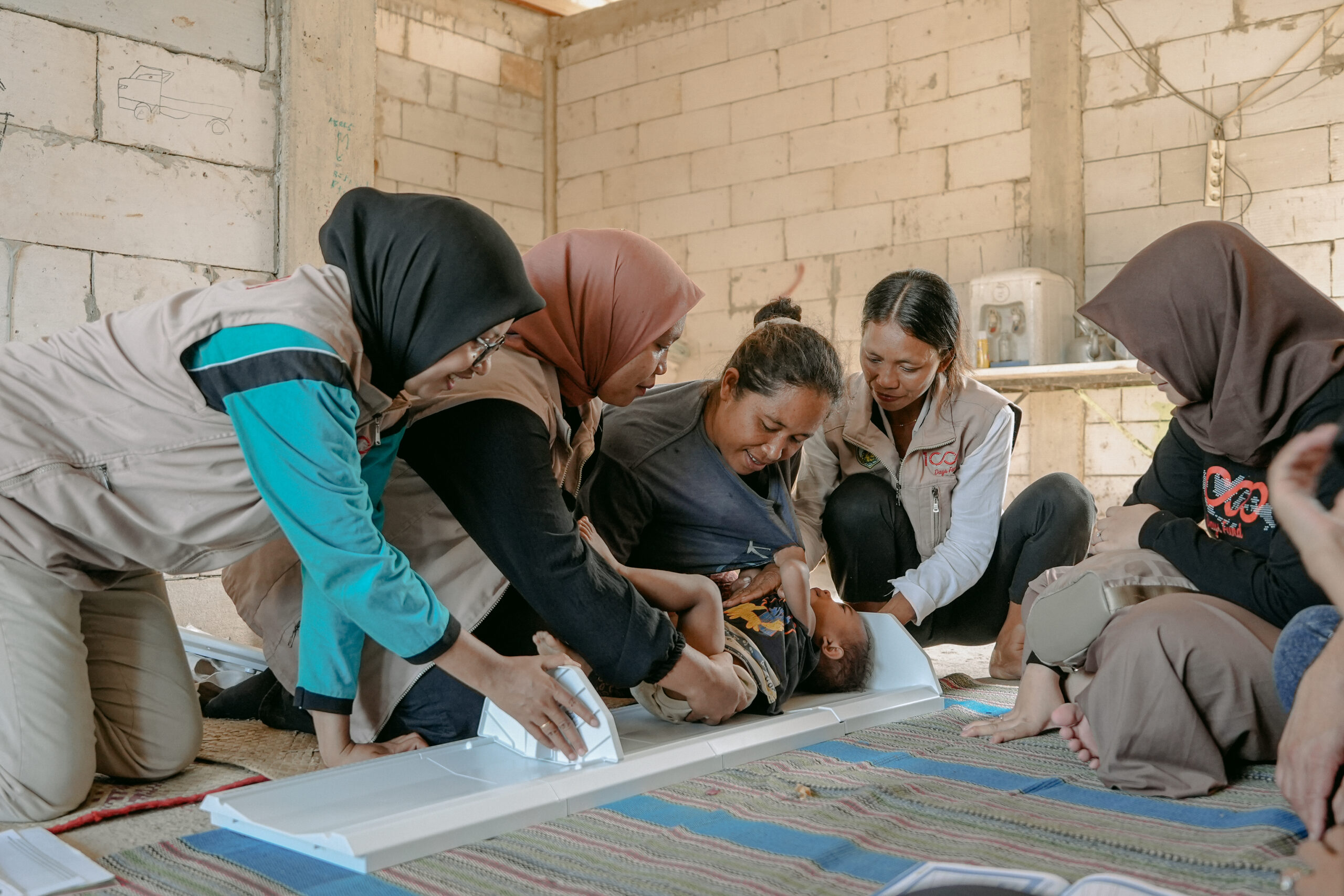
Smoke also reaches children after birth. Haze is associated with higher rates of respiratory infections among young children, a pattern researchers have tracked in Palembang, and a sick toddler may eat less. Nutrition researcher Kathryn Dewey and Daniel Mayers describe how infections can blunt appetite, reduce nutrient absorption and divert energy from growth. At Posyandu (community health post), Community Health Workers (CHWs) weigh these children and record whether they are still growing.
Heat poses another risk. Climate Center estimated that climate change added an average of 41 days a year above locally defined pregnancy heat-risk threshold in Indonesia between 2020-2024, more than in any Asian country except Singapore and Brunei. National linking prenatal heat exposure to children’s growth remains limited, but research from South Asia, with a similarly hot and humid climate, offers a warning. Katie McMahon and colleagues at UC Santa Barbara found that accounting for humidity substantially increased the estimated adverse effects of prenatal extreme heat exposure on children’s height for age.
Beyond smoke and heat, El-Niño can affect child nutrition by reducing crop yields and pushing up food prices. In May, the Indonesian Pediatric Society (IDAI) warned that El-Niño-related food shortages and rising prices could increase stunting prevalence by 15 to 25%, although the reported projection did not specify the basis for that increase. Furthermore, UNICEF Indonesia’s district mapping, which combines climate and disaster risk with nutrition and food security indicators, identifies East Nusa Tenggara as a very high-risk province which is one of the locations the TDF operates for stunting prevention and response.
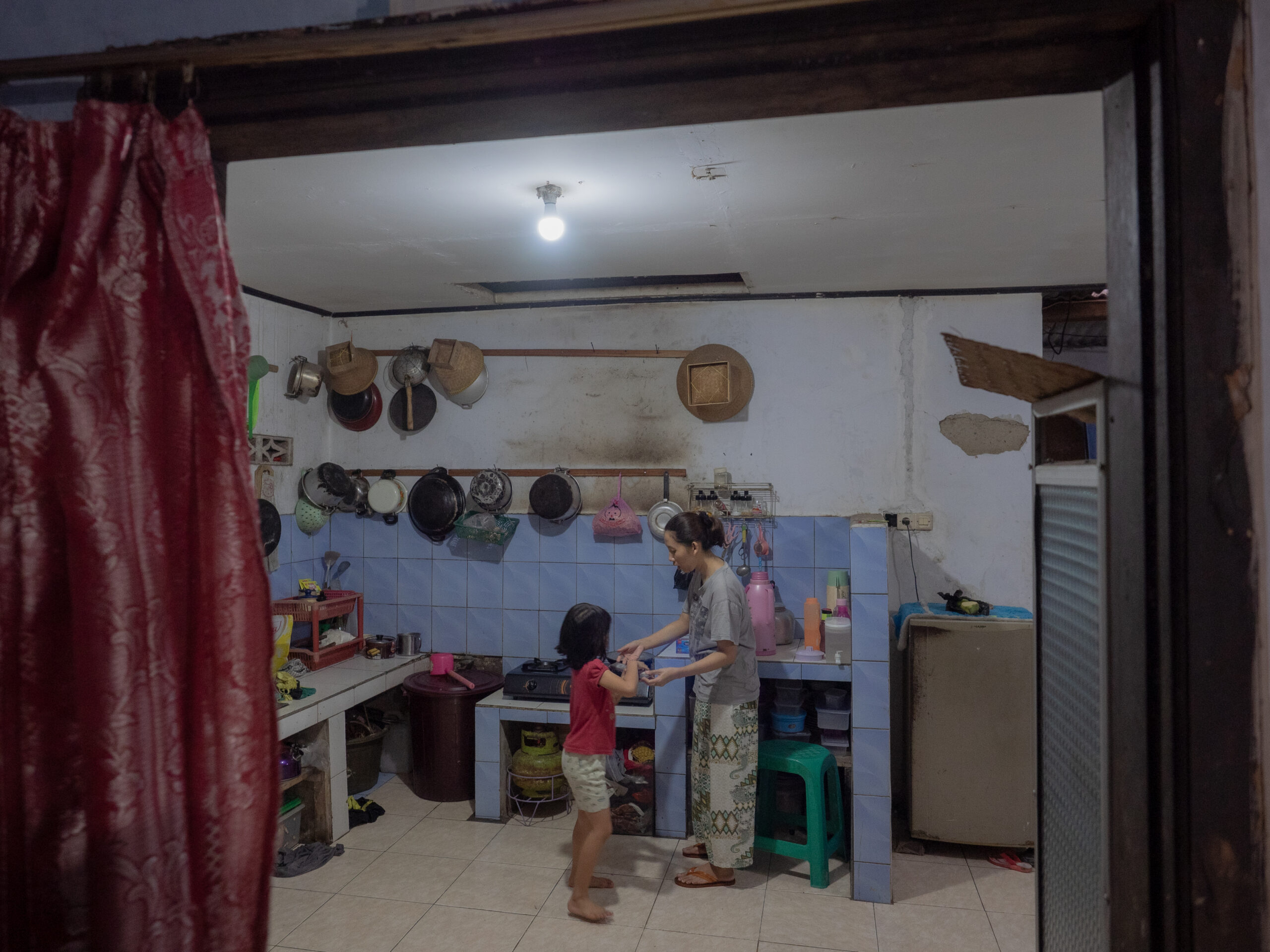
Despite these risks to maternal and child health, public reporting on haze and heat provides limited information about exposure during pregnancy. Officials count hectares burned and patients with breathing problems. However, TDF could find no public figure for how many pregnant women breathed this year’s smoke or worked through the hottest days. Without that information, district health offices have less evidence to identify and prioritise women who may need protection during haze and heat emergencies.
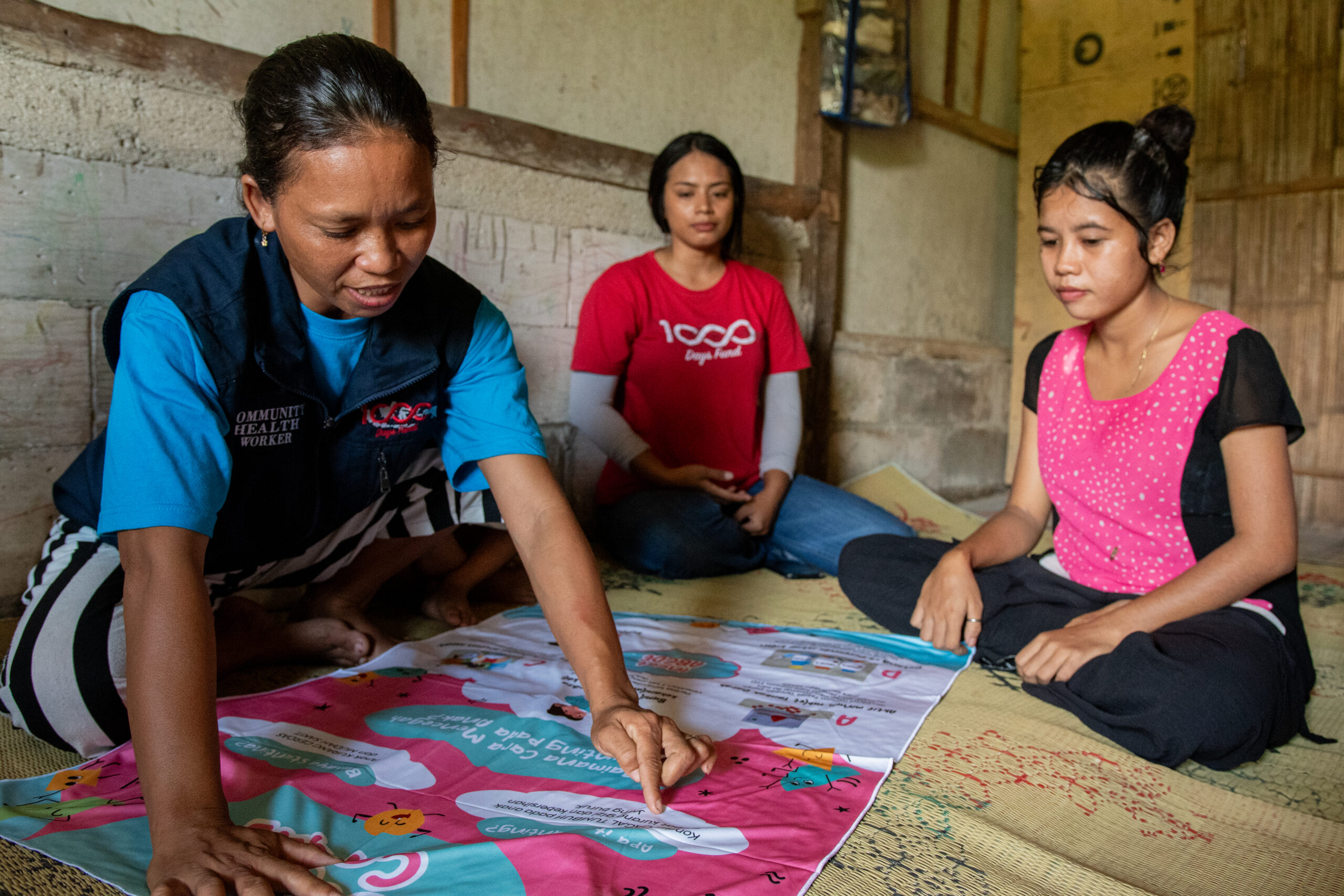
Protecting pregnant women and children from these risks also depends on the health services families can reach. In many Indonesian villages, CHW are among the first people families turn to for maternal and child health support. For instance, based on CHWs TDF interviewed described how much their neighbours lean on them. Neighbours stop them with health questions on days when there is no Posyandu. From the story that TDF collected, one CHW took a call at 3 a.m. from the husband of a pregnant neighbour whose waters had broken. She coordinated with the village midwife, packed the maternal health book and the family;s papers, called a car and stayed at the Puskesmas (Community Health Centre) until the baby arrived at 5 a.m. So, when smoke or heat threatens a pregnancy or a toddler, these are the health workers many families can reach first.
These experiences are part of a much larger community system. Indonesia has approximately 1.5 million CHWs. They run the monthly Posyandu and visit pregnant women at home, including in provinces under haze this year. These existing responsibilities could also help identify households needing support during heatwaves or haze emergencies. A preprint by TDF and Udayana University researcher, links higher CHWs capacity to better household health outcomes across 1,819 households in 177 villages. The data shows an association and cannot prove cause. The study does not examine climate emergencies, but it provides evidence of CHWs’ role in household health. A 2024 review of CHWs in low-and middle-income countries documents similar roles during floods, droughts and heatwaves.
Handling CHW’s climate duties without decent pay would repeat an old pattern. As TDF set out in a previous article, the North Lombok CHWs gave about 25 hours a month for a median incentive of USD10.10 and spent a median USD2.90 of their pocket on the work. In TDF’s survey of 130 CHWs in North Lombok, 92% were women. One CHW TDF interviewed received Rp600.000 (USD32.84) per six months.
The problem is not only how to pay CHWs for additional climate responsibilities. Their existing maternal and child health work is already poorly compensated. Adding climate duties without addressing that problem would place even more unpaid work on village women.
The call should cover three essential changes. National and district haze and heat responses should put pregnant women and children under two as priority groups, with CHWs mapping who they are and where they live. The Ministry of Health should add heat and smoke protection for pregnant women and children to the CHW’ curriculum. National and district governments should ensure decent compensation for CHWs’ existing responsibilities and ensure that any additional climate-related work is adequately funded.
The children exposed to smoke in 1997 are now nearly 30. Those exposed this year grow up in a hotter country. Indonesia already has a network of CHWs supporting pregnant women and children under two, but their existing work remains poorly compensated. As climate risk grows, the government cannot continue relying on these women to take on more responsibility while failing to adequately pay them for the work they already do.
RECENT POSTS
Professionals on Demand, Volunteers on Payday: Indonesia Health Care from the Lense of Neglected Women’s Community Health Workers.
04/11/2026