NEWS
Indonesia’s CHWs in the Care Work Trap: Workers’ Contribution, Volunteers’ Pay
- Oct 30, 2026
-
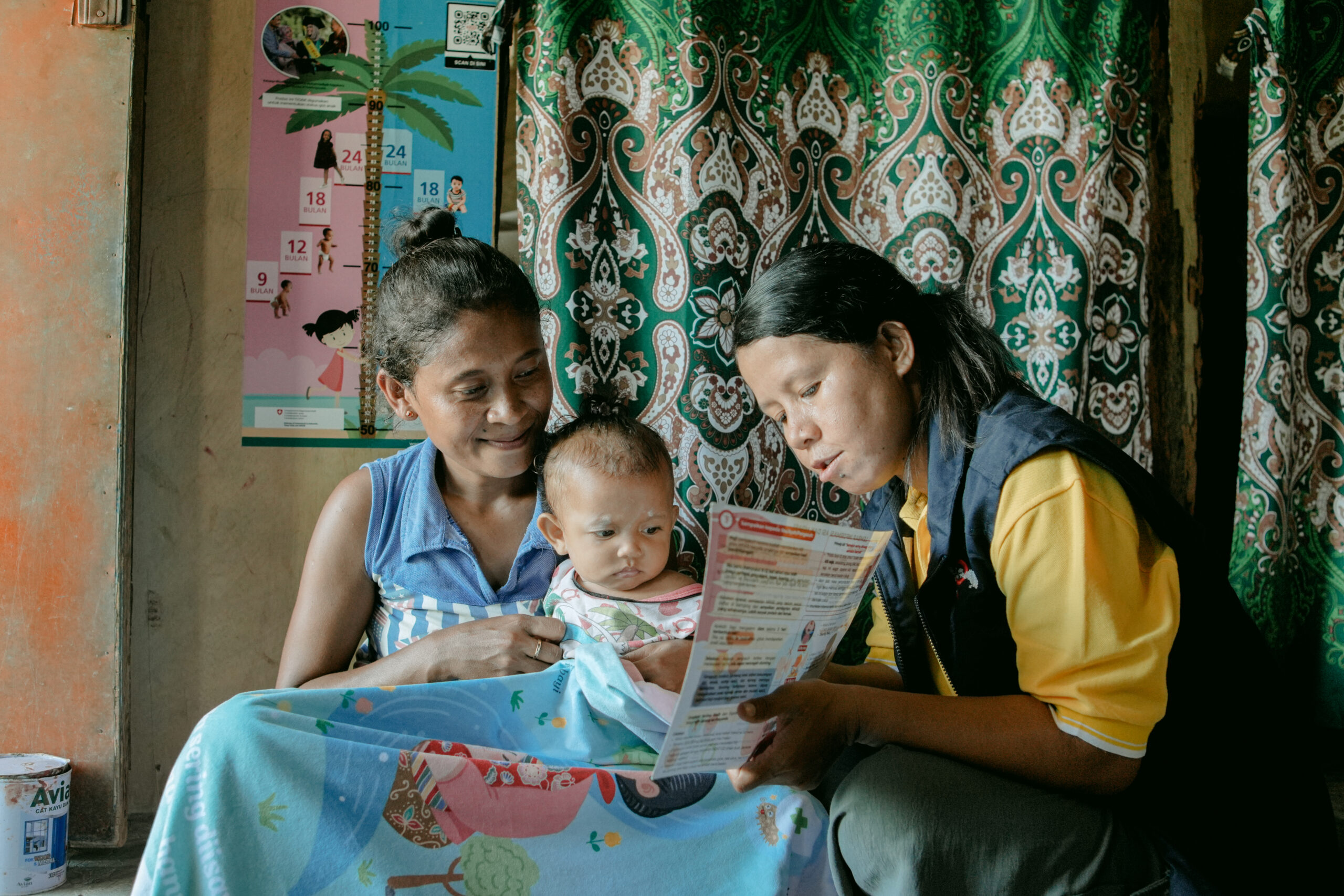
Around the world, care work keeps families alive yet often goes unpaid. In Indonesia, Community Health Workers (CHWs) carry this circumstance into stunting prevention. An analysis of 1,819 households in 177 villages reveals an established link between CHWs’ contributions and family health outcomes despite being taken for granted.
In 2018, The International Labour Organization (ILO) estimated people spend 16.4 billion hours a day on unpaid care work, with women doing 76.2% of it. If valued at the minimum wage, that work would equal 9% of global GDP. The ILO finds it “mostly invisible, unrecognized and unaccounted….”. The Economists Balwant Singh Mehta and Aasha Kapur Mehta point to one reason: labour statistics do not count people who provide unpaid care as workers at all.
Care work stays unpaid or underpaid across many settings. At home, mothers raise children without compensation; meanwhile, advocacy for domestic workers in Indonesia requires 22 years of effort before it is recognised by law through Indonesian’s parliament (DPR) in April 2026. The health system relies on the same dynamic. Women in Global Health counts at least six million women working unpaid or ‘if lucky enough’ underpaid in community health roles worldwide, titled “volunteer”.
Indonesia’s Community Health Workers: The Downplayed Frontline Workers of Stunting Prevention
Indonesia’s 1.5 million Community Health Workers (CHWs) face a stark structural paradox under the Juknis UPKD/K framework by Ministry of Health. In fact, they are formally embedded alongside certified Health Workers (doctors, midwives, nurses) and subject to demanding requirements, including physical/mental fitness, literacy, digital competence, and prior experience. Consequently, CHWs are expected to have professional-level experiences. This is codified in the Ministry of Health’s curriculum for Posyandu CHWs that specifies 25 basic skills and stratifies CHWs competencies to three formal levels (basic/purwa, intermediate/madya, and advance/utama) .
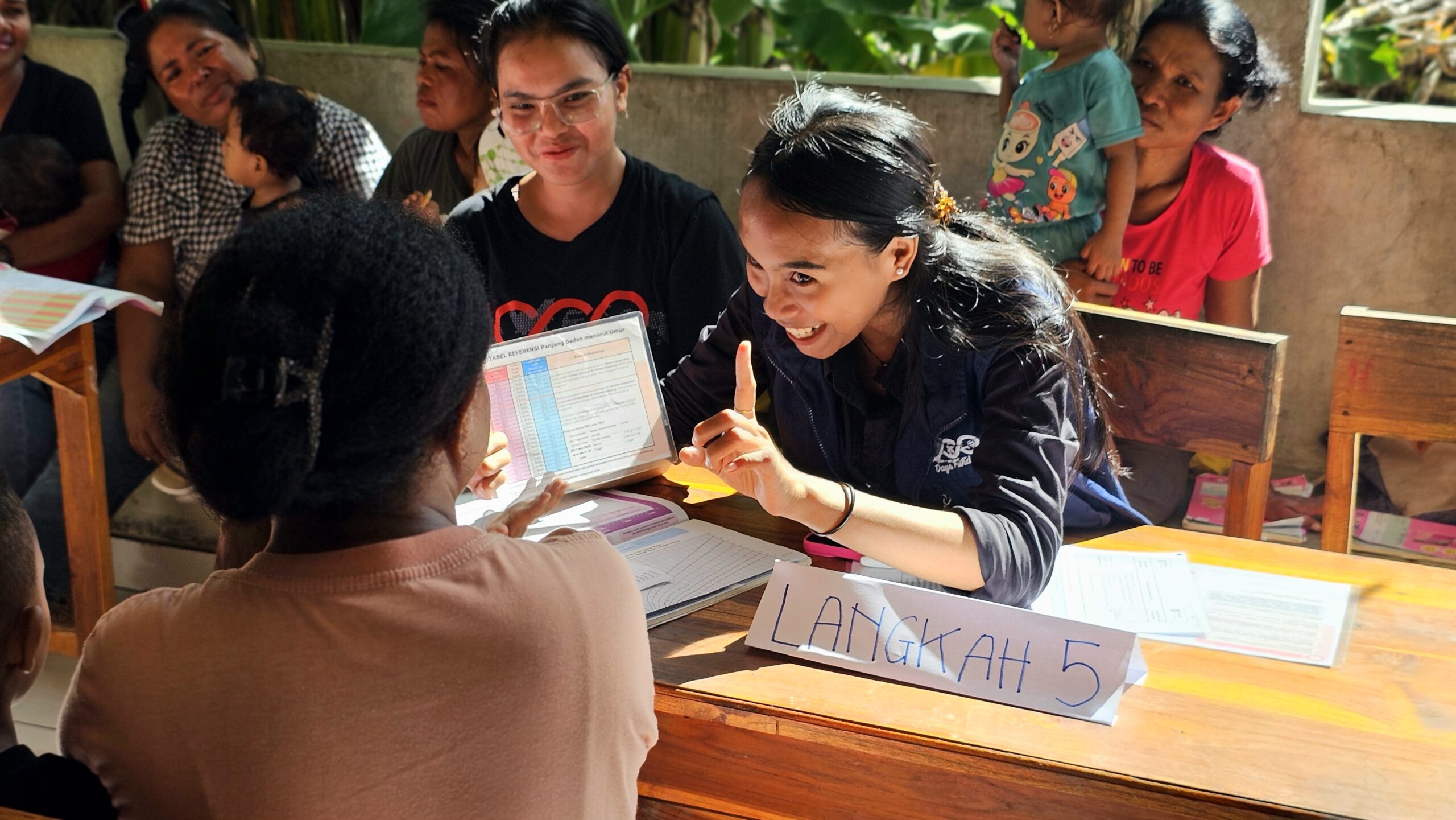
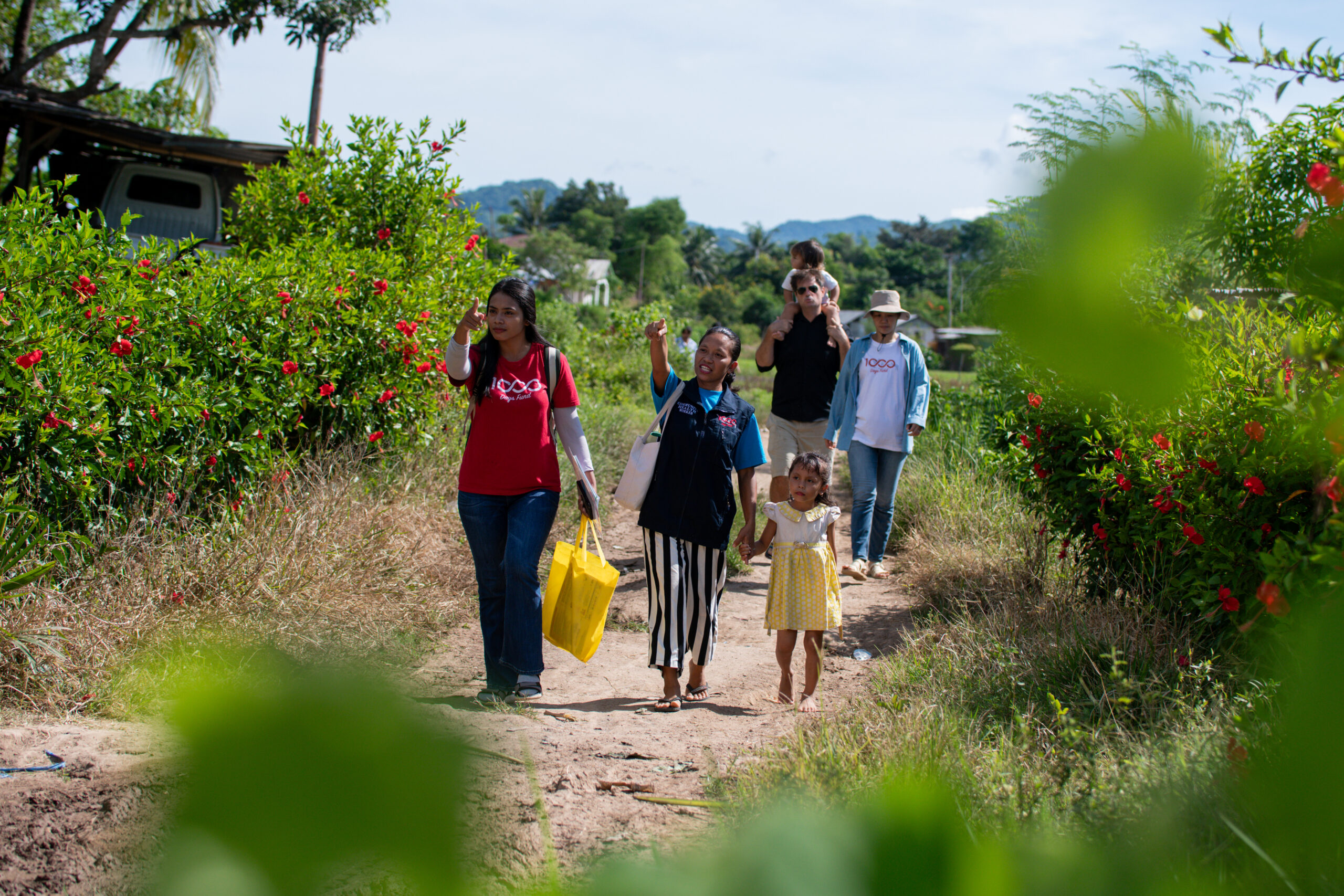
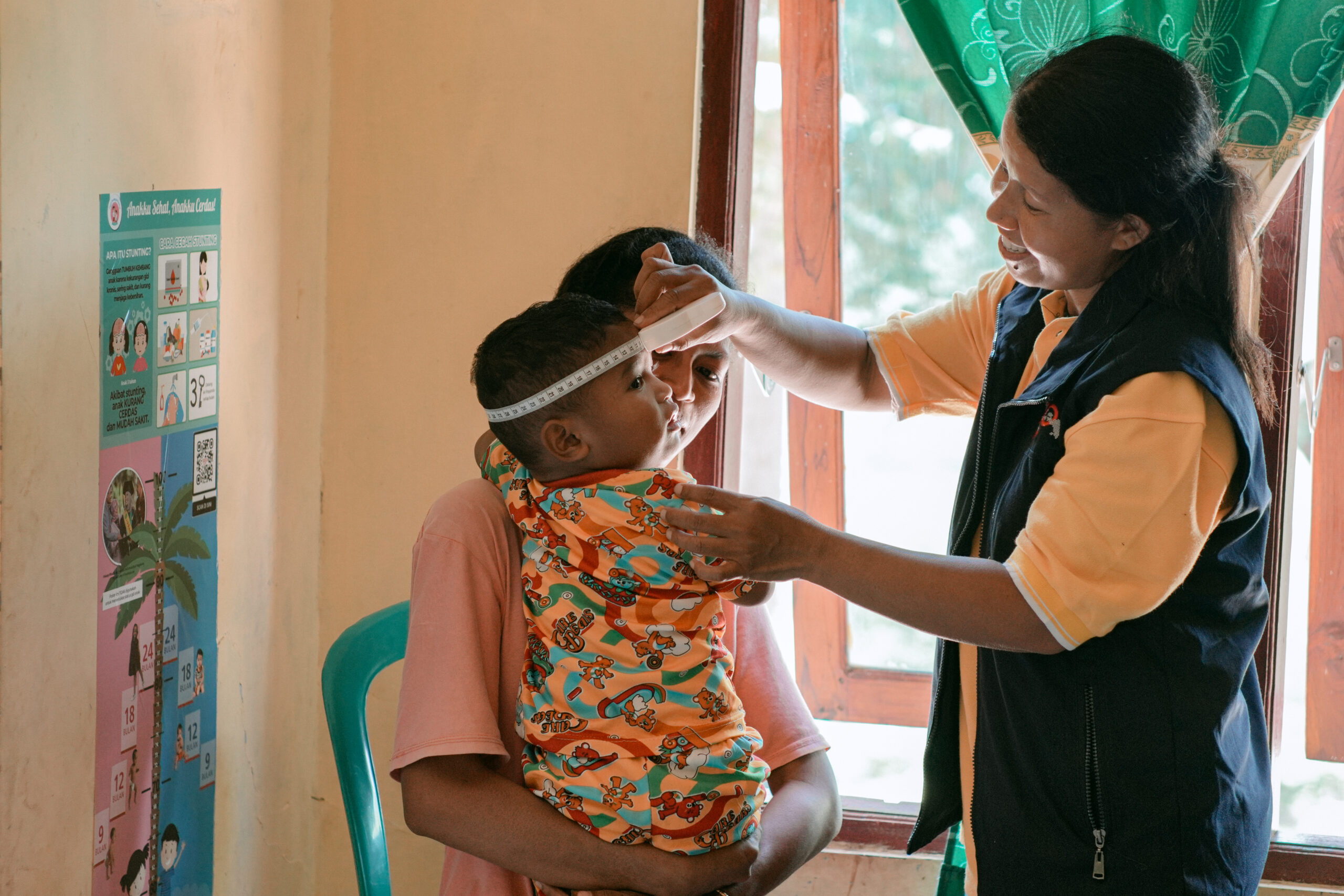
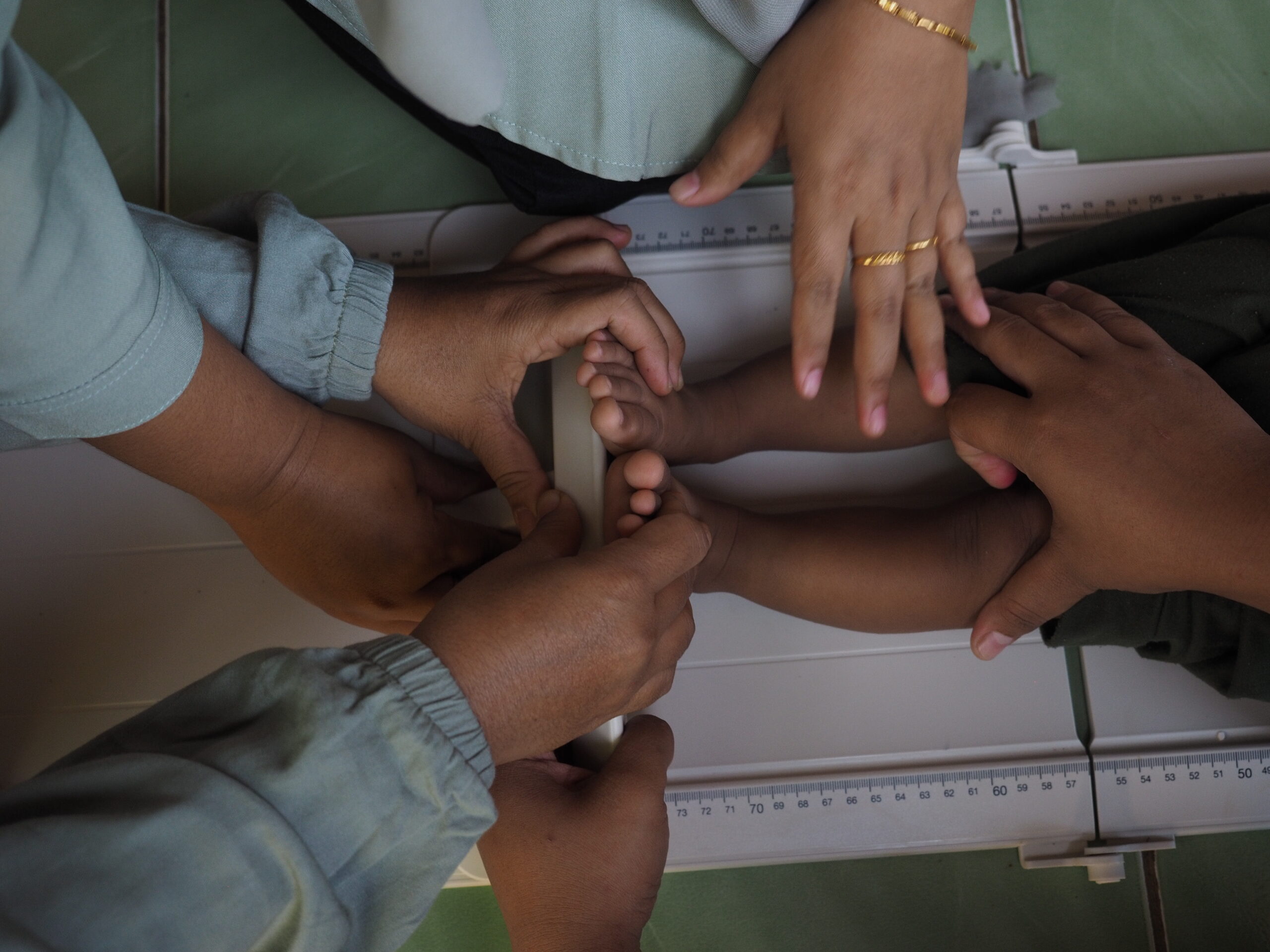
In practice, CHWs deliver on these high expectations as the backbone of local healthcare. CHWs frequently get involved running monthly posyandu (community health post) to measure and counsel the mothers, while also conducting door-to-door home visits to increase knowledge and provide information regarding stunting. Especially under a risky situation where the mother or baby need more attention, these CHWs are often tasked voluntarily with cooking and distributing supplementary feeding Pemberian Makanan Tambahan (supplementary feeding/PMT) directly to households to ensure the mother and the baby are still nourished. Despite doing ‘breadcrumb’ work, a commentary co-authored by TDF describes them as the primary drivers of community nutrition across Indonesia which is the primary factor preventing stunting. Nonetheless, the state continues to treat CHWs as volunteers.
TDF’s own research in two villages in North Lombok reveals the true cost behind that label. Of the 130 CHWs surveyed, 92% of whom were women, voluntarily gave their time about 26 hours a month for a median incentive of USD 10.10. At the regional minimum wage, that time is worth about USD 46.54. Shockingly, the CHWs also spend a median of USD 2.90 a month out of their own pockets on the work, mostly on transport. Consequently, the majority of these CHWs frequently experience financial constraints when conducting their ‘voluntary’ work, exacerbated by the fact that 55% hardly have any income stream. Despite small incentives, most CHWs are continuing their service, citing the traditional Indonesian spirit of mutual cooperation, gotong royong.
Gotong Royong Spirit Is Not a Budget
While the gotong royong spirit holds village life together, it also leaves an uncomfortable question: what is the payback? By expecting women to do care work for almost nothing in return, district and village governments effectively erase this vital component from their budget, leaving women to cover the gap through their own pockets and time. Peace researcher Johan Galtung called this systemic exploitation as “structural violence,” defining it as a harm “built into the structure and shows up as unequal power and consequently as unequal life chances.” A health system that extracts skilled labor while labeling its worker “volunteers” exemplifies this dynamic, leaving CHWs and their families to quietly shoulder the burden.
According to the TDF co-authored commentary reports , 20% to 30% of CHWs drop out each year, a high turnover rate directly linked to inadequate incentives resulting in unbearable burden. Ironically, every time a CHW teps down, the village loses a vital portion of the local capacity documented in this study.
Skilled Work, Visible Link: A Study Findings
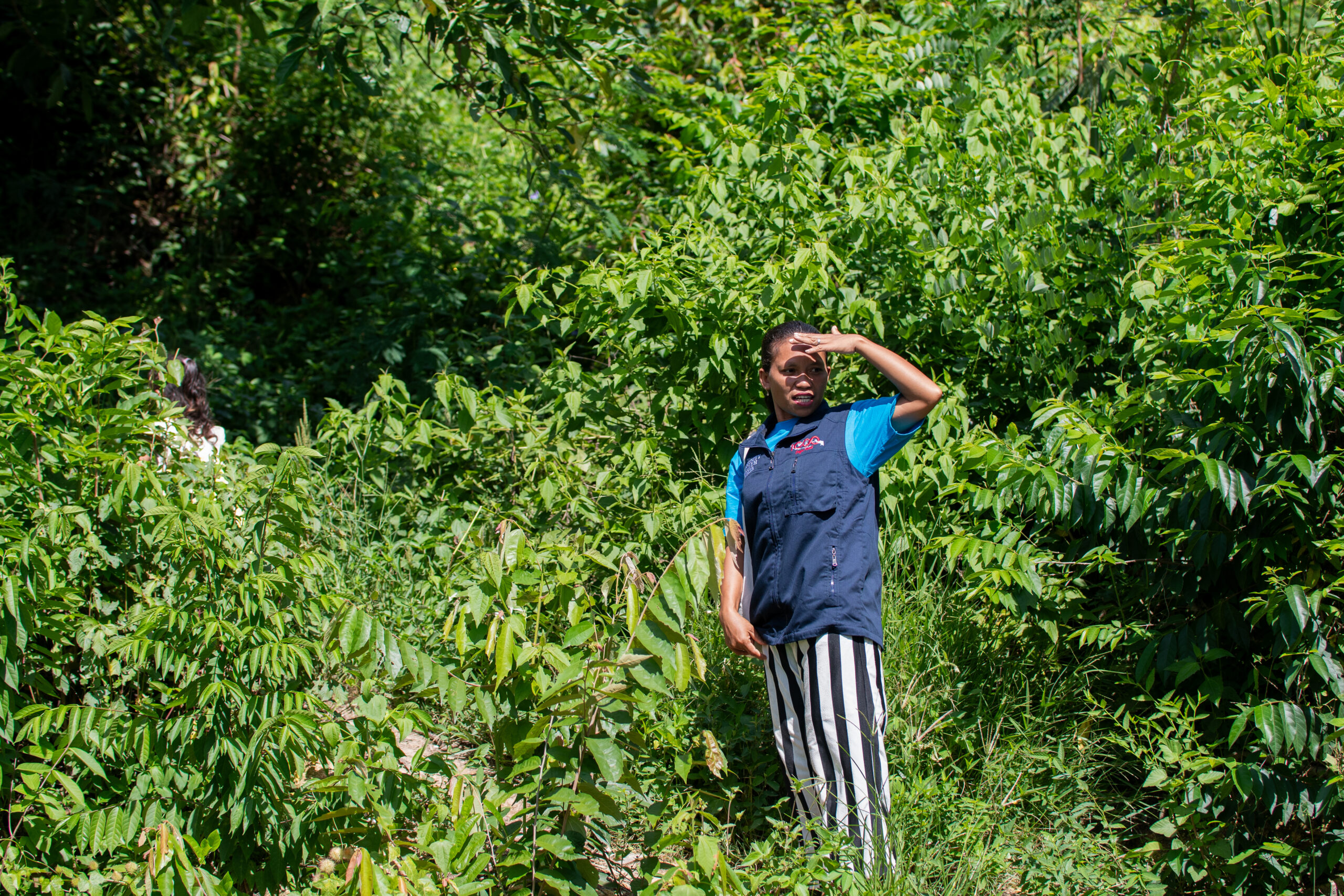
CHWs work requires skills. New evidence directly established links between CHWs capabilities and improved family health in joint research with TDF, a researcher from Udayana University monitored data from 1,819 households in 177 villages across six provinces.
The findings revealed a striking village-level effect: 45% of households have knowledge about stunting, and 43% of this population have used the posyandu services. To put that in perspective, health behaviour studies more often find figures between 5% and 20%. Many factors account for these differences, including Indonesia’s regional disparities, the research team tested one primary driver: CHWs capacity.
To measure this, they determined a CHW capacity score from five parts: (1) the CHWs’ formal education; (2) year of service; (3) training received; (4) their own knowledge of stunting; (5) how complete their equipment was. They then compared that score against six household outcomes: stunting knowledge, posyandu service coverage, water, sanitation and hygiene (WASH) practices, antenatal care, child feeding, and uptake of preventive services including vitamin A supplementation, deworming program, and ownership of Maternal and Child Health Handbook
The results were clear. Households in villages with higher CHWs capacity scored better on five of the six outcomes. For every one-standard-deviation increase in the CHWs capacity score, household outcomes improved as follows
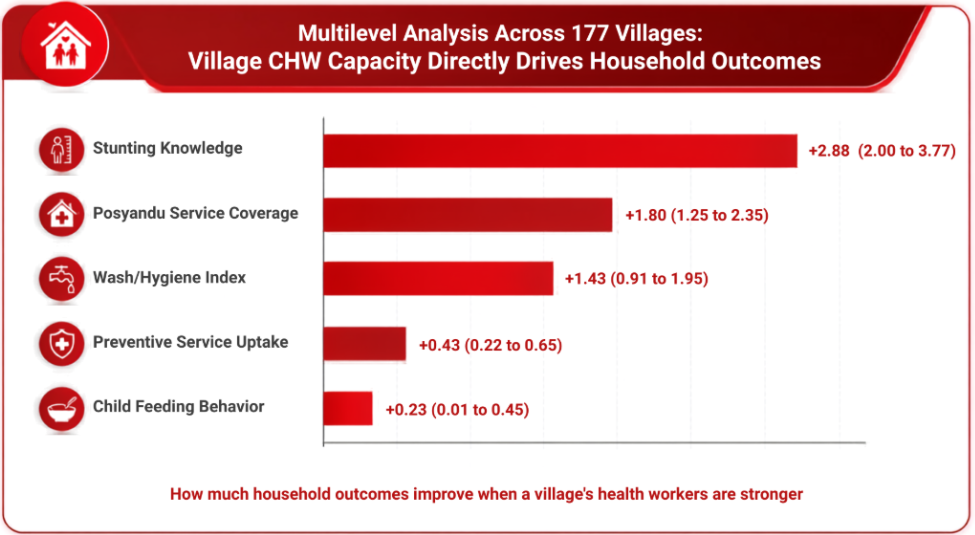 Figure 1: Household outcome associated with one-SD increase in village CHW capacity (source: joint research with TDF)
The links held after the team accounted for household income, education, age and employment. They held again when the team dropped villages where a single CHW supplied the capacity data, and when it dropped the one village that made up a fifth of the sample. Antenatal care showed no link, but this may reflect a ceiling effect rather than a true absence of association: nearly every respondent in that small group already had the top score, leaving little variance to detect. The data capture a single moment, so they show an association and the study remains a preprint. Its authors describe CHWs’s capacity as a finding “suggesting a tractable programmatic lever.”
Seen, Skilled, and Paid: What Cadres Deserve
CHWs carry Indonesia’s stunting prevention into village homes. A gender-responsive approach starts by calling care as work: skilled, measurable and worth paying for. It means treating these women not as casual help, but as professionals who earn a living wage and have a voice in the programmes that rely on them. Ultimately, the success of stunting prevention hinges on whether the women who drive it can afford to stay.
Cadres are volunteers on paper and a workforce in practice. It’s time public budgets reflected that reality.
RECENT POSTS
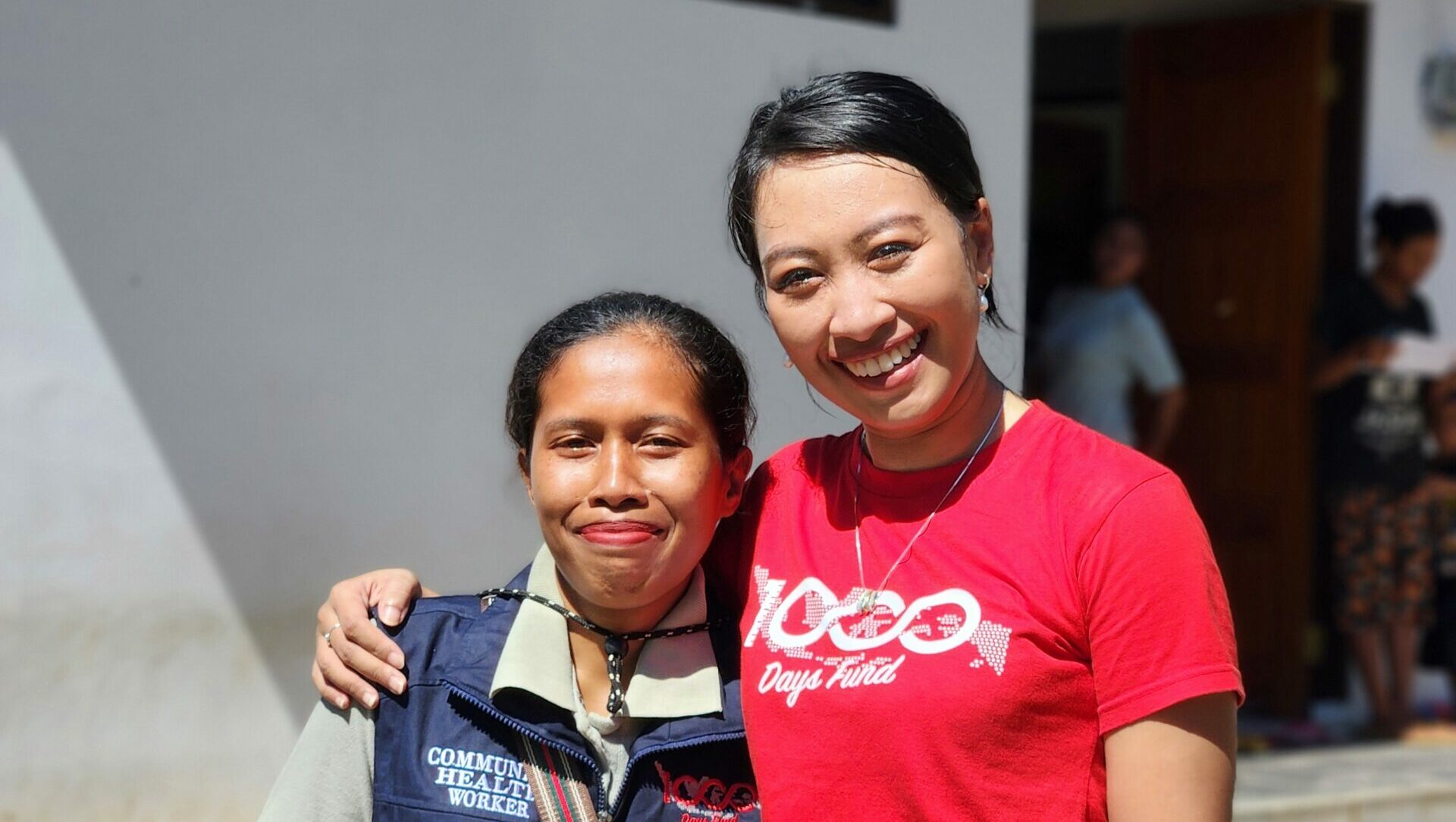
Trillions for Free Meals but Pennies for Indonesia’s Frontline Health Workers
15/10/2026