NEWS
Learning from Rote Ndao: When Political Will Helps Fight Stunting
- Oct 08, 2026
-
Indonesia’s efforts to reduce stunting offer an important lesson: policies are only as strong as the political commitment behind them.
Originally published in Katadata on May 23rd, 2026
Public policy in Indonesia is often heavily influenced by executive leadership. When political priorities change, programs that were once considered important can lose momentum, funding, or institutional support. This challenge becomes particularly significant in public health, where progress depends on long-term consistency rather than short-term political cycles.
Reducing stunting requires sustained investment, coordination between sectors, and continuous support for families and communities. Yet local governments often face limited fiscal capacity and remain heavily dependent on transfers from the central government.
Against this backdrop, the experience of Rote Ndao in East Nusa Tenggara offers an important example of how political commitment can translate into concrete action.
Turning Political Commitment into Policy
Rote Ndao Regency has demonstrated its commitment through Regent Regulation No. 68 of 2024, which focuses on accelerating stunting prevention and reduction, eliminating maternal and infant deaths, and strengthening the integration of primary health services.
The regulation does more than establish a formal policy framework. It strengthens the role of community health workers, or kader kesehatan, who serve as the frontline of healthcare delivery at the community level.
It also provides support for their operational needs and welfare, recognizing the important role they play in reaching families that formal health facilities cannot always reach.
Perhaps more importantly, Rote Ndao chose to allocate approximately 7% of its regional budget to accelerate stunting reduction and address maternal and infant mortality.
This figure is significant not simply because of its size, but because of what it represents.
In an environment where local governments have limited fiscal space, allocating a substantial share of the budget to stunting reduction is a political decision. It demonstrates that improving the health and future prospects of children is being treated as a development priority rather than merely another health-sector program.
The lesson is straightforward: political will becomes meaningful when it appears in the budget.
The Village That Chose to Keep Fighting
The story does not stop at the regency level.
In Kupang Regency, Kuimasi Village provides another example of how local leadership can protect stunting programs despite fiscal pressure. As village funding came under increasing pressure, village authorities faced difficult choices about which programs and expenditures should be maintained.
Village Head Maksen A. Liu chose an unusual approach. Instead of reducing incentives for community health workers, the village agreed to increase them while reducing the salaries of village officials themselves.
The decision reflected a clear understanding of where the frontline of the stunting problem lies.
Stunting is not simply a problem that can be solved through formal healthcare services. It is closely connected to what happens inside households: maternal knowledge about nutrition, parental involvement, feeding practices, child care, and everyday dietary choices.
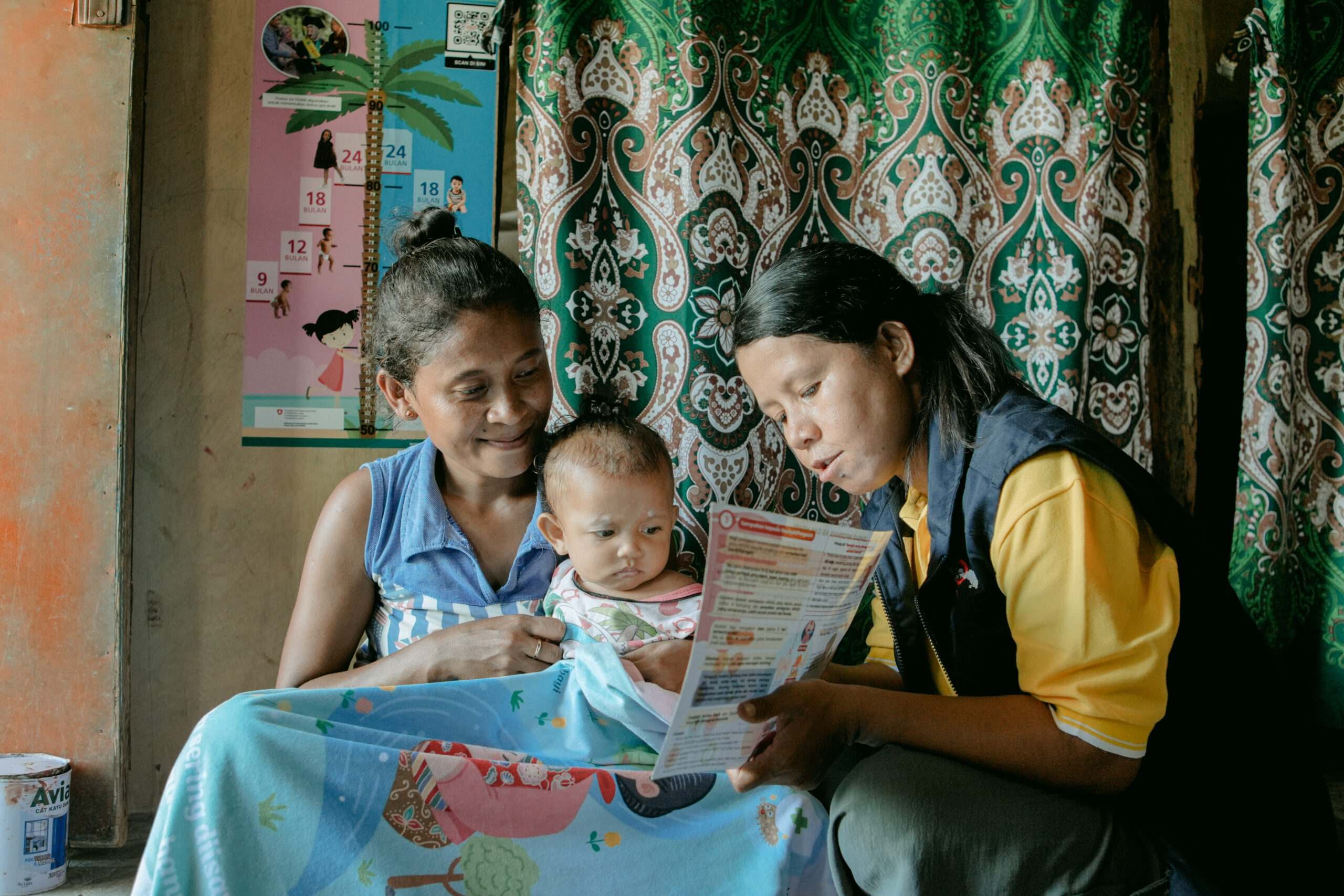
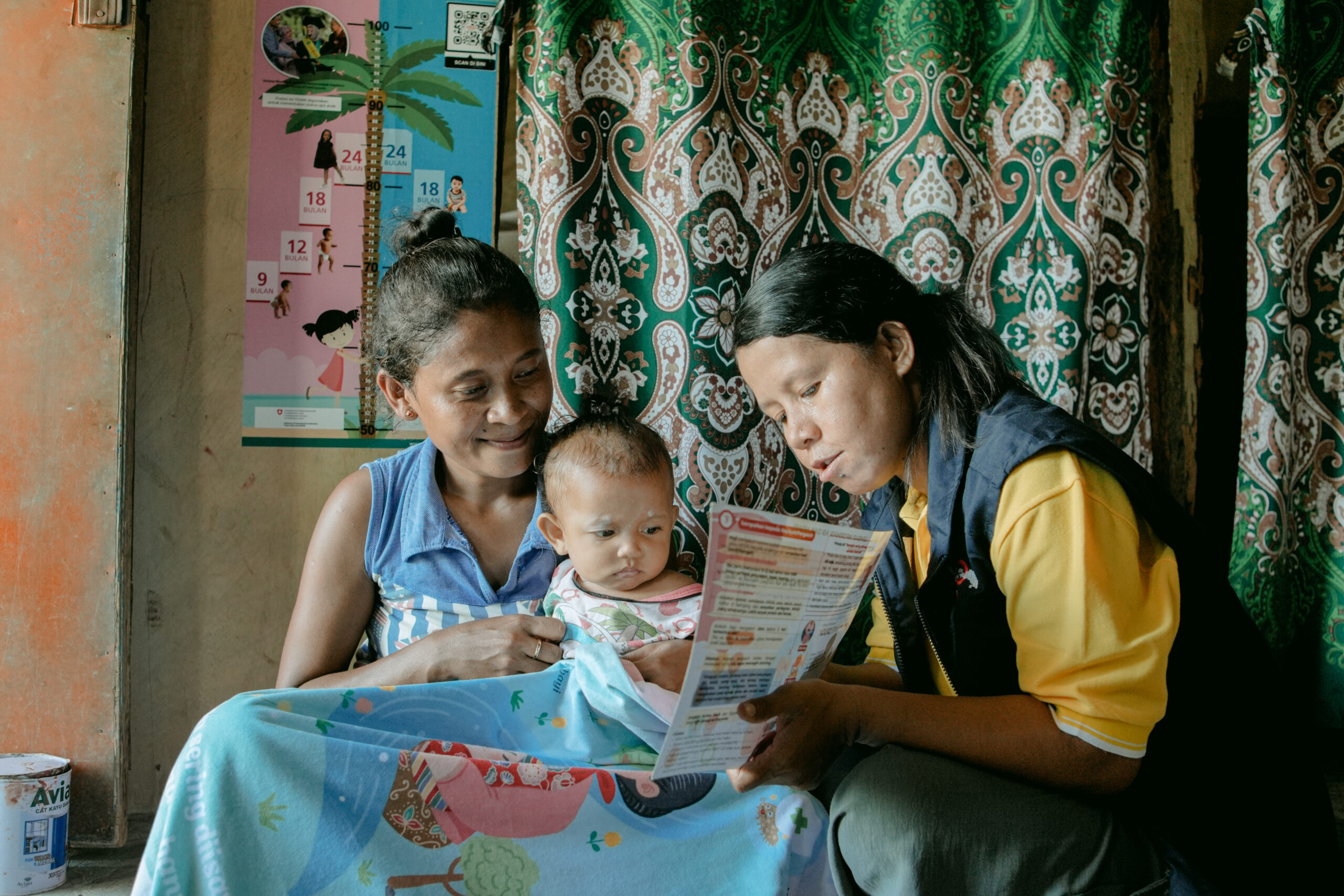
Community health workers are uniquely positioned to address these issues because they interact directly with families and understand the cultural and social conditions of their communities.
Supporting them, therefore, means strengthening the system itself.
From Individual Leadership to Institutional Commitment
Kuimasi’s commitment also went beyond budget decisions.
Since 2024, the village has worked with the 1000 Days Fund, gaining access to technical assistance, community health worker training, and evidence-based interventions.
The village also established a village regulation on stunting prevention. This is particularly important because it transforms a commitment that might otherwise depend on one individual leader into an institutional obligation.
The results are encouraging. According to the experience described in the original article, the prevalence of stunting among children under two in Kuimasi declined from 25.21% in September 2024 to 15.38% in September 2025.
More than 100 children received regular home visits. Improvements in children’s weight and length were accompanied by changes in household behavior, including a substantial increase in the consumption of animal-source protein, from 41% to 92% over the same period.
These results illustrate an important principle: sustainable progress does not necessarily begin with a massive budget.
It can begin with leadership, targeted interventions, capable frontline workers, and a willingness to make difficult choices.
Stunting Is a Choice, Not a Destiny
Rote Ndao and Kuimasi may appear small on Indonesia’s map. Yet their experiences raise a much bigger question.
If regions with limited fiscal resources can maintain their commitment to fighting stunting, why can’t regions with greater resources do the same?
The answer may not be a lack of capacity. It may be a question of priorities.
Budgets reveal what governments consider important. Regulations reveal whether commitments are intended to last. And support for community health workers demonstrates whether policymakers understand who is actually delivering services to families on the ground.
Stunting is not destiny. It is influenced by choices. Choices about where public money is allocated, which workers receive support, which interventions are sustained, and whether governments are willing to prioritize long-term outcomes over short-term visibility.
Rote Ndao and Kuimasi demonstrate that progress is possible even under difficult circumstances.
Community Health Workers Are the System
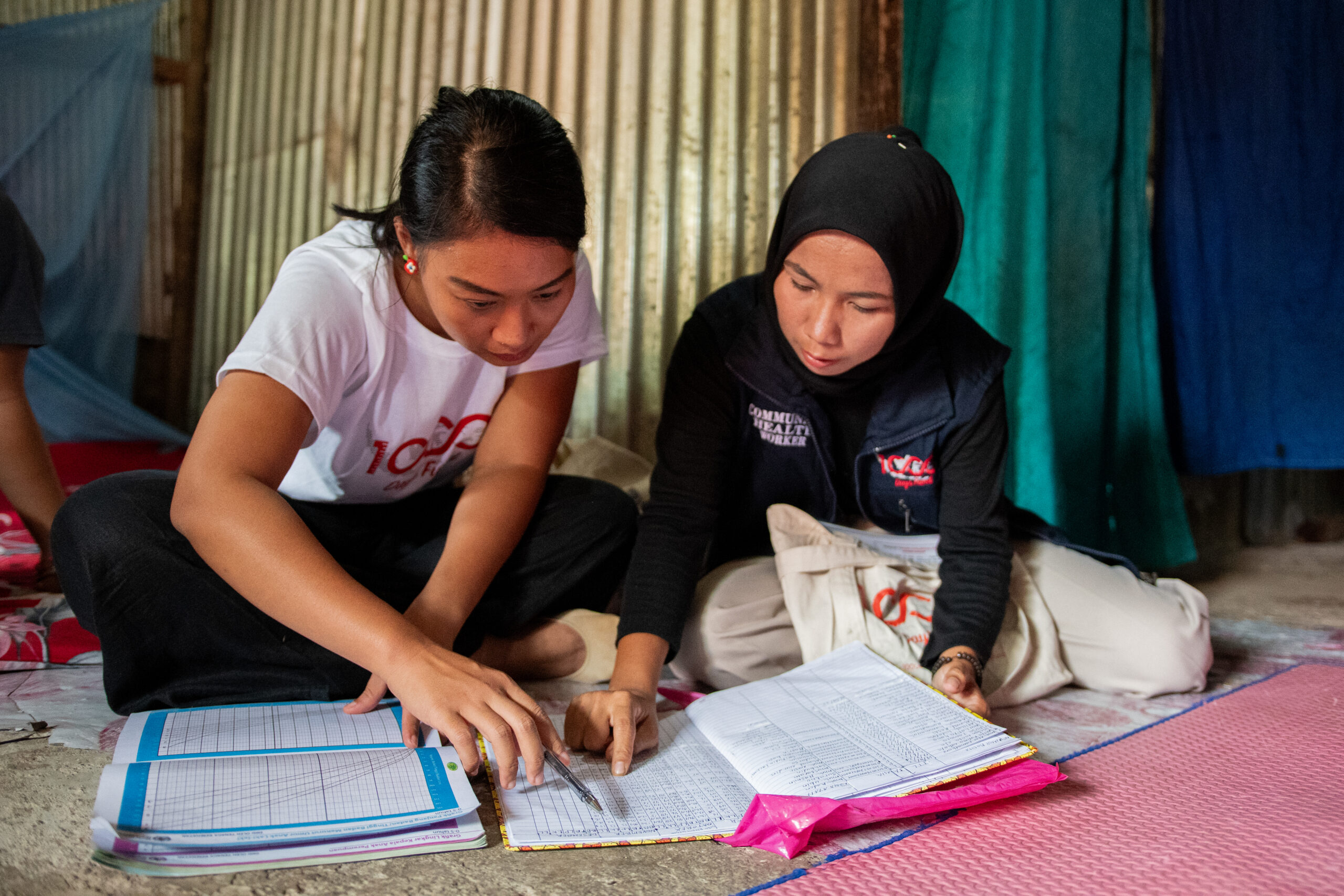
Community health workers are often treated as supporting actors within the healthcare system. In reality, they are one of its most important foundations.
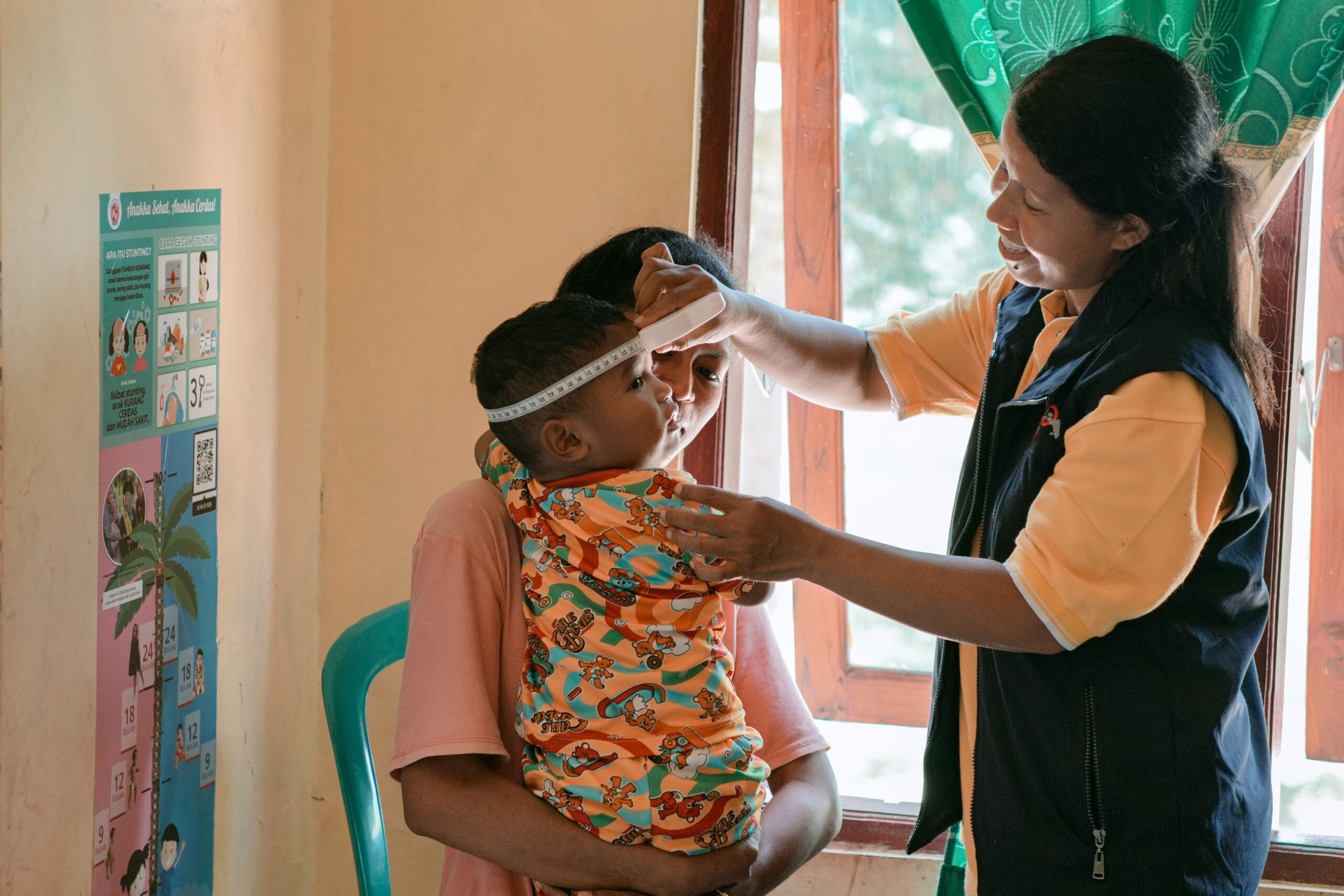
They visit pregnant women in their homes. They monitor children’s growth. They talk to parents about nutrition. They help families understand appropriate feeding practices. And they reach communities that may remain beyond the regular reach of formal healthcare facilities.
For years, many of these workers have performed these responsibilities with limited incentives, uncertain support, and insufficient recognition.
Strengthening community health workers should not be treated as a temporary project. It should become a permanent policy supported by clear regulations and reliable funding.
This is not necessarily the easiest political choice. But leadership is not always about choosing what is easiest.
Sometimes, leadership means prioritizing what is less visible over what attracts attention, investing in long-term outcomes instead of immediate results, and protecting the people whose work may rarely make headlines.
Indonesia’s future is, in many ways, being measured at community health posts across the country.
And the people holding that scale are often working quietly, one family at a time.
It is time for policymakers to recognize their value and give them the support they need to continue the fight against stunting.
About this article
This article was originally published by Katadata on May 23rd, 2026.
Read the original publication →
Muhammad Arief Virgy is a Communication Policy Consultant at 1000 Days Fund and a Researcher at the think tank The Habibie Center. He earned a Master of Development Studies degree with a specialisation in Public Policy and Management from the International Institute of Social Studies, Erasmus University Rotterdam. Virgy has six years of experience working in public policy and development across several institutions, including the Center for Indonesia’s Strategic Development Initiatives (CISDI), a nonprofit organisation focused on strengthening Indonesia’s health system.
RECENT POSTS
Saving the People Who Save Us: Close the Fiscal Gap in Indonesia’s Primary Healthcare
30/09/2026
When Words Aren’t the Way In: Disability-Inclusive Communication in Home Visits
27/08/2026