NEWS
Professionals on Demand, Volunteers on Payday: Indonesia Health Care from the Lense of Neglected Women’s Community Health Workers.
- Nov 04, 2026
-
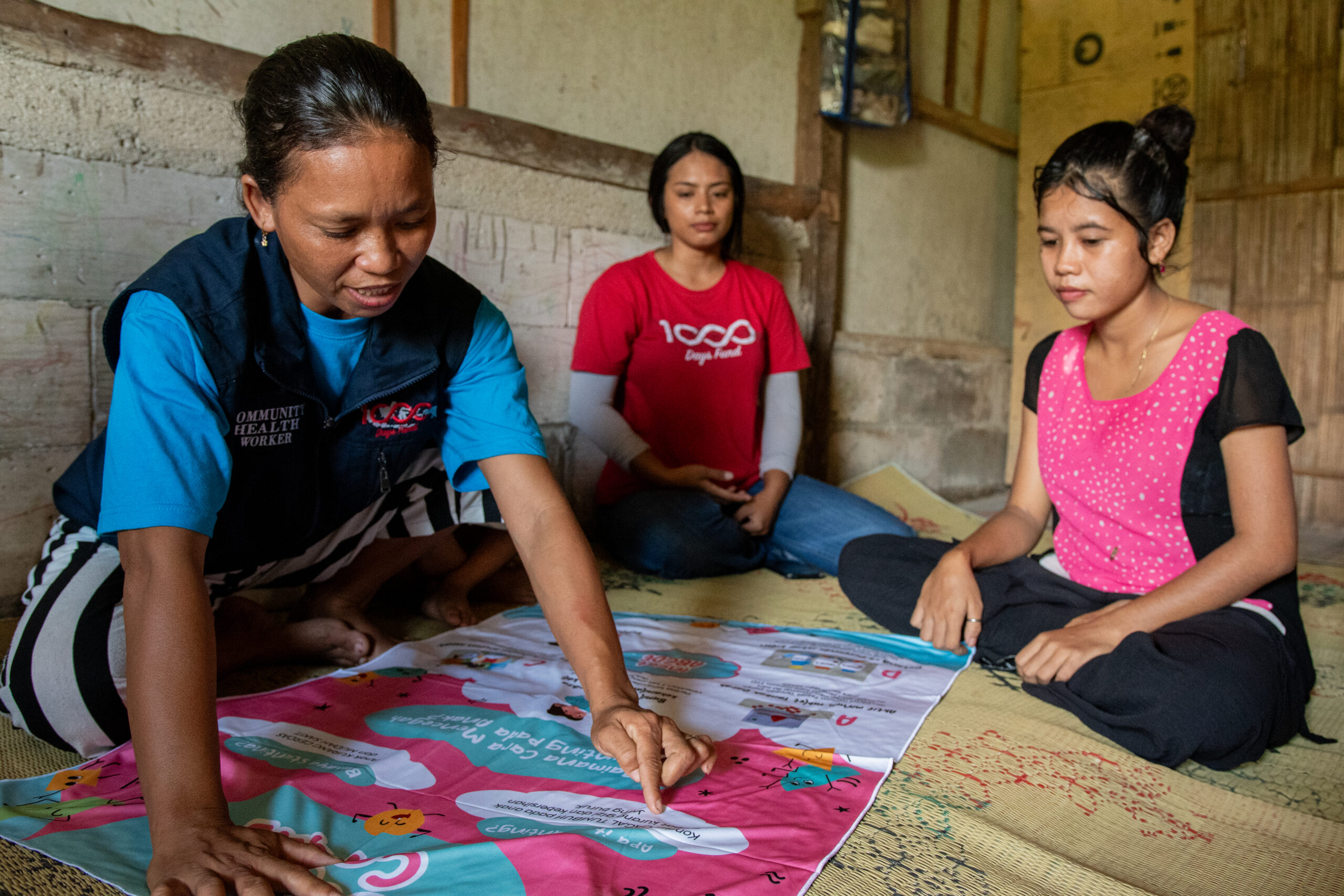
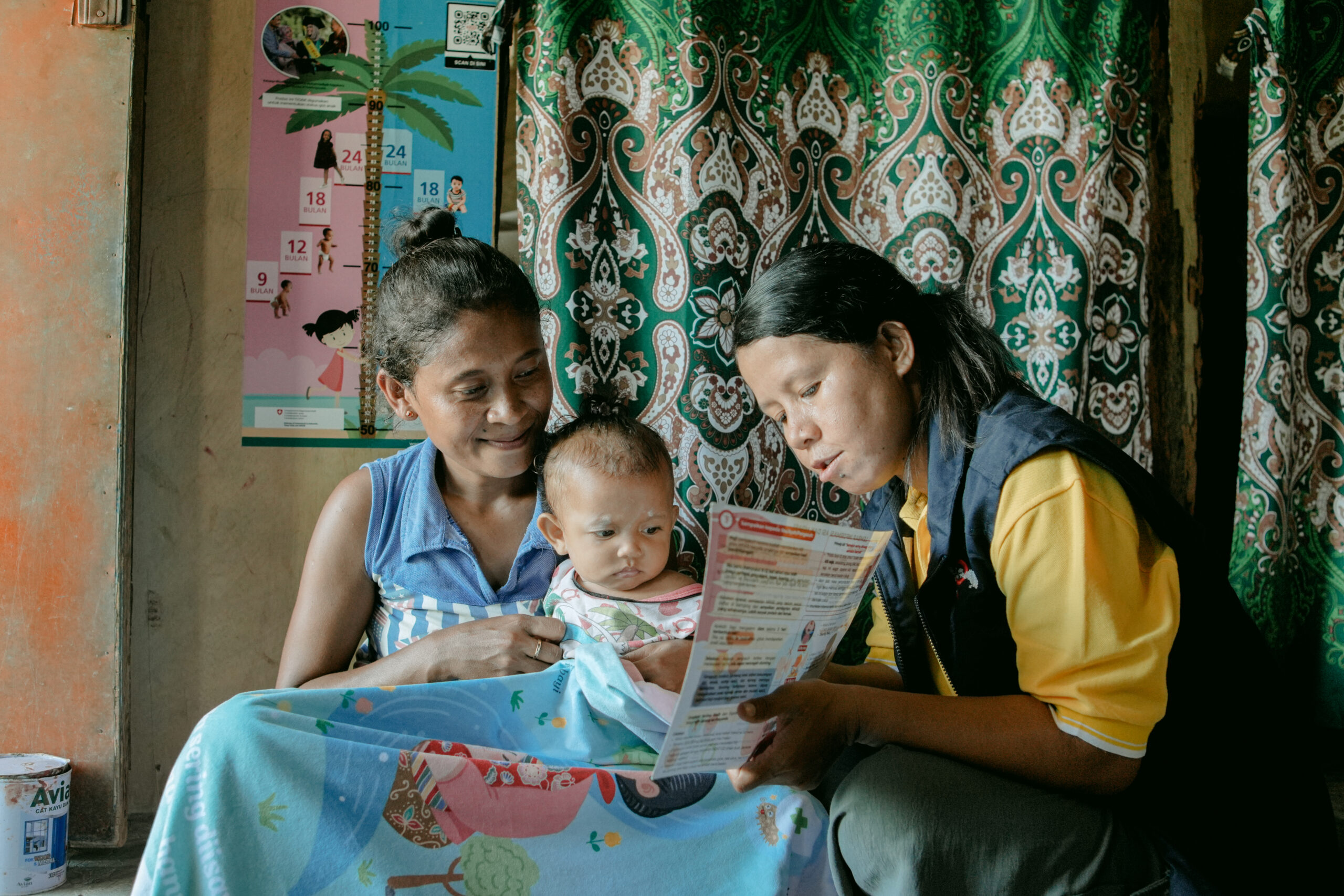
Our first article placed Indonesia’s Community Health Workers (CHW) inside the global story of unpaid and underpaid care work. That story holds, but it leaves something out. Keeping a mother and baby healthy takes more than devotion. It takes knowledge: reading a growth chart, recognizing missing community health post (Posyandu), arranging regular household visit
The government is aware of this significant role of CHWs. After decades of unstandardized work, The Ministry of Health (MoH) has set quite restricted professional standards for CHWs in addition to grading them based on those standards. The majority of CHWs can meet them, and TDF’s research furthermore signifies the fact that CHWs have filled what the formal health system misses. Nonetheless, the state still has to keep its side of the bargain: Professional on demand, yet volunteers on payday.
When the Government is Demanding for Unpaid/Underpaid Work.
The MoH demands CHWs for far more than goodwill. It demands a workforce. Under its Juknis UPKD/K framework by Ministry of Health, CHWs sit in the village health structure alongside doctors, midwives, and nurses, and they must meet entry requirements including: physical and mental fitness, literacy, digital competence, and prior experience. The MoH’s Posyandu curriculum lists 25 basic competencies that center five main skill areas: (1) Posyandu Management Skills; (2) Infant and Toddler Care Skills; (3) Maternal Care and Breastfeeding Skills; (4) School-Age and Adolescent Health Skills; (5) Productive-Age and Elderly Health Skills. Based on the skill competencies, it grades the CHWs across three levels: Purwa (basic), Madya (intermediate), and Utama (advanced).
By setting entry criteria, a defined skill set and graded levels, the ministry has drawn the outline of a profession rather than a volunteer program. But, ironically, it has left out the pay. The state extracts professional labor while hiding the guise of “volunteerism” with the underpaid incentives. In TDF’s study of 130 CHWs in North Lombok, the median monthly incentives came to USD 10.10, while the time they gave was worth about USD 46.54 at the regional minimum wage. The ladder from Purwa to Utama has rungs for higher skills but offers almost zero financial return.
CHWs Deliver Beyond the Brief
In April and May 2026, TDF and Colectiv asked 103 CHWs in Rote Ndao and Timor Tengah Selatan about how they decide which households to visit. Their answers describe skilled public-health professionals.
CHWs named five groups that routine records rarely captured by the system:
- Pregnant adolescents and unmarried women who conceal their pregnancies
- Families who repeatedly miss Posyandu
- Remote households
- Families who use private doctors without telling their local health workers
- Mother who quietly stop taking their micronutrient
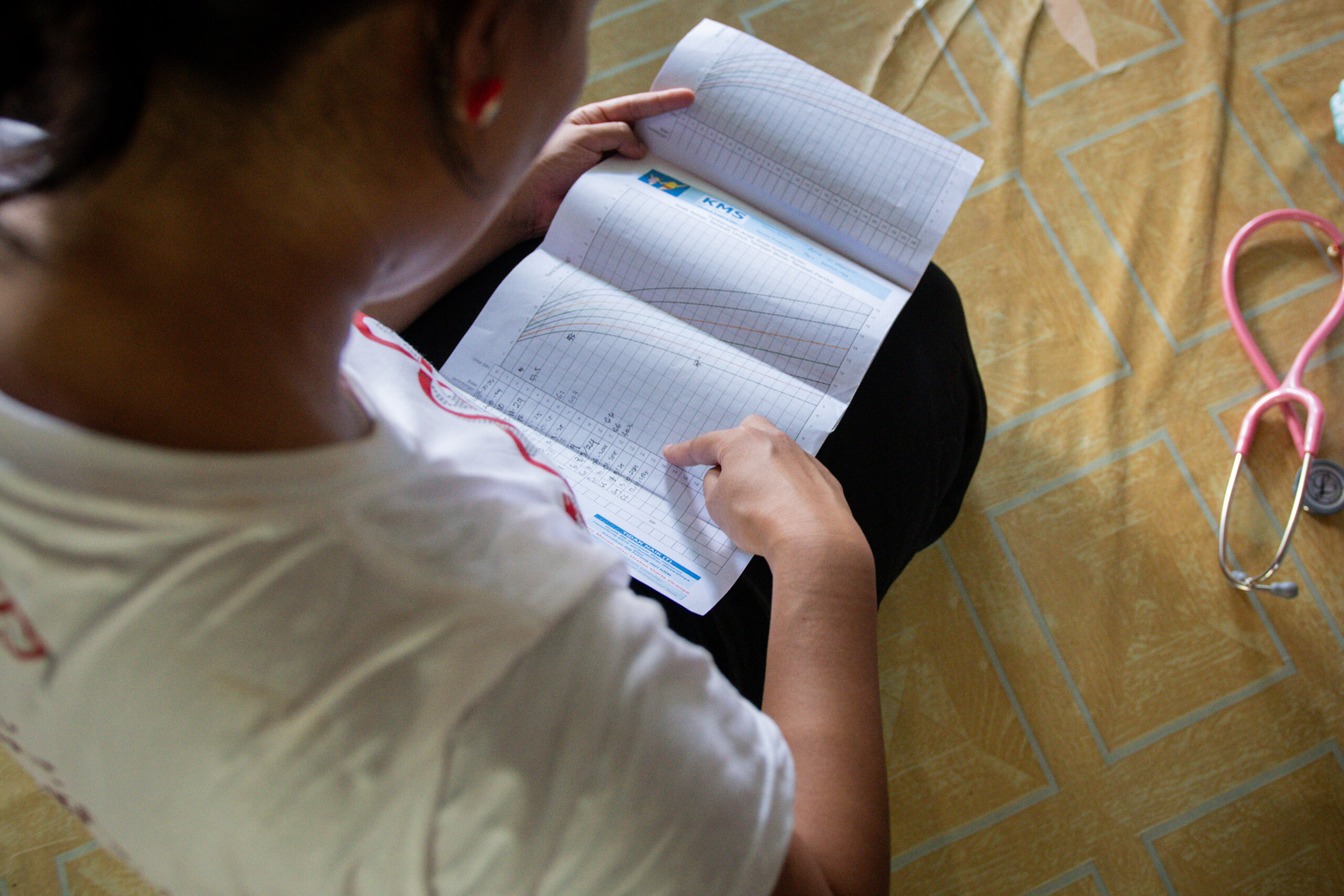
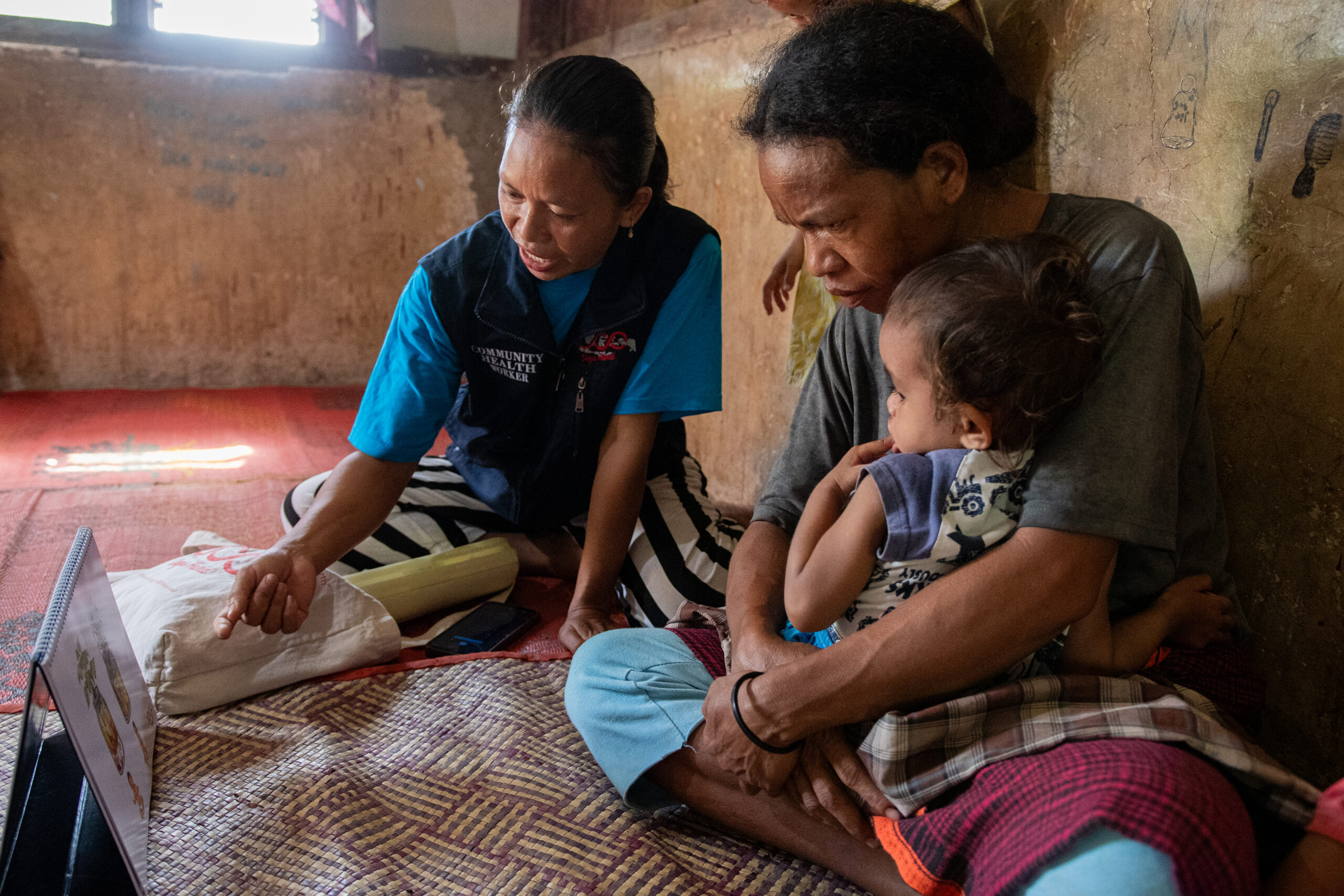
Each group is a family at risk that the formal system tends to miss. In a clinic, finding and prioritising them would be called case-finding and triage, and it would be someone’s paid job. In fact, in a village, it falls to CHWs, largely unrecognised and underpaid. Nonetheless, CHWs, through several approaches, resiliently respond and accommodate these household groups. They cross-check Posyandu registers, KMS cards and health facility records against what they hear in the community: a child who keeps missing monthly weighing, a neighbour mentioning that a pregnant woman seems unwell, or a change at home such as a husband leaving to work elsewhere. Because their time is limited, they also decide who needs them most. A mother whose child is gaining weight steadily can wait for the monthly Posyandu session. A mother whose child has stopped growing gets a visit at home that week.
Reaching those families constantly is one of the biggest challenges for CHWs, due to distance, terrain, and limited transportation. However, the CHWs are aware that neglecting these household groups will result in detrimental consequences: those groups will be dragged into the system far too late, cut off from life-saving prevention, and left them to face the higher risk of systemic abandonment.
This awareness, however, comes with financial consequences borne by CHWs themselves. The TDF study reveals that each CHW bleeds a median of USD 2.90 a month mostly for transport from their own pocket. A cost scraped directly from the insultingly meager incentives they receive in the first place.
Yet, this undocumented burden done professionally, is built despite state neglect rather than because of it. A national survey cited by TDF revealed that only 13% of CHWs had any training before starting their work, leaving NGOs like TDF to fill the massive gap left by the government. TDF’s 2023 commentary describes the training that does exist as minimal and mostly run by NGOs.
Not only do these CHWs master all 25 basic competencies required—mostly provided by NGOs, they also exceed expectations by going far beyond the brief to track down the highest-risk groups in stunting prevention. It is inevitably evident that CHWs are deeply professional, skilled, and knowledgeable. TDF’s research, furthermore, demonstrates that CHWs work directly drives real improvements in health family outcomes. Thus, there is no excuse left to deny them the fair, decent pay they have more than earned.
Women Caring for Women, on Unequal Terms
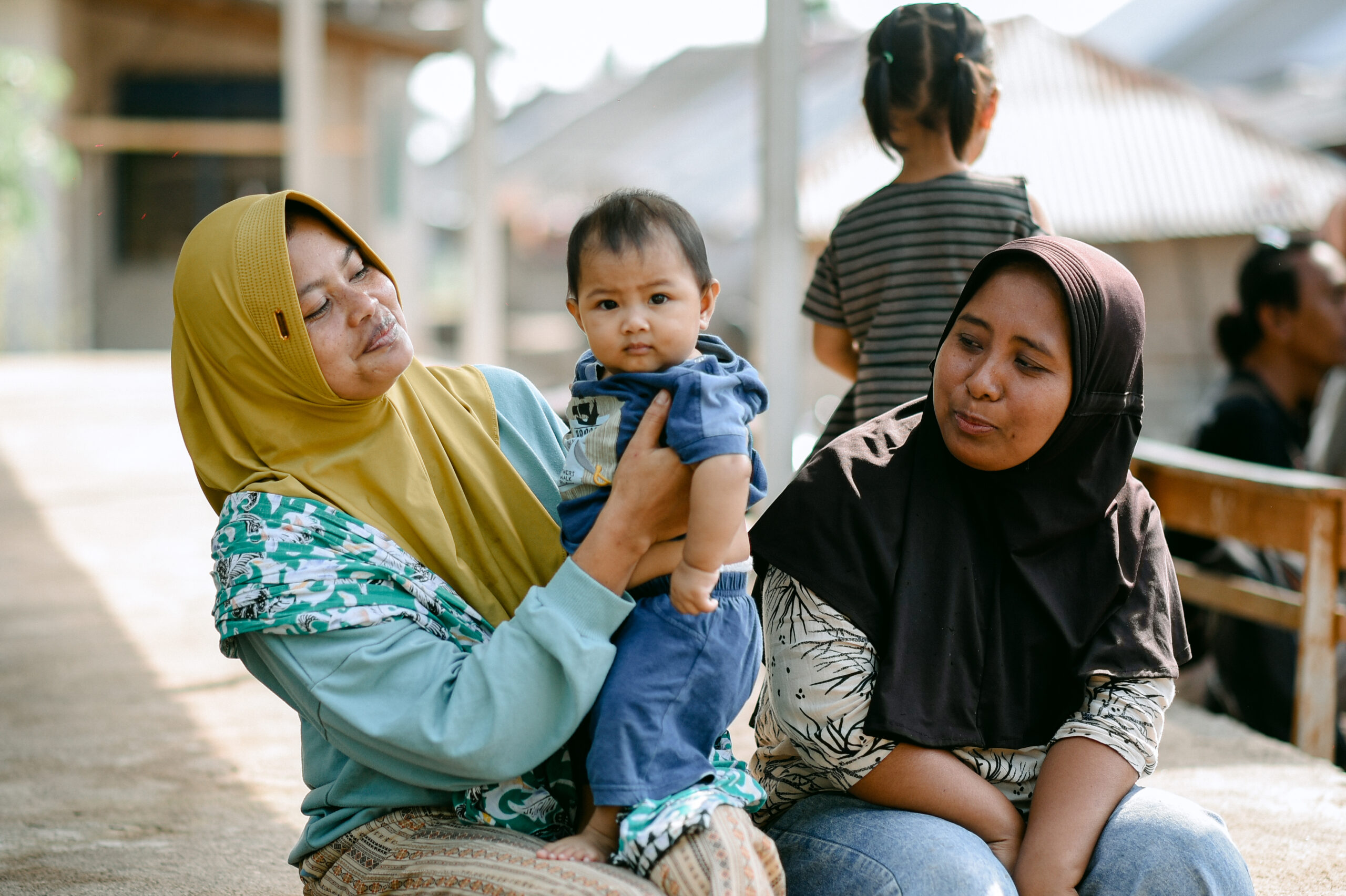
The CHW system relies on a gendered workforce where women make up 92% of them, with 55% depending on their meager incentives as a primary income. Day in and day out, they support other women: guiding them on nutrition, monitoring their children’s growth, and making home visits. Yet while programs measure the health outcomes of the mothers and children they serve, they routinely ignore the economic survival of the women doing the heavy lifting.
This arrangement has deep roots. Under Suharto’s New Order (1966–1998), Posyandu ran as one of the programmes of Pemberdayaan dan Kesejahteraan Keluarga (PKK, Family Welfare Empowerment), a state-backed movement in which every married woman was counted as a member. The scholar Madelon Djajadiningrat-Nieuwenhuis called the underlying ideology “ibuism”: the belief that a good mother serves her family, her class and her nation, and expects nothing in return. Writer Julia Suryakusuma took this further with “State Ibuism,” showing how the state turned that ideal of self-sacrifice into a supply of unpaid welfare workers, drawn mostly from lower-class women. The “volunteer” label CHWs carry today comes from this history. The language of Gotong Royong, or mutual help, gives it a communal face, but it is women who absorb the cost.
With all arguments established before, the state still fails to recognise the necessity of providing decent wage for CHWs and instead wrap it through ‘tokenism’ by formalising it in the form of incentive mechanism. The incentive only ranges around US 10.10 per month for astronomically long hour work—sometimes more than 26 hours, where at the regional minimum wage, that time is worth about USD 46.54.
A stunting programme exists to protect women and children. When it runs on the unpaid work of other women, it protects some women at the expense of others.
Professional Standards Demand Professional Terms
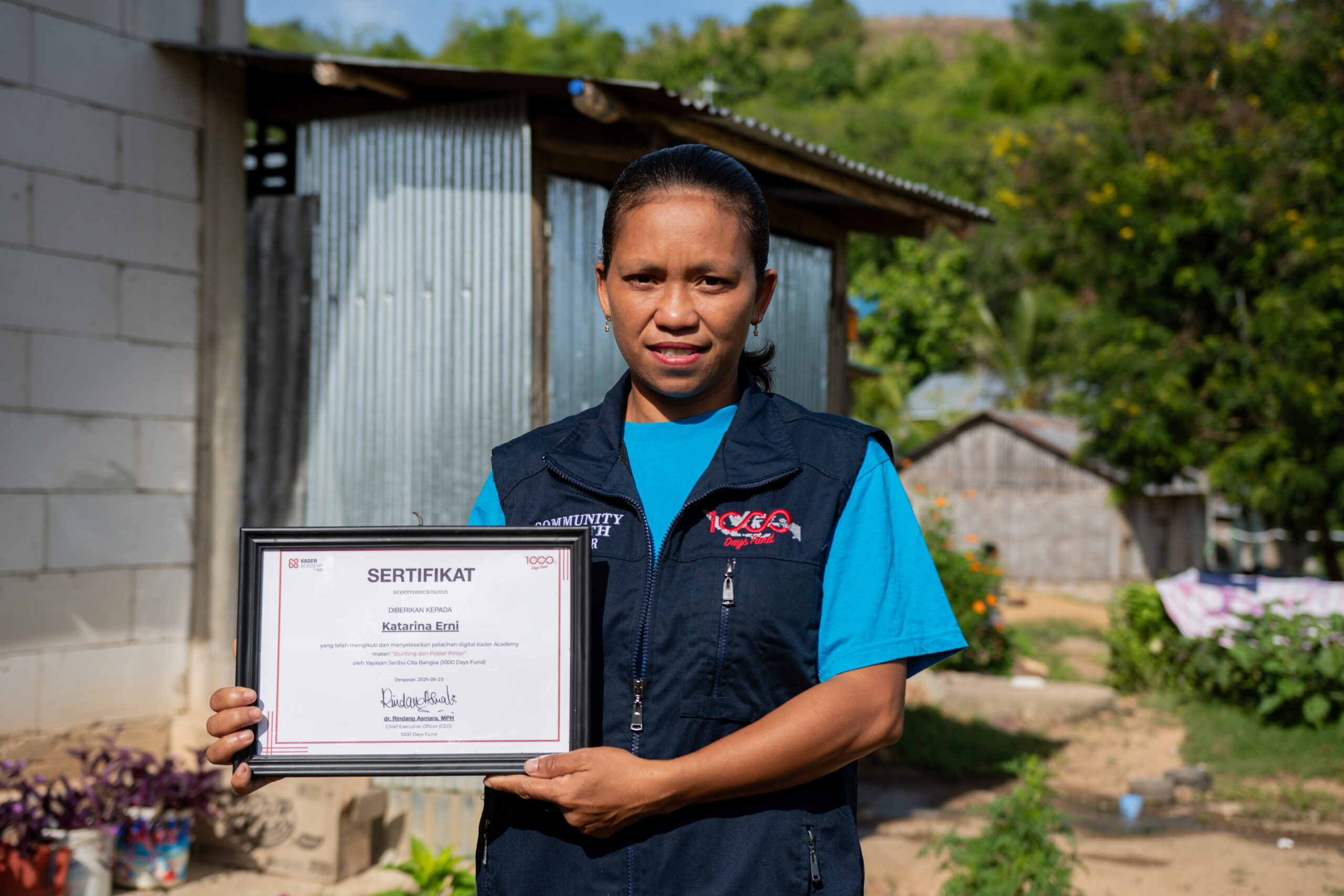
The state has set professional standards, and trained CHWs meet their core. After training, most kader in Rote Ndao showed growth-monitoring competency, and in Lombok, CHWs and mothers reported better measurement and counselling at Posyandu. CWHs also carries work the standards barely describe that finding the families the system misses. What remains open is what the state owes in return: (1) Payment, professional work provided by CHWs is entitled for decent salary adjusted based on competency level (purwa, madya, and utama); (2) Public training, the demand for qualifications is non-negotiable, yet training and supervision have been scarce to almost none; (3) Status change, considering professional qualifications set for CHWs, it is arbitrary to hold a status on merely volunteer. An incentive is a thank you to a volunteer; wage pays a professional worker. CHWs are volunteers on payday, yet are professional workers in demand: a change is a must.
RECENT POSTS
Indonesia’s CHWs in the Care Work Trap: Workers’ Contribution, Volunteers’ Pay
30/10/2026