NEWS
Saving the People Who Save Us: Close the Fiscal Gap in Indonesia’s Primary Healthcare
- Sep 30, 2026
-
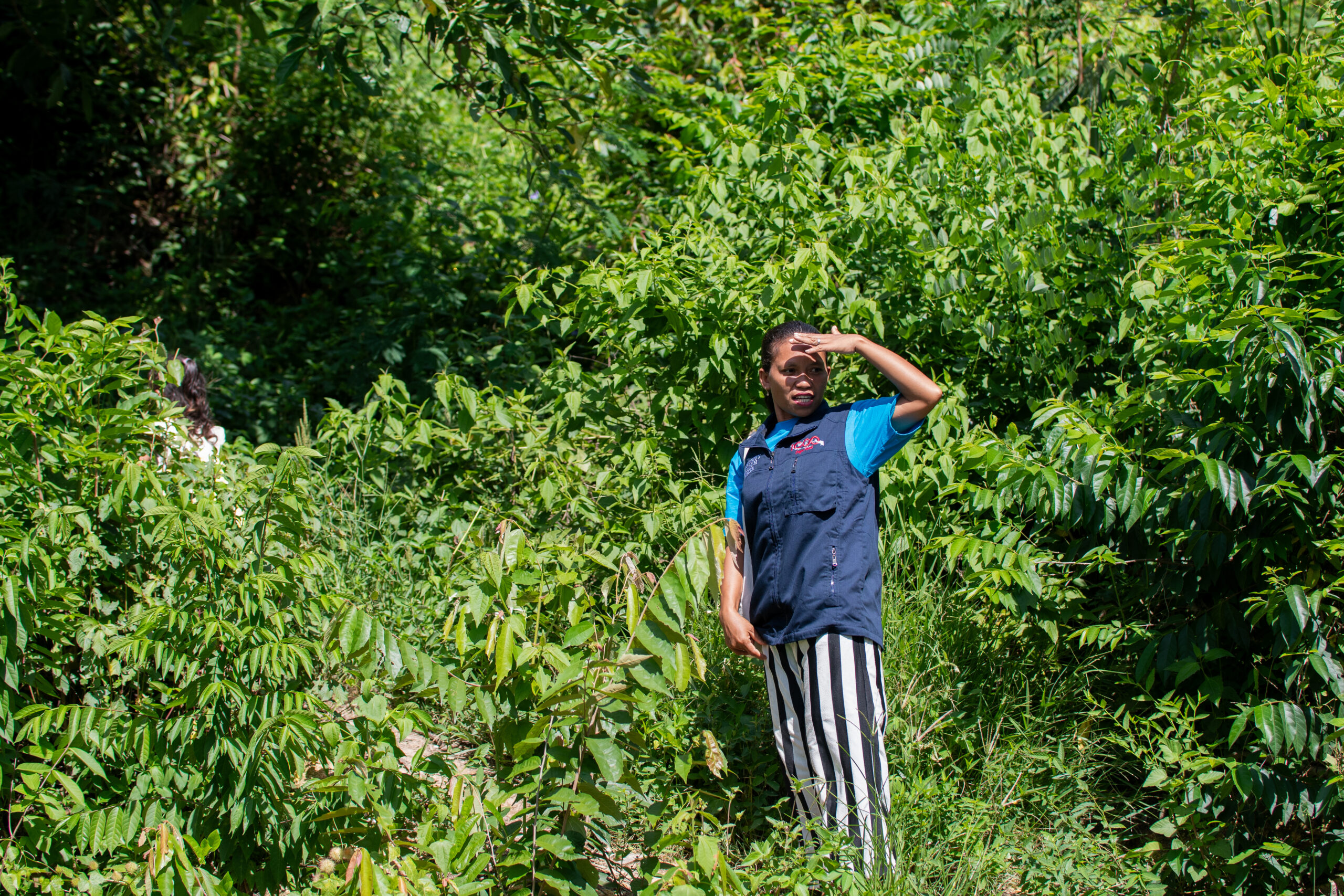
Strengthening primary healthcare means investing not only in services and infrastructure, but also in the people who make care possible.
Originally published in SEA Daily on July 20th, 2026
Indonesia’s primary healthcare system depends on people working closest to communities: community health workers, midwives, nutrition officers, and other frontline workers who help families access essential health services.
Yet the people who keep primary healthcare moving are often supported by financing systems that do not fully reflect the work they do.
For Indonesia to strengthen primary healthcare, closing the financing gap cannot be separated from strengthening the workforce that delivers care every day.
The people behind primary healthcare
Primary healthcare is often discussed in terms of facilities, medicines, equipment, and coverage. But none of these can reach families without people to deliver them.
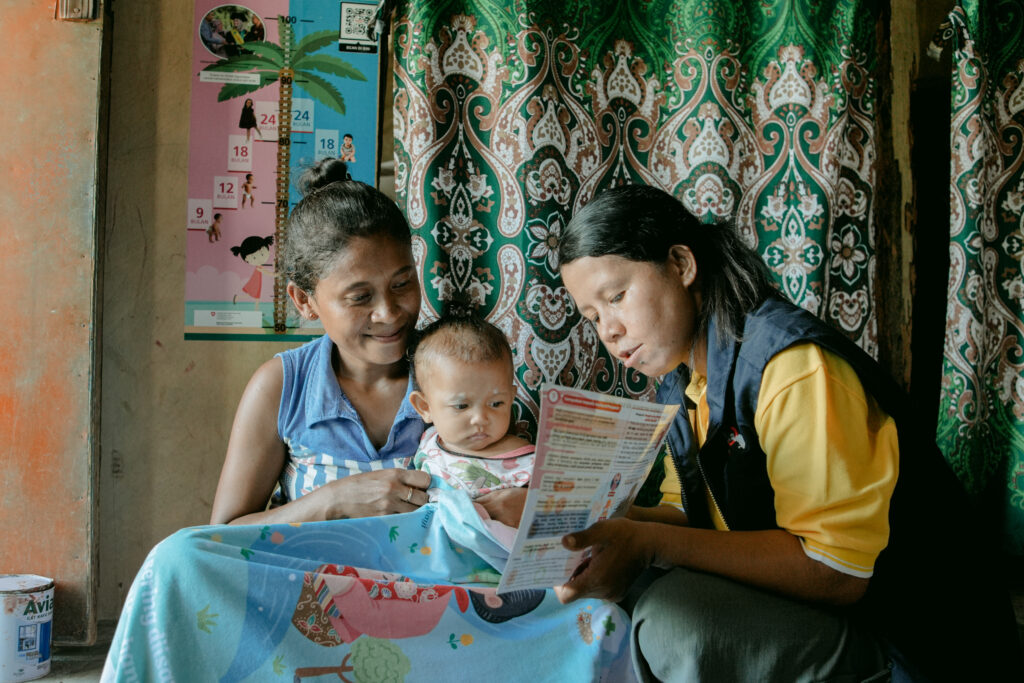
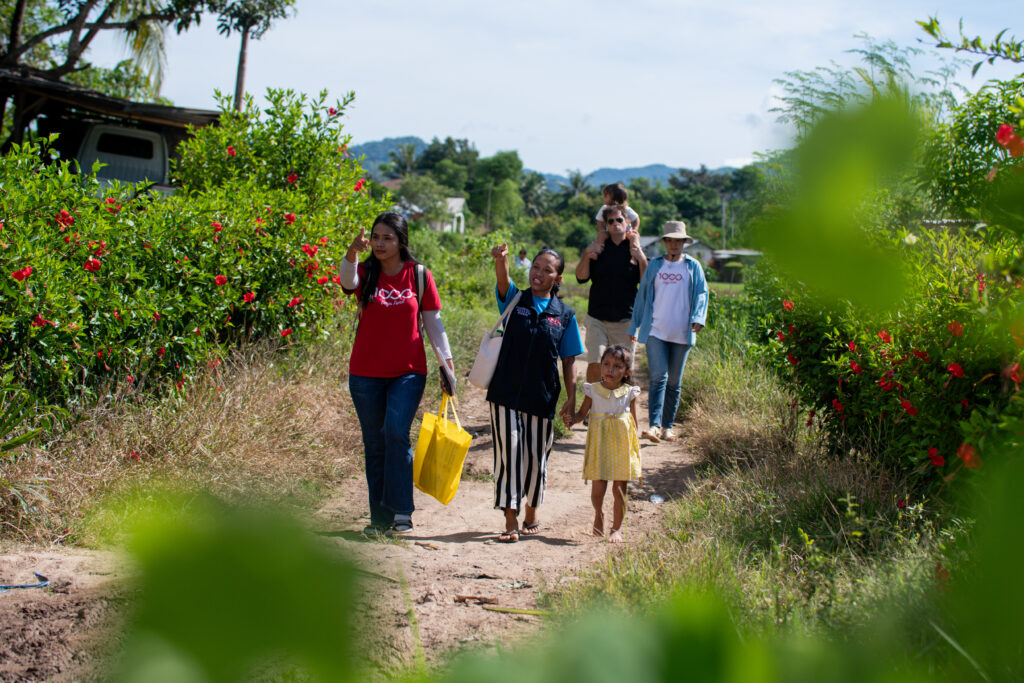
Community health workers are particularly important in reaching households with preventive and promotive health services. They conduct home visits, support Posyandu activities, follow up with families, identify risks, and connect communities with health facilities and government services.
Their work is often carried out far from health facilities and outside the formal structures that receive the greatest attention and resources.
This creates a fundamental question: if primary healthcare is the foundation of the health system, are we financing the people who sustain that foundation?
A structural financing challenge
Indonesia has made significant commitments to strengthening primary healthcare, including through efforts to improve promotive and preventive services and strengthen community-level delivery.
But decentralisation means that much of the responsibility for delivering these services sits with local governments, while fiscal capacity varies considerably across regions.
The result is an uneven landscape.
Some communities have relatively strong systems for supporting frontline workers. Others face shortages of health personnel, limited operational resources, and competing priorities for local government budgets.
These differences matter because the effectiveness of primary healthcare depends not only on whether a service exists on paper, but on whether someone is available and supported to deliver it.
When frontline workers lack the time, resources, supervision, training, or incentives they need, the consequences are felt at household level.
A missed home visit can mean a missed opportunity to identify a pregnancy risk.
An under-supported kader may have less capacity to follow up with a child whose growth is faltering.
A health worker without sufficient support may struggle to maintain consistent community engagement.
These are small gaps individually. At scale, they can become a systems problem.
Investing in the people who make prevention possible
Preventive healthcare does not always produce immediately visible results.
A vaccination that prevents illness, a counselling session that changes a mother’s feeding practice, or an early referral that prevents a complication may never appear as a dramatic intervention.
But these actions are precisely what make primary healthcare valuable.
Community health workers and other frontline personnel are often the people who make these actions possible. They are the bridge between health facilities and households, particularly in communities where distance, information, or social barriers make accessing formal services more difficult.
Recognising this role requires more than appreciation. It requires financing structures that allow them to perform their roles effectively.
This means considering the full cost of delivering primary healthcare at community level: training, supervision, transportation, data systems, coordination, incentives, and the time required to reach households.
Closing the fiscal gap
Closing the fiscal gap in primary healthcare is therefore not simply about putting more money into the health sector.
It is about asking where resources are going, who is responsible for delivering services, and whether financing follows those responsibilities.
Local governments need sufficient and predictable resources to sustain community-level services. At the same time, national policy needs to recognise the realities faced by districts and villages with very different levels of fiscal and institutional capacity.
A stronger financing framework can help ensure that investments in primary healthcare translate into consistent services at the point where families actually experience the health system.
This is particularly important for preventive health, where the return on investment may take years to become visible.
From financing inputs to financing outcomes
The goal should not be to finance activities simply because they are listed in a programme or budget.
The question should be whether those resources enable frontline workers to consistently deliver the activities that improve health outcomes.
That requires better connections between financing, workforce capacity, service delivery, and measurement.
For example, local governments should be able to understand not only how much is being spent on community health activities, but also whether those resources are enabling health workers and kader to reach families, follow up on identified risks, and maintain continuity of care.
Better data can help make these connections visible.
So can stronger coordination between communities, health facilities, and local government.
What this means for primary healthcare
Strengthening Indonesia’s primary healthcare system will require attention to the people behind the system.
Three priorities stand out:
- Recognise community-level health workers as part of the primary healthcare workforce.
Their contribution to prevention, health promotion, household outreach, and community mobilisation should be reflected in how programmes are designed and financed. - Align financing with the realities of service delivery.
Budgets need to account for the operational costs of reaching communities, including supervision, transportation, training, coordination, and data. - Connect investment to measurable outcomes.
Financing should ultimately be assessed by whether it enables consistent, quality services to reach the people who need them.
Primary healthcare does not begin at the health centre.
It begins with the people who know the community, visit households, organise Posyandu, identify risks, and connect families to care.
If Indonesia wants to build a stronger primary healthcare system, it also needs to build a financing system that allows these people to do their work well.
Because saving the health system starts with supporting the people who sustain it.
About this article
This article was originally published by SEA Daily on July 20, 2026.
Read the original publication →
Muhammad Arief Virgy is a Communication Policy Consultant at 1000 Days Fund and a Researcher at the think tank The Habibie Center. He earned a Master of Development Studies degree with a specialisation in Public Policy and Management from the International Institute of Social Studies, Erasmus University Rotterdam. Virgy has six years of experience working in public policy and development across several institutions, including the Center for Indonesia’s Strategic Development Initiatives (CISDI), a nonprofit organisation focused on strengthening Indonesia’s health system.
Lidya Sophiani is the Implementation Director at 1000 Days Fund, where she leads programs that strengthen local systems to reduce stunting and improve maternal and child health across rural Indonesia. Her work focuses on transforming ground-level initiatives into policy-backed, sustainable impact through strong government partnerships and community empowerment.
RECENT POSTS
When Words Aren’t the Way In: Disability-Inclusive Communication in Home Visits
27/08/2026
No trust, no scale: What we learned about the impact of Community Health Workers from our independent mixed‑methods evaluation
02/04/2026