NEWS
One Coordinator, Five Villages: What Makes Field Support Work
- Sep 03, 2026
-
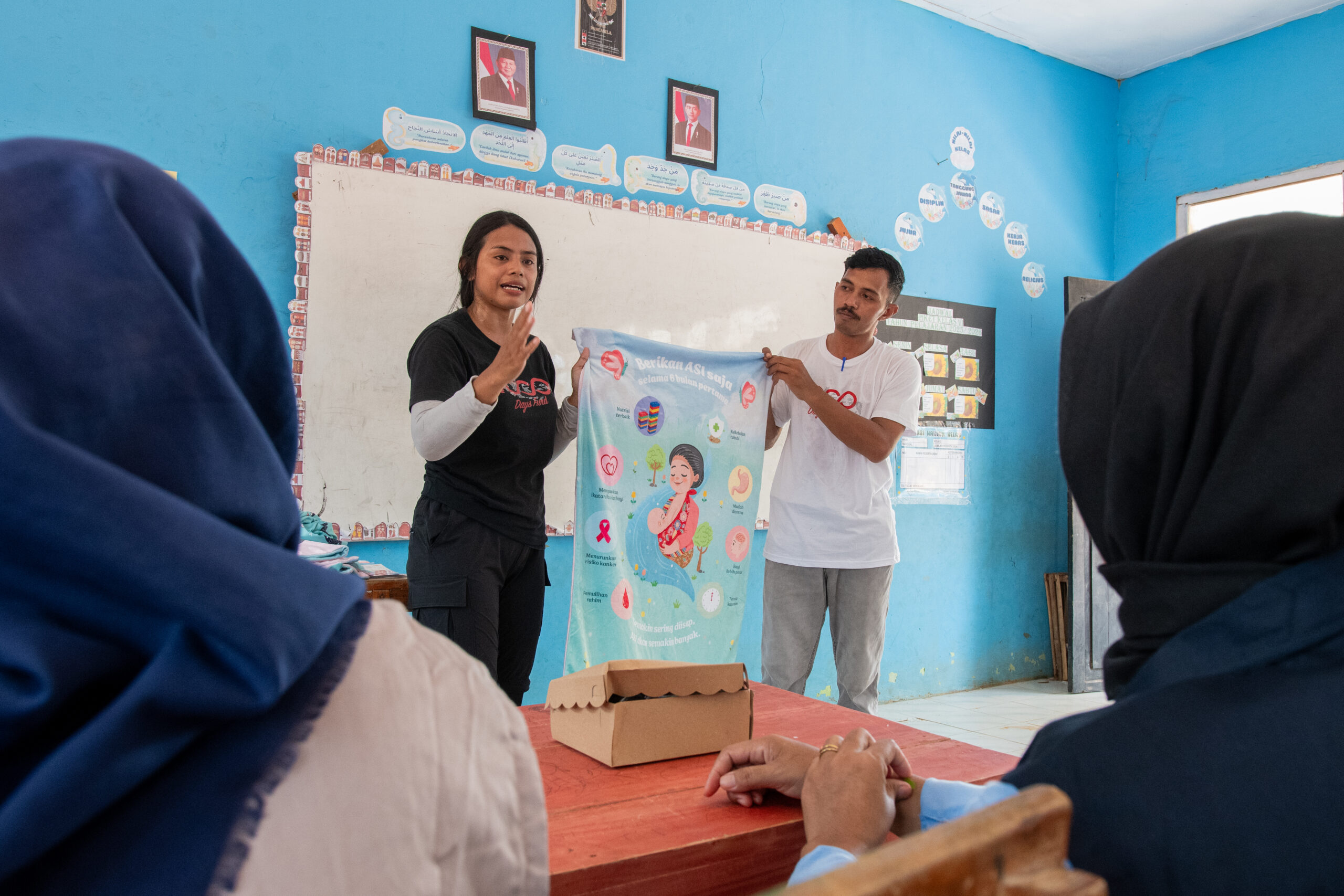
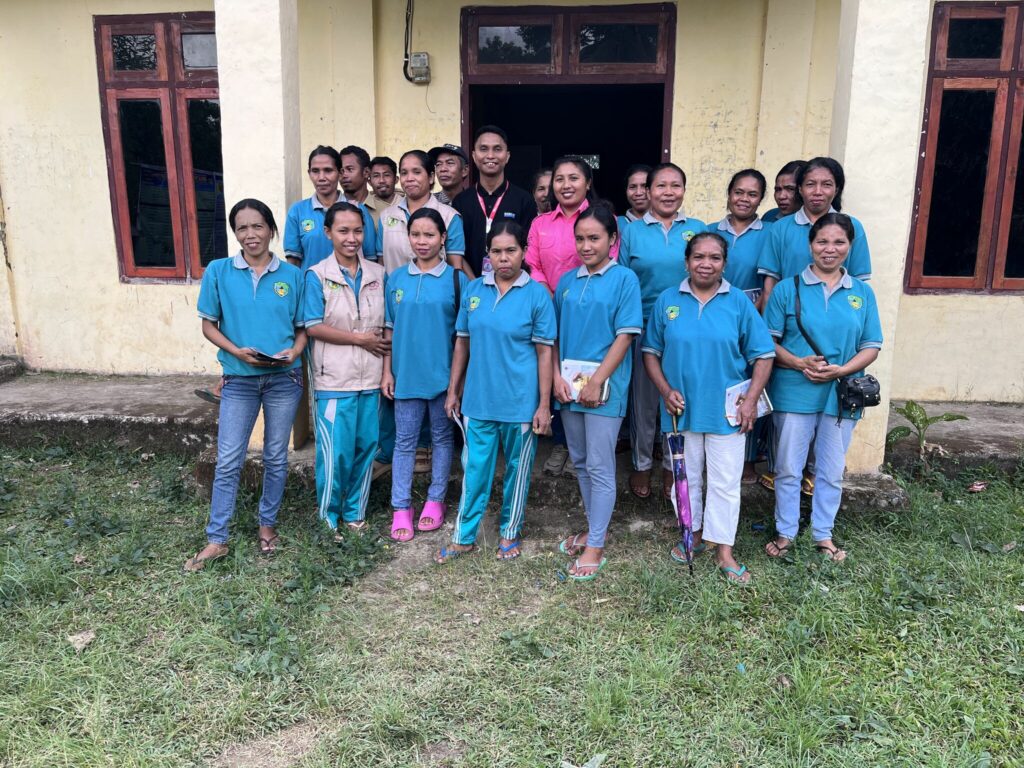
When a cross-sector village forum starts running on its own, it’s easy to focus on what’s visible: kader (community health cadres) leading meetings with growing confidence, village heads showing up to give direction, home visit records that keep getting cleaner. What rarely makes it into the story is who works behind that, and how much ground they actually cover.
In one district supported by a village-level cross-sector strengthening program (Satgas), 20 villages are supported by 4 Field Program Coordinators (FPCs) and 1 MER Officer. On paper, that’s one FPC per five villages. But in the field, a village isn’t a single data point. It’s a cluster of people in different roles — kader, midwives, nutrition officers, sometimes village staff — all needing monthly monitoring across six activity indicators at once, from Posyandu supervision to home-visit follow-up.
In Rote Ndao alone, the population being monitored reaches 60 people across roles for 20 villages, not counting village staff, whose numbers vary. That means one FPC covering five villages is realistically managing hundreds of individual data points every month, not just tracking who showed up and who didn’t.
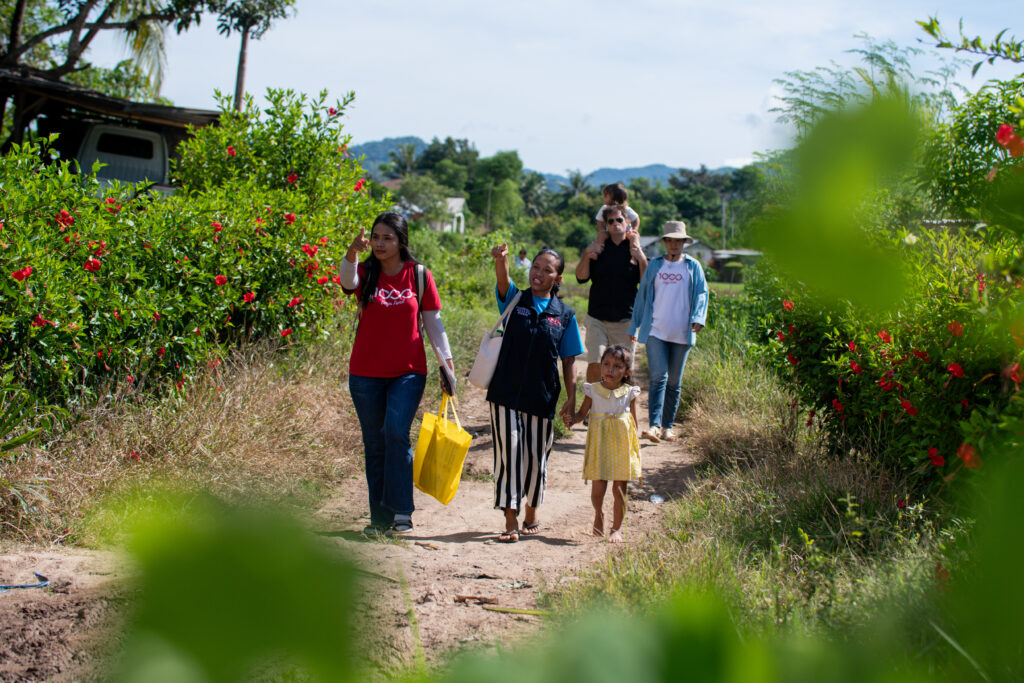
Three things FPCs do that don’t show up in attendance numbers
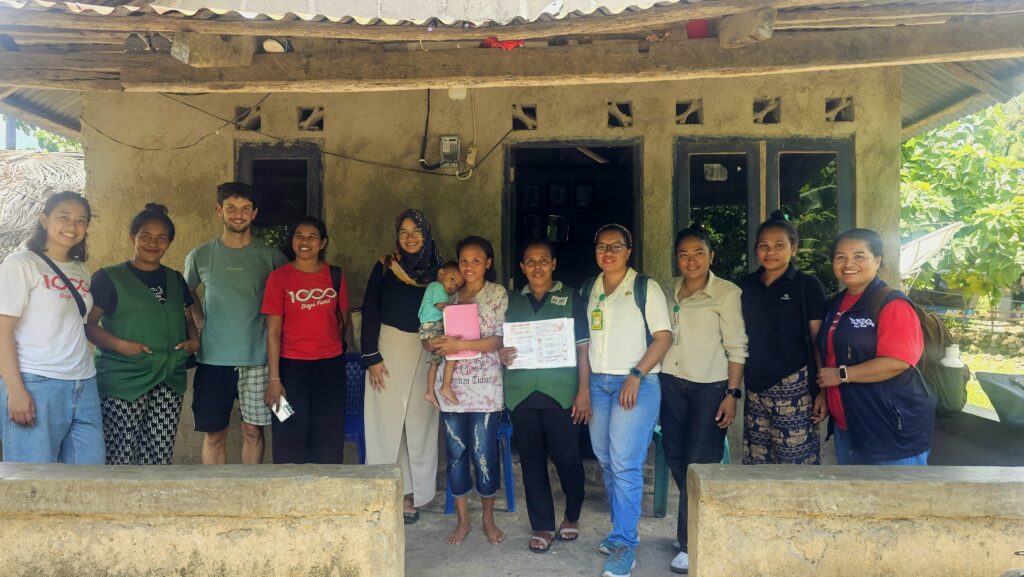
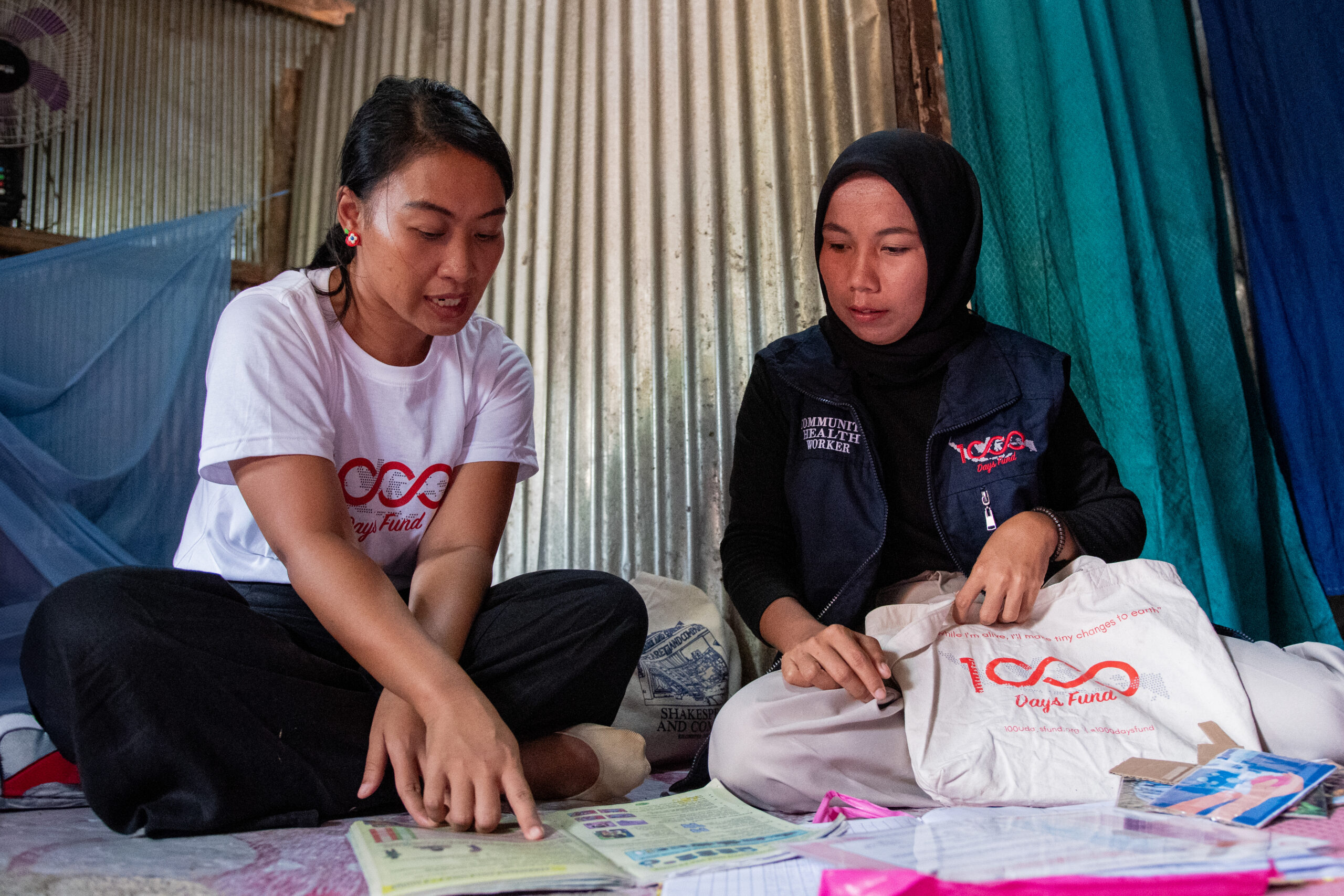
Opening the door to village government. One health worker interviewed explained, in simple terms, how the monthly forum actually happens: after home visits are done, results get reported in the Satgas group chat, and it’s the FPC who schedules the forum and bridges it to the village — “1000 harilah yang menjembatani kami ke pihak desa untuk melakukan forum Satgas… sehingga tim desa itu datang untuk menghadiri” (“It’s the 1000 Days team that bridges us to the village side to hold the Satgas forum… so the village team actually comes to attend”). It isn’t the kader or the midwife who invites village staff. The FPC does, in every village, every month.
Keeping the meaning of “active” consistent. One of the most convincing findings in this assessment is how closely two very different measurement methods align: a quantitative score built on six indicators, and the FPC’s own qualitative observation in the field. In Rote Ndao and Manggarai Barat, the two methods produced nearly identical pictures. That’s not a small thing. It means an FPC’s judgment about who is genuinely active versus who just shows up without contributing isn’t a one-sided opinion — it’s an accurate reflection of what’s actually happening on the ground.
Training themselves to slowly become unnecessary. In Manggarai Barat, kader in 13 villages have grown confident enough to lead training sessions for other kader, with midwives stepping back into a supervisory role rather than teaching directly. This came out of a rolling-leadership system FPCs deliberately built: early on, the FPC opens the forum; over time, that role gets handed over for kader to run themselves.
This pattern has a more concrete face in the story of one FPC who is now a District Manager at TDF. What set her apart wasn’t how much she spoke up in coordination meetings, but how she built trust with kader through a consistent process: a first meeting that stayed personal rather than operational; positioning kader as the people who understood their own communities best, even when she already knew the data; acknowledging effort first whenever something went wrong, then working through it together. At a certain point, she would tell a kader she’d been mentoring, “You don’t really need my help anymore” — not as a withdrawal, but as recognition that the mentoring had done its job. This kind of independence doesn’t happen on its own. It’s designed, and it takes someone actively steering it until it can genuinely stand alone.
Where the workload starts to show
The strain this creates isn’t just a guess. In Lombok Utara, July attendance data for health workers was still recorded as incomplete, with an explicit note that it needed to be filled in by the relevant FPC. In Rote Ndao, one nutrition officer in Keoen village went inactive after their first visit, and the replacement process didn’t move as fast as needed because the person was hard to reach. Both examples are small, but they point to the same pattern: when one FPC has to split attention across five villages with different populations and dynamics, small gaps can appear in between.
The wide range in village staff attendance — from 0 to 100 percent across villages — tells a similar story. Every village has its own reasons for staff showing up or not: office schedules, forums held far from the village office, or simply the absence of a formal decree binding their participation. Addressing each of these individually, rather than with a one-size-fits-all approach, is work that takes real time from every FPC.
The role that ties it all together
Behind four FPCs spread across 20 villages sits one MER Officer, consolidating all of that data into one coherent district-level picture. The alignment between quantitative and qualitative data mentioned earlier isn’t a coincidence. It’s the result of a methodology kept consistent across FPCs, so that an assessment in one village can be fairly compared to one in another, even when carried out by different coordinators.
This kind of support structure shows up consistently across other TDF working areas too. In East Central Timor and Kabupaten Kupang, a similar framework is applied through the 5S approach — making sure kader are trained, equipped, incentivized by the village, supervised by health workers, and formally appointed with long-term tenure by the village head — before the program fully steps back its support in any given area.
What this suggests
This early assessment points to something simple but important: a forum that now looks like it’s running on its own — with kader training other kader, and data that holds up across two different measurement methods — is the result of carefully designed support, not something that happened by chance. The personnel structure behind it, four field coordinators and one monitoring officer for 20 villages, is part of the reason these results are visible at all, and part of why the small gaps that are starting to appear in a few places deserve attention before they widen.
RECENT POSTS
When Words Aren’t the Way In: Disability-Inclusive Communication in Home Visits
27/08/2026
No trust, no scale: What we learned about the impact of Community Health Workers from our independent mixed‑methods evaluation
02/04/2026