NEWS
Trillions for Free Meals but Pennies for Indonesia’s Frontline Health Workers
- Oct 15, 2026
-
Some posyandu community health workers receive incentives of just IDR 200,000 per month, others receive IDR 66,000, and some receive no payment at all. These figures stand in stark contrast to the enormous budget allocated to the Free Nutritious Meals (MBG) program. Yet both initiatives aim to reduce stunting.
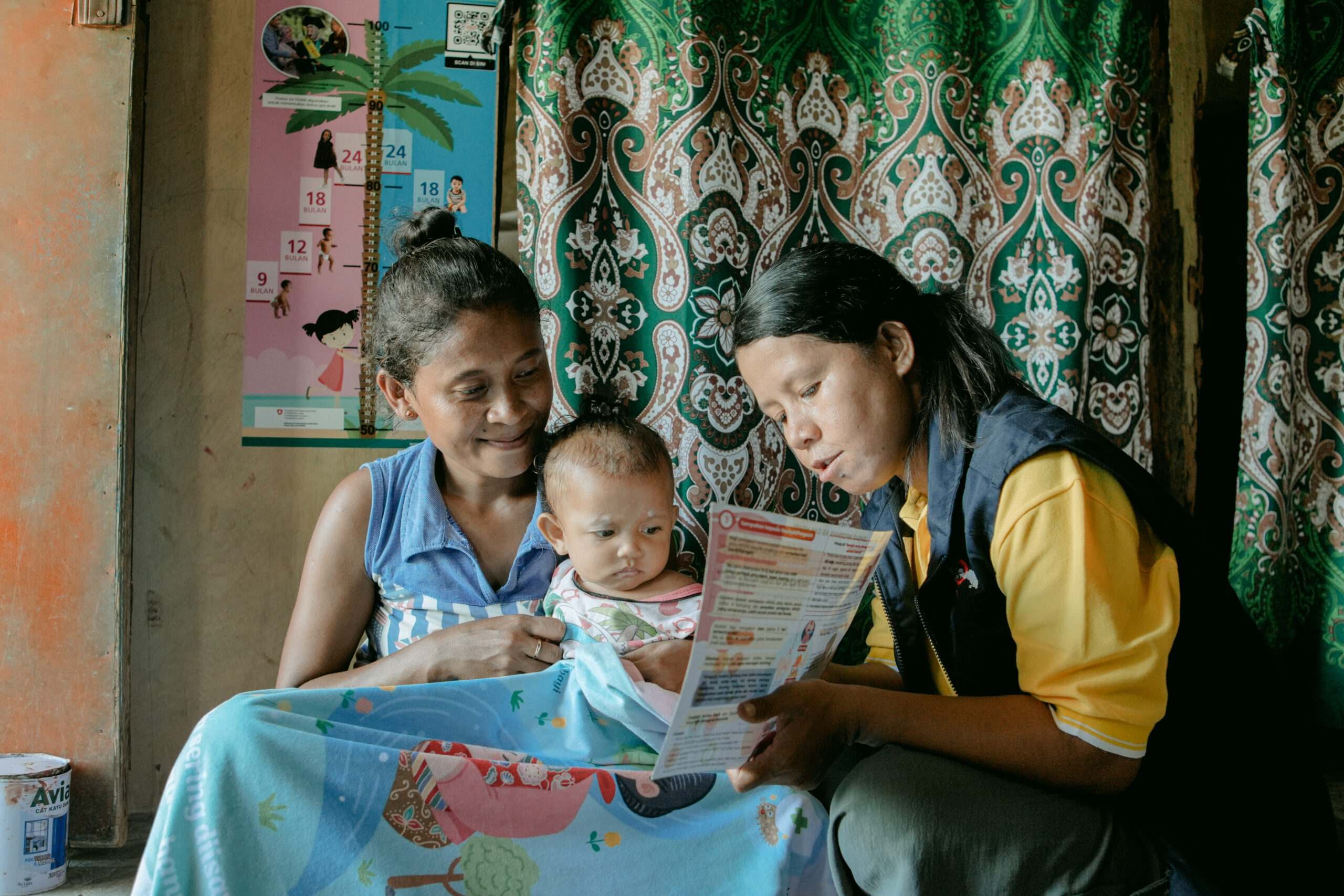
A PHONE CALL came from Soe, a district in East Nusa Tenggara that borders Timor-Leste. On the other end of the line was Aca, a community health worker who has spent years working in the area. Aca spoke about the plight of community health workers in her community.
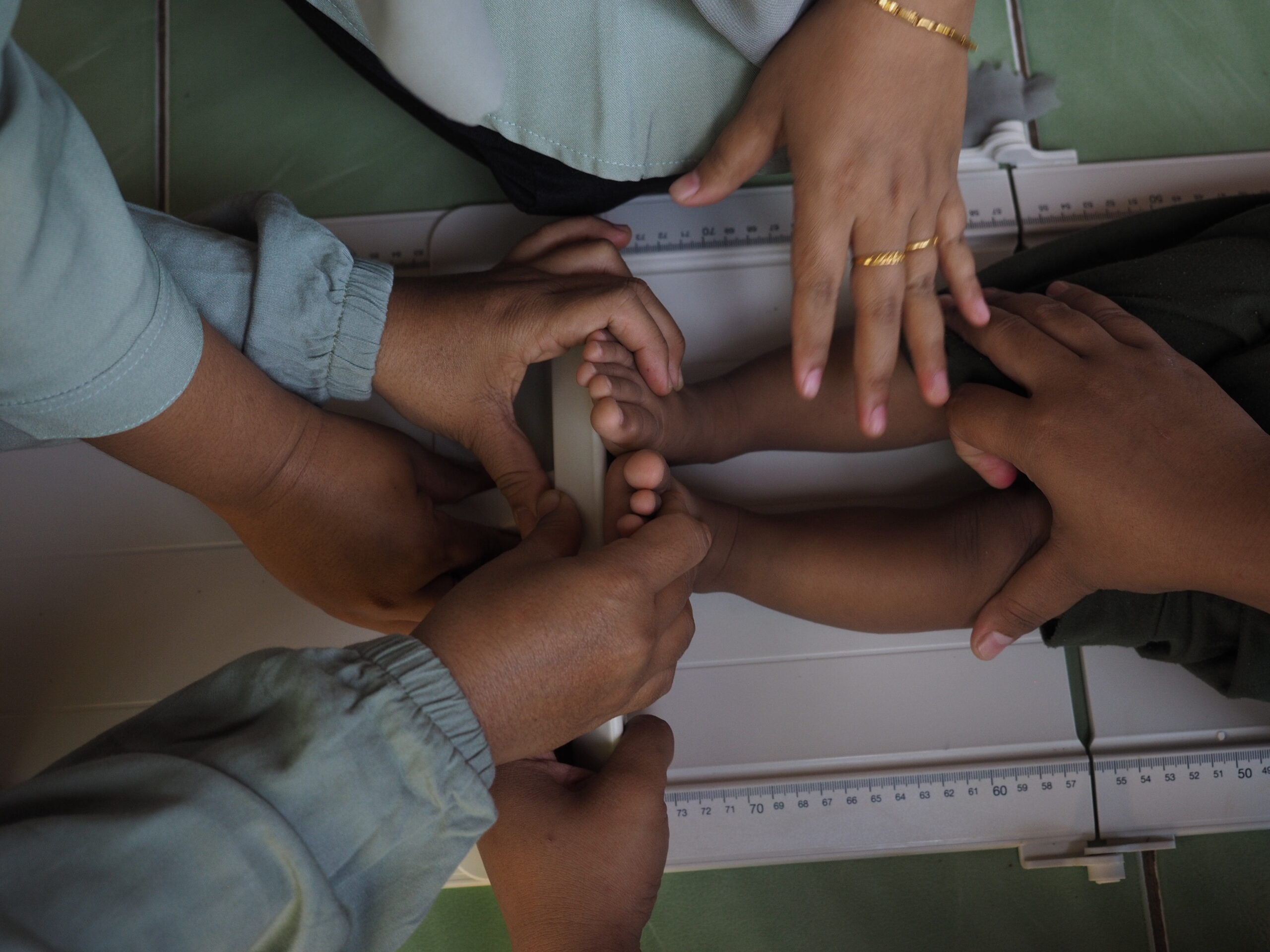
Every day, Aca and her fellow health workers walk from their homes to residents’ houses to check on pregnant women, weigh toddlers, administer immunizations, and educate families about nutritious food for children in an effort to prevent stunting. For all this hard work, Aca receives an incentive of IDR 66,000 per month.
“It’s a big job,” Aca said, “but we’re paid in pocket change.”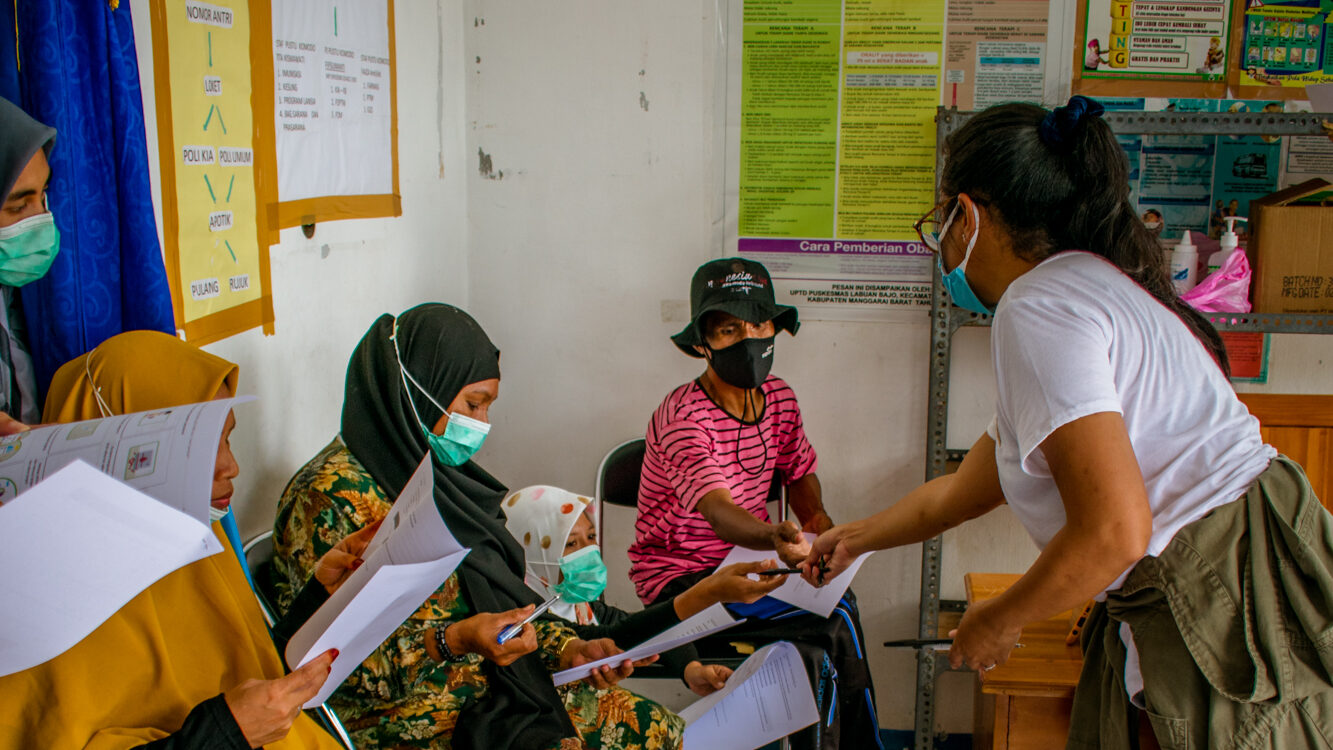
The incentives are not distributed equally, either. Other community health workers in the same urban village where Aca works receive different levels of compensation. Some have been working for nearly two decades without receiving any incentives at all.
Minister of Health Regulation No. 8/2019 positions community health workers as partners of health professionals in delivering community-based services. They are not included in the formal employment system with standardized wages and are often regarded as volunteers in efforts to empower communities to improve public health.
Nevertheless, in areas far from health facilities, such as Soe and other remote regions, community health workers are at the forefront of efforts to change health-related behaviors and provide basic services through community-based healthcare.
Their contribution to reducing stunting should not be underestimated. In West Manggarai and Rote Ndao, two districts in East Nusa Tenggara with high stunting prevalence, community health workers helped reduce stunting rates by up to 19 percent between 2021 and 2024.
Beyond eastern Indonesia, community health workers have also made a significant contribution through the model Posyandu Teladan, implemented in collaboration with multiple stakeholders. In Cibatok 1Village, Bogor Regency, stunting prevalence fell dramatically from 20 percent to 2.46 percent over a period of two and a half years.
These achievements underscore the importance of improving community health workers’ welfare through policy measures, decision-making, and sustainable program collaboration.
Data from the Ministry of Health recorded 304,263 active posyandu (integrated health service posts) across Indonesia in 2023. If every active posyandu is required to have five community health workers, as stipulated in Ministry of Health Regulation No. 13/2022 on the Ministry of Health’s Strategic Plan, the country currently has approximately 1.5 million community health workers. Yet their sheer numbers have not translated into improved welfare.
Providing incentives for community health workers is not mandatory; it depends on local governments’ policies and fiscal capacity. This arrangement refers to Law No. 23/2014, which gives local governments the authority to determine budget priorities, including support for community health workers. In other words, the amount of compensation and whether any is provided at all varies considerably depending on the policy commitments of local governments.
For example, research conducted by 1000 Days Fund in two villages in Lombok found that community health workers contributing to stunting prevention programs should receive IDR 783,000 per month if their work were valued using a model based on the regional minimum wage.
In reality, however, direct reports from community health workers in the area indicate that they receive only around IDR 232,000 per month. Moreover, they must cover substantial work-related expenses out of their own pockets. Their median out-of-pocket expenditure reaches IDR 48,800, or nearly one-third of the total incentives they receive.
Nationally, amid a nutrition budget of IDR 300 trillion, community health workers in Lombok receive only IDR 232,000 per month, far below the IDR 783,000 benchmark, even though Village Funds in East Nusa Tenggara and West Nusa Tenggara could offer a funding solution. For many workers, the issue is not just the amount of money but whether their work is recognized. (Project M/Marco Anthony)
Community health workers in South Central Timor Regency (TTS) have, on rare occasions, received relatively adequate compensation. After prolonged advocacy efforts beginning in 2024, the workers achieved a breakthrough: on December 24, 2025, they received incentives of IDR 1 million for the first time, comprising IDR 500,000 in incentives and IDR 500,000 for transportation to conduct home visits. For many workers, this was not simply about the amount of money but about finally having their work recognized as worthy of compensation.
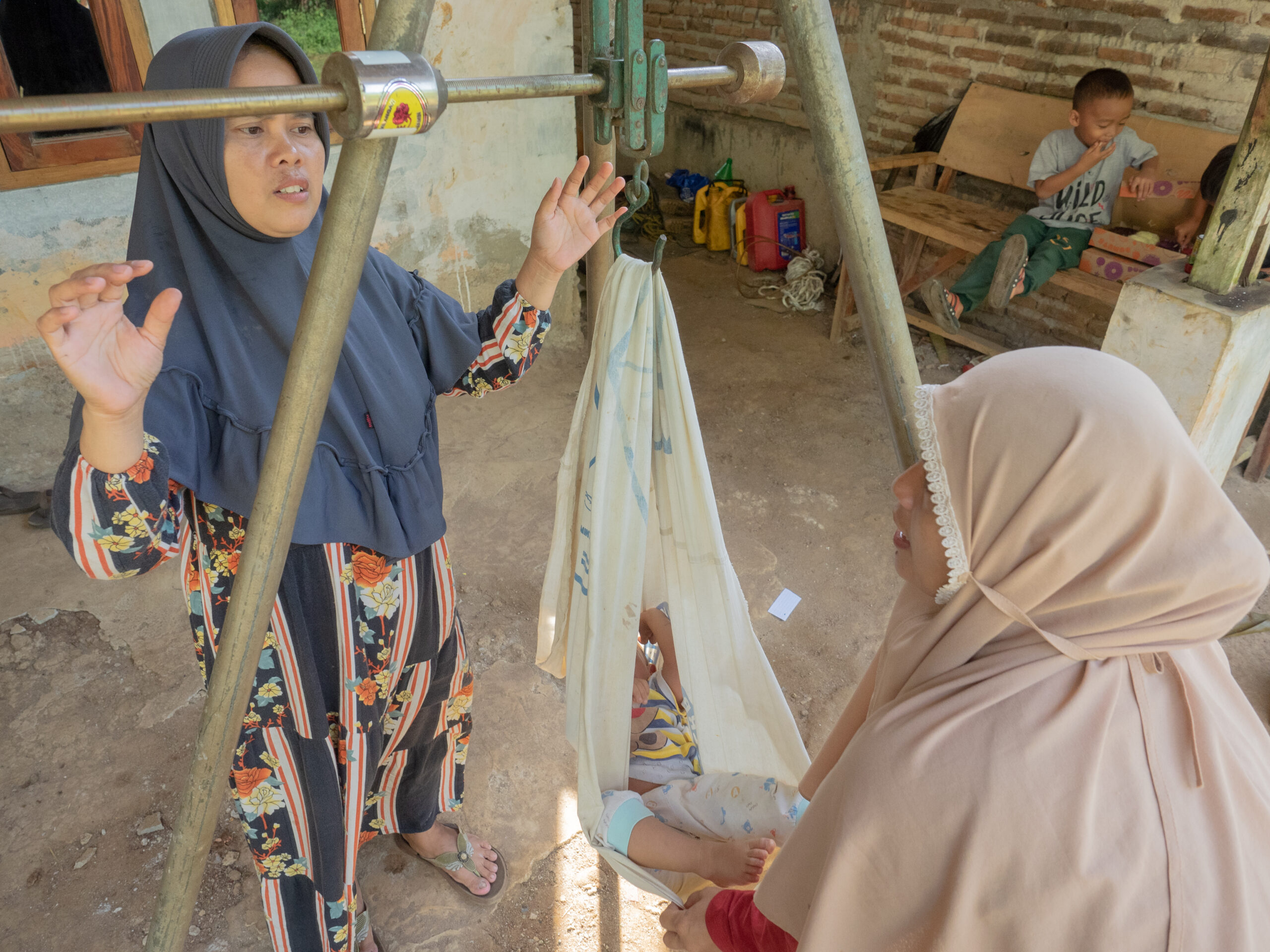
Meanwhile, the central government is willing to spend hundreds of trillions of rupiah on the Free Nutritious Meals (MBG) program. This enormous budget allocation highlights the irony of the lack of guaranteed fair wages for community health workers, who play a crucial role in preventing stunting before it occurs.
In fact, Minister of Health Decree No. 215/2023 on the Integration of Primary Healthcare Services has already established the role of community health workers within the primary healthcare system. Yet uncertainty over funding sources continues to be a major obstacle to strengthening their role in stunting prevention and management.
Village Funds should be a potential source of financing for community health workers. Experience gained by 1000 Days Fund throughout 2024–2025 shows that optimizing the use of Village Funds could provide a concrete solution to the persistent stagnation in funding for efforts to strengthen the community health workforce.
Through commitments from 110 villages in East Nusa Tenggara and West Nusa Tenggara, IDR 6 billion in Village Funds was successfully allocated to strengthen community health workers’ roles using the5S approach: skilled, supplied, supervised, salaried, and security (social protection). This approach contributed to reducing stunting in the intervention areas.
This initiative aligns with Government Regulation No. 60/2014 on Village Funds and is reinforced by Regulation of the Minister of Villages and Development of Disadvantaged Regions No. 16/2025, which affirms that stunting prevention is a national development priority supported by capacity-building and incentives for community health workers.
Therefore, successful practices in East Nusa Tenggara and West Nusa Tenggara should be replicated in other regions. One practical starting point would be to develop a module on using Village Funds to accelerate stunting reduction, providing guidance to villages on how to allocate available resources effectively and where they are most needed.
The module could serve as a practical guide for village governments to translate national priorities into targeted village planning and budgeting. At the same time, it would help ensure that strengthening the community health workforce is treated as a long-term investment in the development of human resources at the village level.
Furthermore, financing through Village Funds could be included as one of the funding options mandated under the latest Presidential Regulation on Accelerating Stunting Reduction. The revision of this policy presents an opportunity to clarify funding sources for programs that empower community health workers, recognizing these programs as an integral part of stunting prevention efforts.
Looking ahead, the government could also explore other funding sources, such as revenue from excise taxes on sugarydrinks, as well as the issuance of regional bonds and sukuk (Islamic bonds). These measures would help ensure that community health workers receive the recognition they deserve while preventing them from having to spend their own money to contribute to the national effort to reduce stunting.
About this article
This article was originally published by Project Multatuli on April 16th, 2026.
Read the original publication →
Muhammad Arief Virgy is a Communication Policy Consultant at 1000 Days Fund and a Researcher at the think tank The Habibie Center. He earned a Master of Development Studies degree with a specialisation in Public Policy and Management from the International Institute of Social Studies, Erasmus University Rotterdam. Virgy has six years of experience working in public policy and development across several institutions, including the Center for Indonesia’s Strategic Development Initiatives (CISDI), a nonprofit organisation focused on strengthening Indonesia’s health system.
RECENT POSTS
Saving the People Who Save Us: Close the Fiscal Gap in Indonesia’s Primary Healthcare
30/09/2026
When Words Aren’t the Way In: Disability-Inclusive Communication in Home Visits
27/08/2026