NEWS

The Women on the Front Lines of Indonesia’s Stunting Crisis

The Women on the Front Lines of Indonesia’s Stunting Crisis

This article was originally published in Katadata on March 12th, 2026


March is more than just a symbolic month. Since 2017, Women’s March in Indonesia has brought together thousands of voices demanding an end to violence, protection for workers, environmental justice, and gender equality. Its goal has always been clear: structural change, not merely symbolic recognition. This year, there is another issue we must bring to the forefront: the invisible women who carry Indonesia’s stunting reduction strategy on their shoulders.

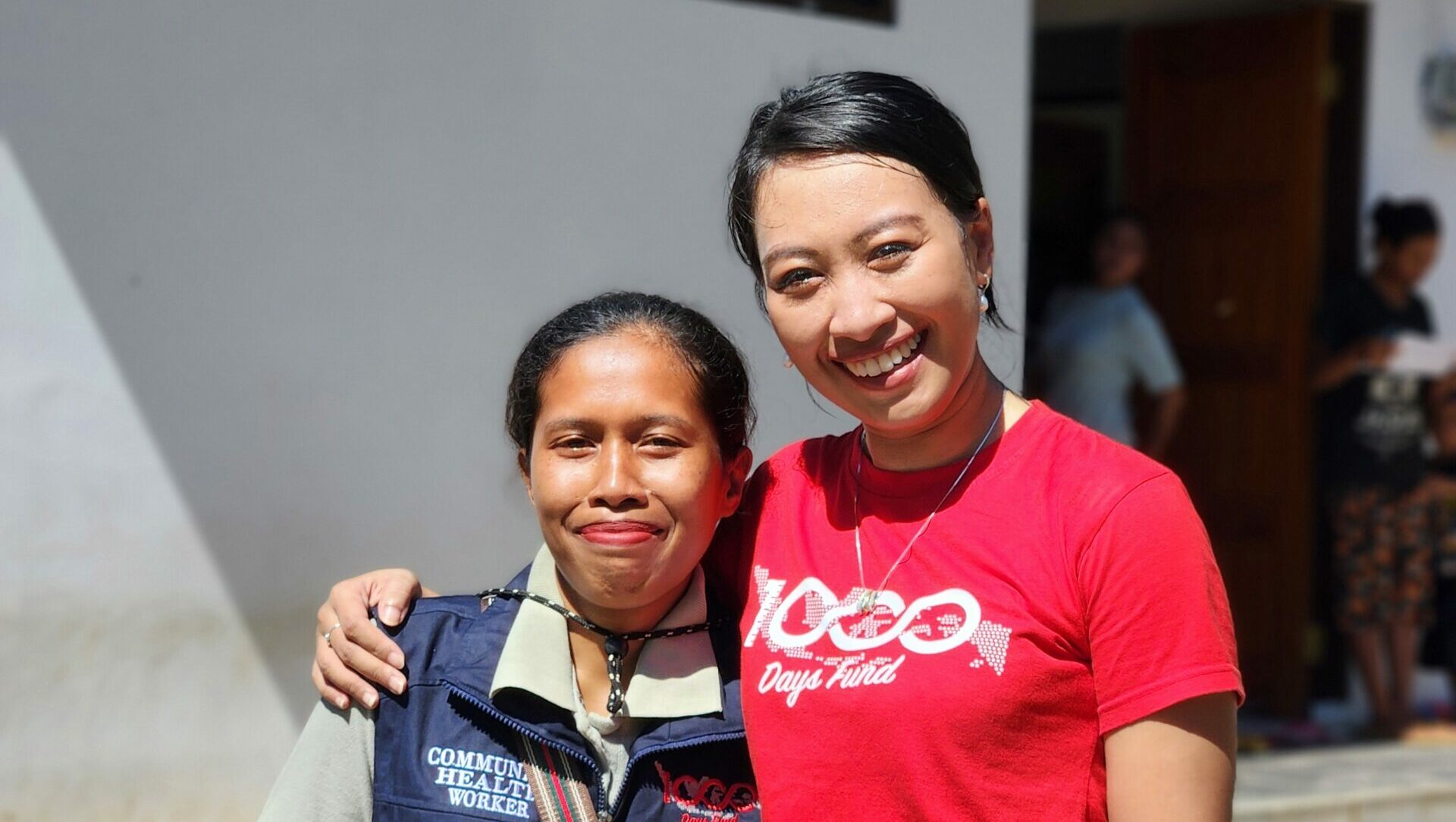
Community health workers are the backbone of Indonesia’s primary healthcare system. There are more than one million of them, and the vast majority are women. Yet their contributions often go unrecognized, are poorly compensated, and are structurally undervalued.

If we are truly serious about preventing stunting, we must also take seriously the women who work to prevent it.

Clear Evidence

When community health workers receive structured training, regular supervision, and system-level support that helps them build trust with families, they can bring about tangible change.

In West Manggarai and Rote Ndao, structured support for community health workers contributed to a 19% reduction in stunting between 2021 and 2024. In Cibatok 1 Village, Bogor Regency, the prevalence of stunting fell from 20% to 2.46% over a period of two and a half years.

These figures are not abstract statistics. They represent children who will grow, learn, and develop differently because a woman in their village consistently showed up for them.

Globally, the pattern is much the same. In Bangladesh, female community health workers have made significant contributions to increasing immunization coverage and the use of maternal healthcare services. In Ethiopia, the Health Extension Worker program, staffed predominantly by women, has significantly increased antenatal care visits and child growth monitoring. In Nepal, female community health workers have successfully increased exclusive breastfeeding rates and reduced child mortality through consistent household counseling.

When women counsel other women, something changes. Mothers are more open to welcoming them into their homes. They are more willing to talk about breastfeeding difficulties, pregnancy complications, domestic pressures, and food insecurity.

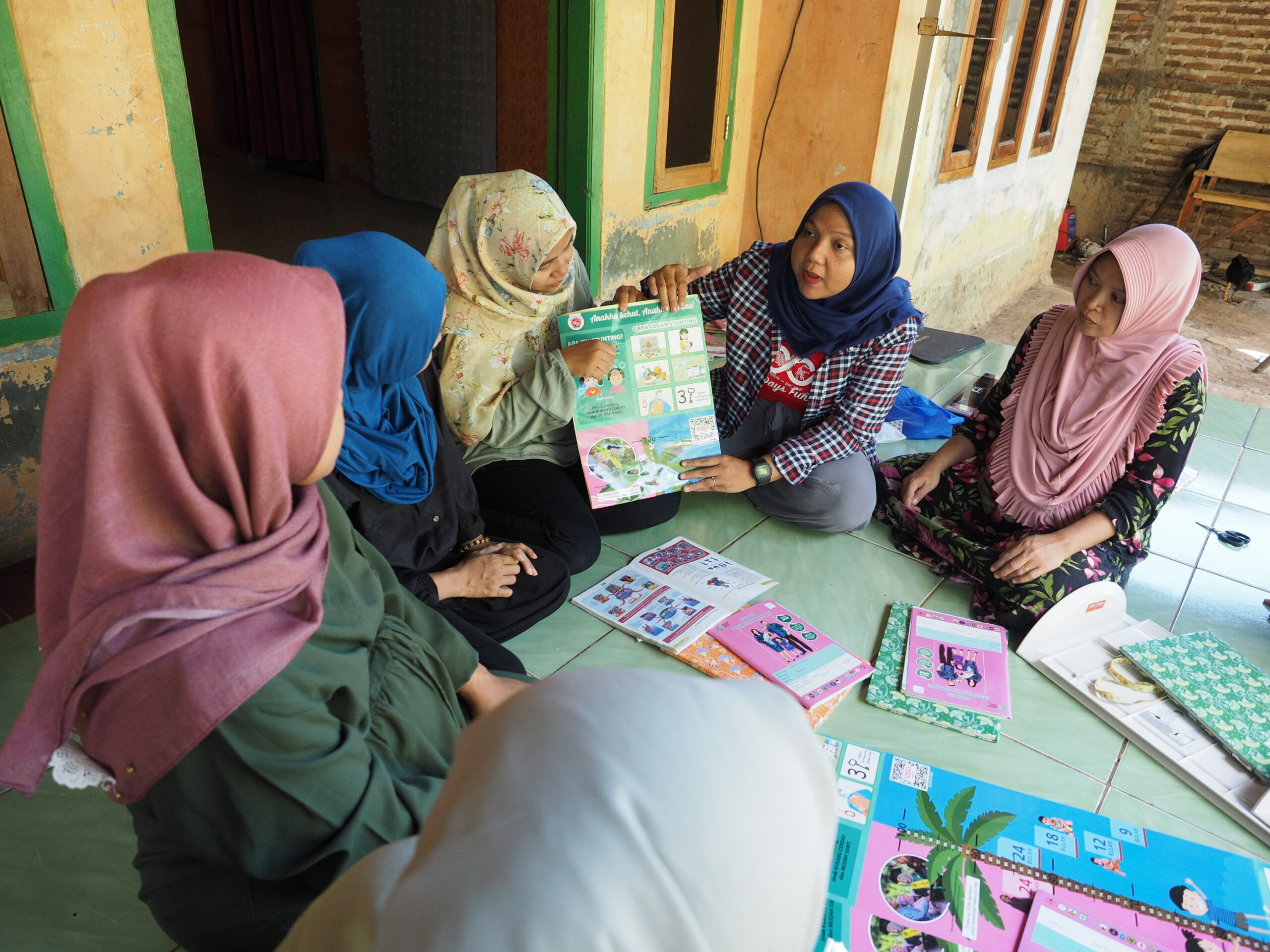
Female community health workers understand the social realities of care work because they experience them themselves. They can enter kitchens, sit on the floor with families, and have honest conversations about child-feeding practices in ways that are culturally acceptable and grounded in strong interpersonal relationships.

This relational trust is not merely an added benefit. It is the primary mechanism of change.

They Have to Pay to Work

Although Indonesia has one of the largest community health networks in the world, many community health workers still have to spend their own money to do their jobs.

In Lombok, some community health workers spend approximately Rp48,800 of their own money each month, nearly one-third of the incentives they receive. Meanwhile, they dedicate between 16 and 59 hours per month to health-related activities.

We call this “voluntary” work. But we need to be honest about what is often concealed behind that word.

Care work has long been viewed as a “natural duty” of women. In some global contexts, including Iran and parts of South Asia, maintaining female community health workers as volunteers has actually made their roles more socially acceptable because they are not perceived as threatening men’s economic authority.

Labeling this work as “voluntary” reinforces the assumption that women are simply extending their domestic responsibilities into the community. The volunteer status of female community health workers is maintained to align with social norms that suggest women should not earn an income.

This perspective is not neutral. It is structural.

It creates a double burden. Women are expected to manage households, care for children and elderly parents, and provide healthcare services to their communities at the same time. They are often pulled between domestic responsibilities and their community roles, while the unpredictable demands of healthcare work are frequently perceived as taking time away from what they should be devoting to their families.

In India, some community health workers have even reported being reprimanded when their community work was considered to interfere with their duties as a “good daughter-in-law.”

Yet at the same time, we continue to expect them to prevent stunting, monitor children’s growth, counsel families, monitor pregnancies, and collect health data.

The Cost of Invisibility

When female community health workers are structurally underpaid and lack formal recognition, it sends a message about whose work is considered important.

This situation pushes women into the lowest and least protected tiers of the healthcare system. It legitimizes the absence of formal contracts, stable funding, and pathways for professional development.

As a result, community health workers may become less motivated, and turnover may increase, ultimately undermining program outcomes.

If we want good performance, dignity must be built into the system.

What Would Structural Change Look Like?

Women’s March must go beyond raising awareness and begin pushing for structural reform.

First, the state must formally recognize unpaid care work. A revision of the Presidential Regulation on the Acceleration of Stunting Reduction should explicitly recognize community health workers as key actors in implementing both specific nutrition interventions and nutrition-sensitive interventions.

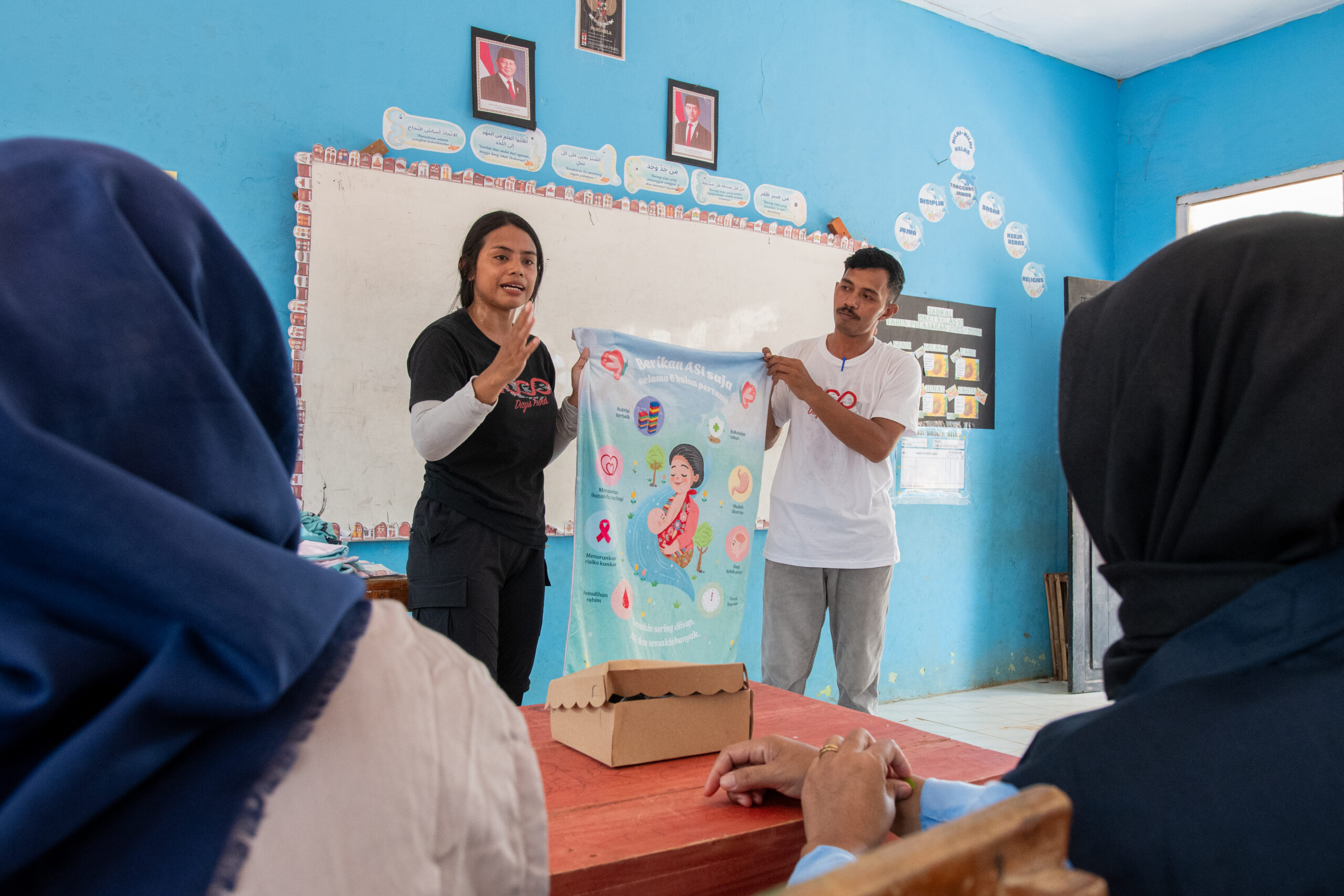
Second, Indonesia needs a nationally standardized, tiered training framework for community health workers. This training should cover growth monitoring, evidence-based counseling, maternal nutrition, referral mechanisms, and high-quality data reporting.

Community health workers’ capabilities should not depend on their geographic location. Standardizing training aims to reduce disparities in capacity across regions and improve the quality of community-based healthcare services, particularly in areas experiencing shortages of professional healthcare workers.

Third, sustainable and transparent financing mechanisms must guarantee regular incentives or remuneration integrated into central and regional budget planning. Community health workers’ retention, motivation, and accountability are directly linked to financial recognition.

Beyond policy, we must also challenge cultural norms that equate caregiving exclusively with femininity. Domestic work and community care work must be shared more equitably. This burden cannot continue to rest solely on women’s shoulders.

Equality is About More Than Representation

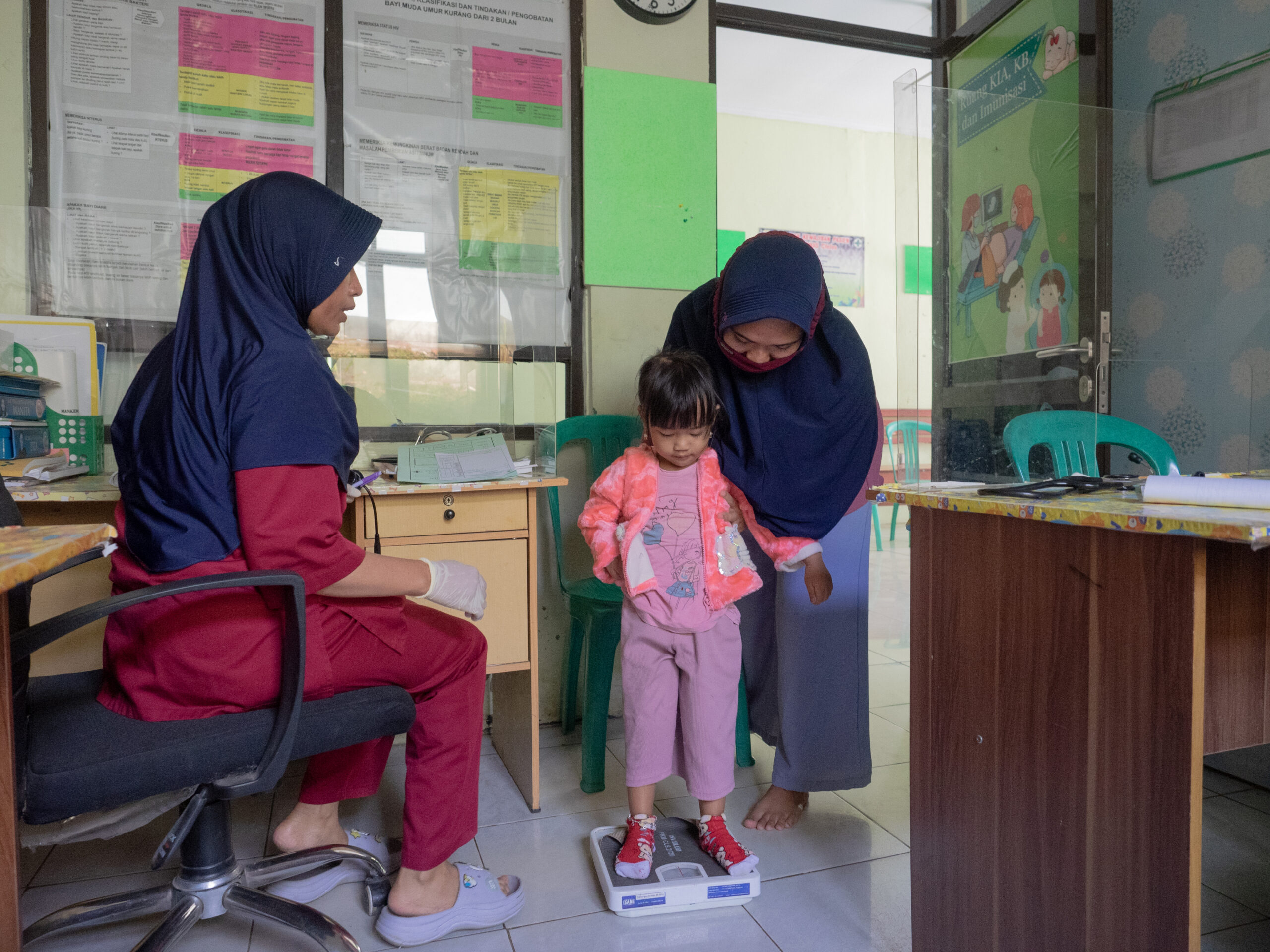
Women’s March is often associated with women’s representation in parliament or corporate leadership. These things are important. But equality also exists at posyandu, Indonesia’s integrated community health posts.

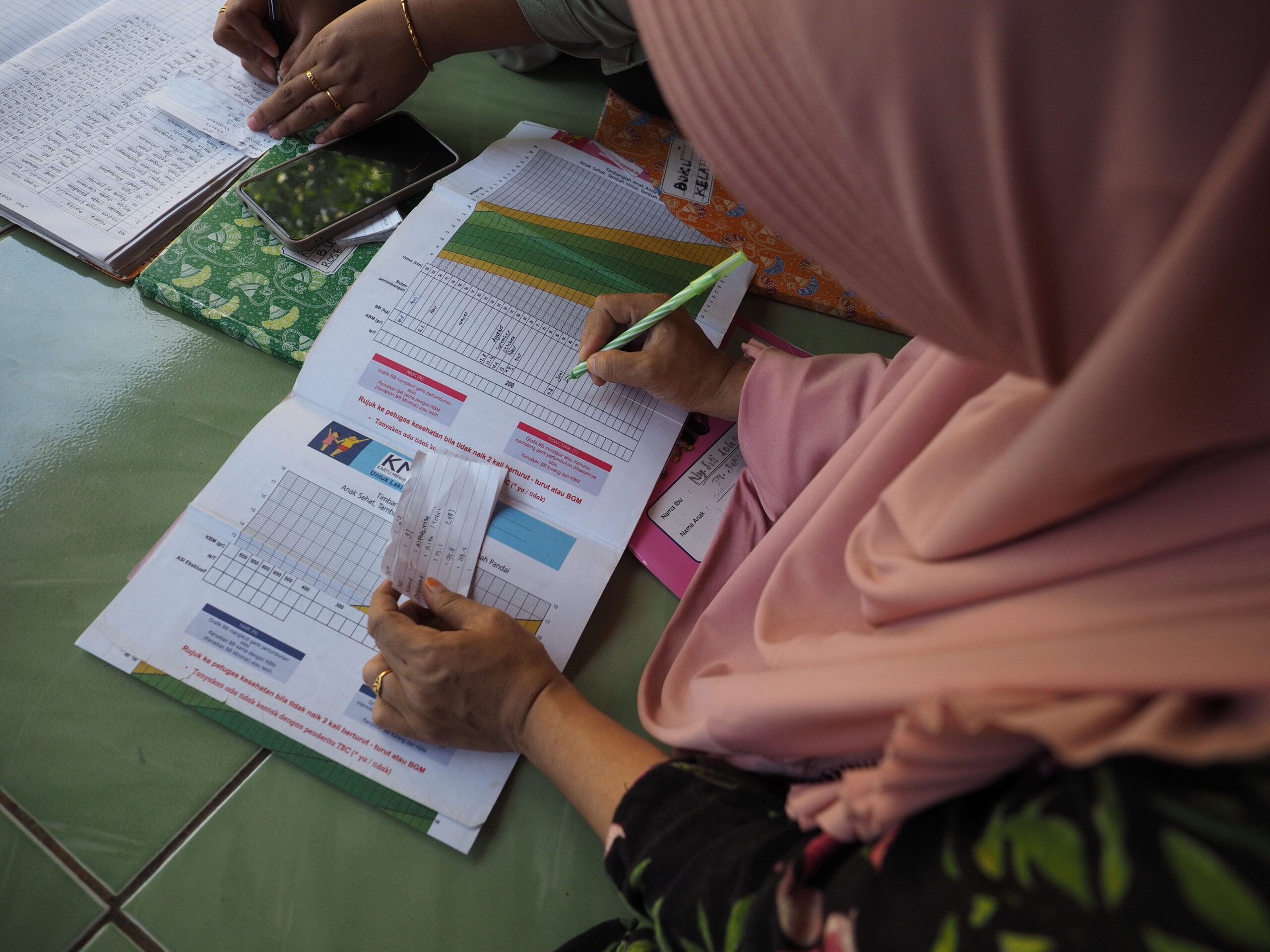
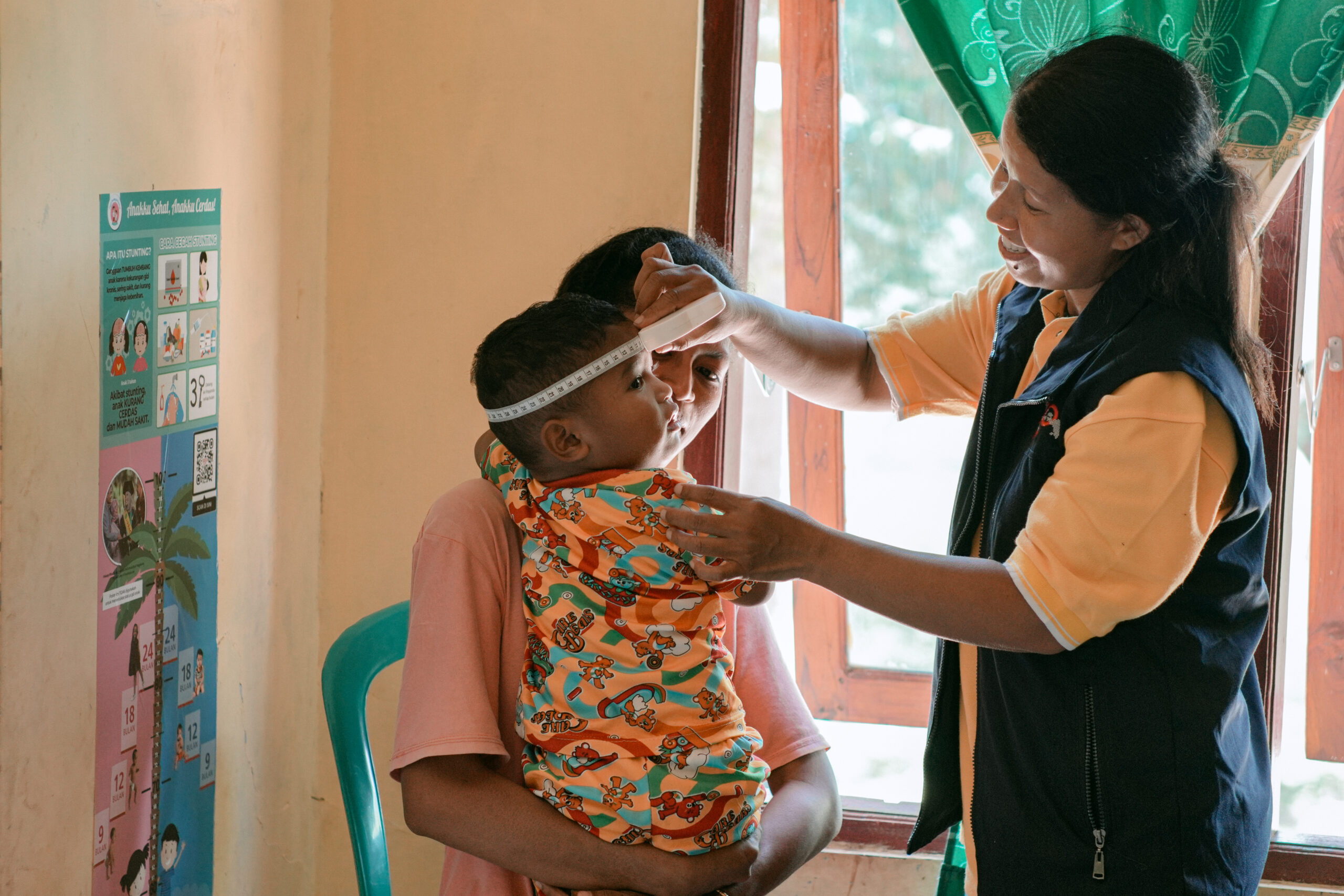
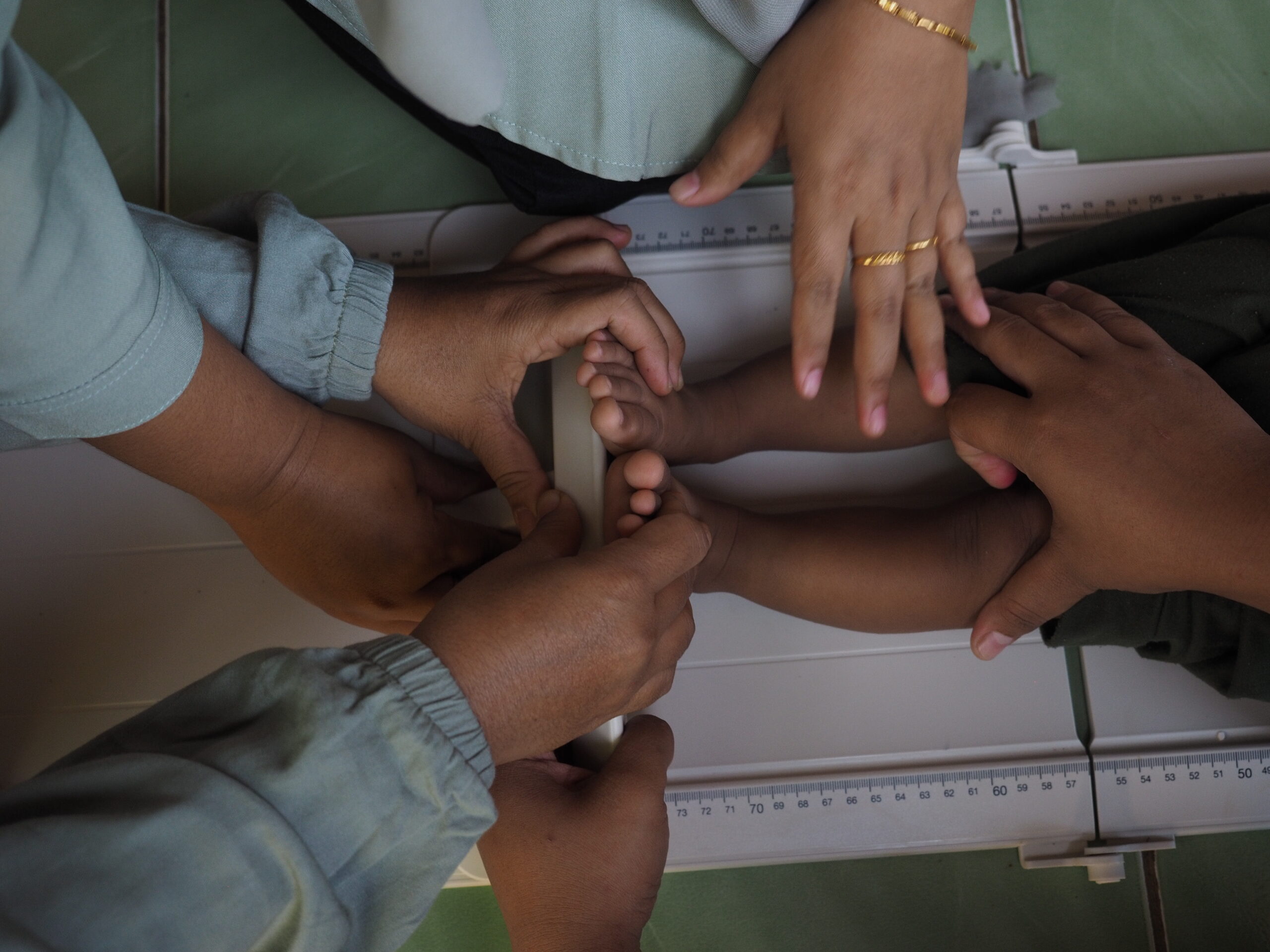
Equality exists in everyday spaces where women sit alongside mothers, measure children’s height and weight, counsel families, and quietly prevent malnutrition before it becomes visible.

Indonesia’s stunting reduction strategy rests on women’s labor that is not fairly compensated. As long as this work remains unrecognized, unprofessionalized, and inadequately compensated, the struggle for gender justice remains unfinished.

The women preventing stunting are not actually invisible. We are the ones who have chosen not to see them. It is time to change that.

RECENT POSTS
1000daysfund
Learning from Rote Ndao: When Political Will Helps Fight Stunting
19/10/2026
1000daysfund
Trillions for Free Meals but Pennies for Indonesia’s Frontline Health Workers
15/10/2026
1000daysfund
Saving the People Who Save Us: Close the Fiscal Gap in Indonesia’s Primary Healthcare
30/09/2026
1000daysfund
One Coordinator, Five Villages: What Makes Field Support Work
03/09/2026