NEWS
Scaling What Works: How Community Health Workers Moved the Needle on Stunting in Eastern Indonesia
- Dec 09, 2025
Early Findings: 1000 Days Fund Impact
- The biggest gains appeared after several years of consistent effort, showing that system-strengthening pays off over time—not overnight.
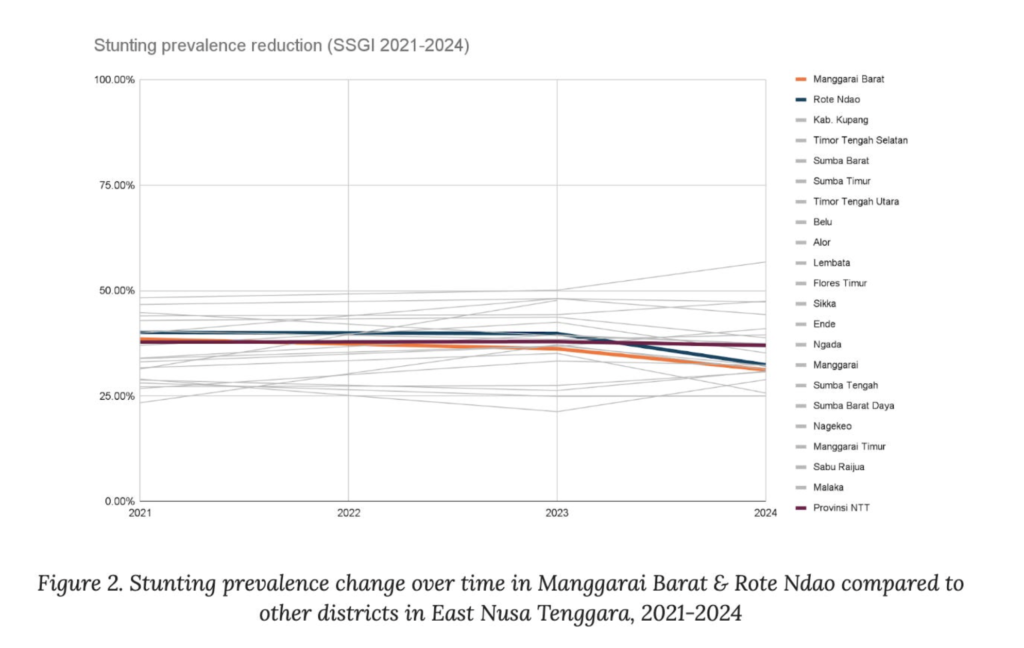
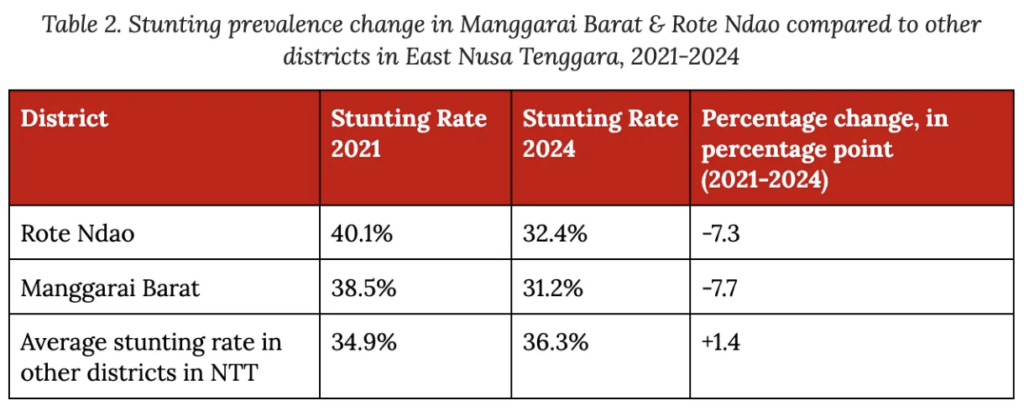
- Stunting rates fell by 20%—3x faster than in most peer districts—despite the systemwide shock of COVID-19 and the inherent slow movement of height-for-age indicators.
- Exclusive breastfeeding rates climbed to 78%, nine points above the national average, while iron/folic acid adherence for mothers reached 72% compared to the national 44%.
- Basic immunization coverage hit 73% nearly 2x the Indonesian average of 36%.
- Targeted districts maintained stronger continuity in growth monitoring during crises, reflecting greater community system resilience.
- The impact came from focused investment in community health worker (CHW) training, supportive tools (Smart Charts/soft skills training), and integrating with local health structures for lasting change.
- Household trust in CHWs (often neighbors) powered sustainable behavior shifts, more than mass campaigns.
- Professionalizing CHWs could be the key to scaling new interventions like multiple micronutrient supplements. CHWs who are trained, equipped, and recognized are now driving real gains in multiple micronutrient supplementation and immunization rates—proving that investing in people supercharges the delivery of lifesaving interventions.
- These results are driving interest from Indonesia’s Ministry of Health to scale the model province-wide.
Despite decades of investment, childhood stunting remains one of global health’s most persistent and invisible challenges. Stunted children are not just shorter for their age; they face lifelong consequences: impaired cognitive development, weakened immunity, and lost social and economic potential. Nowhere is this more evident than in East Nusa Tenggara (NTT), Indonesia’s third poorest province, where one in three children experiences stunting. Yet recent findings from the 1000 Days Fund’s work in Manggarai Barat and Rote Ndao (two districts in NTT where we have been working since 2021) offer hard-won optimism and a replicable, systems-based path forward.
From Lagging Indicators to Causal Pathways
Traditional approaches to stunting have focused on headlines—reducing prevalence rates, distributing food and supplements, and periodic monitoring. The 1000 Days Fund took a different tack: start with the real drivers of change, embed themselves in village health systems, and relentlessly follow the causal pathways and proxy indicators that matter most—maternal nutrition, low birth weight prevention, exclusive breastfeeding, immunization, and service delivery quality. Their premise: shift focus from “what’s the stunting rate” to “how do we change the factors that create stunting in the first place?”
The Model: Empowering the Frontline
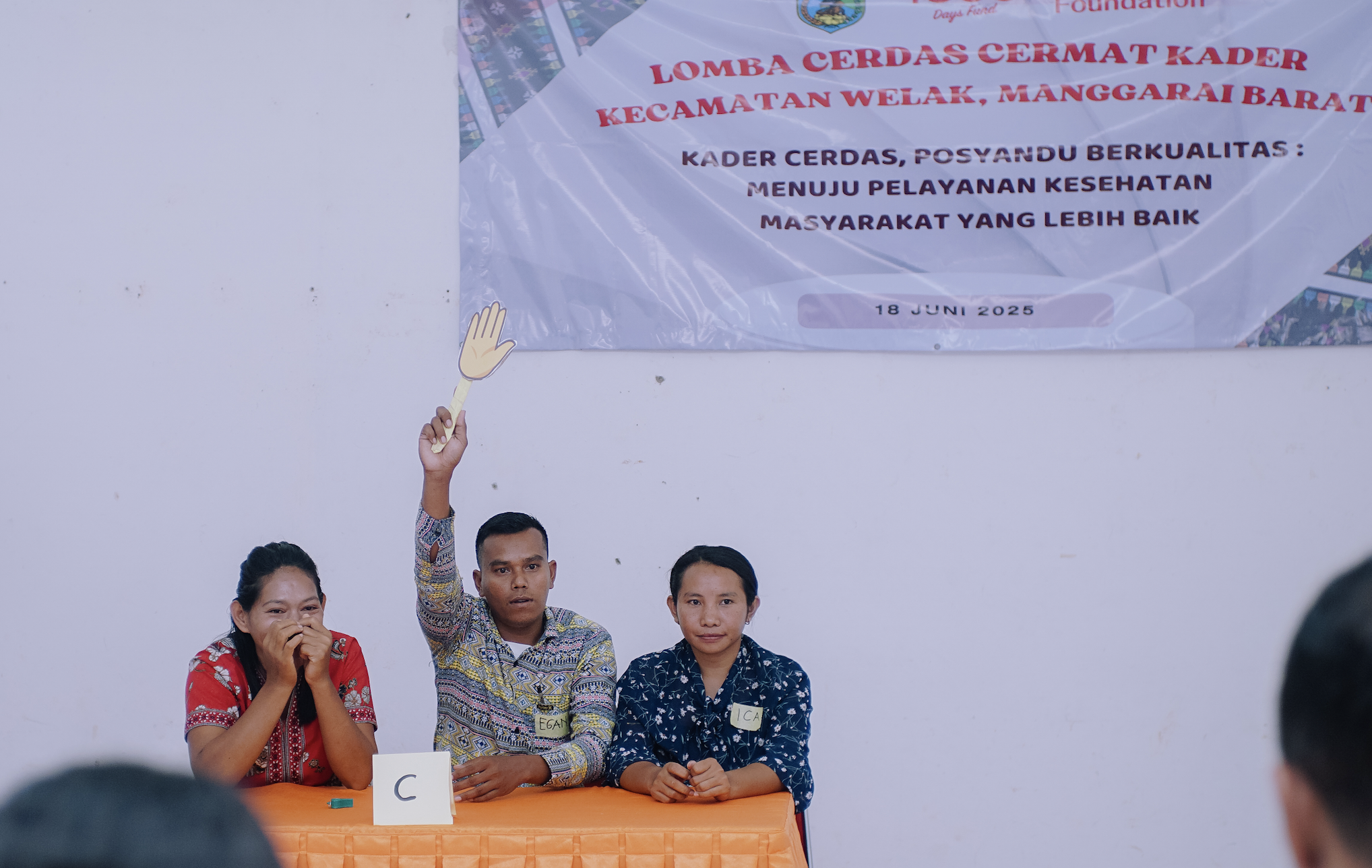
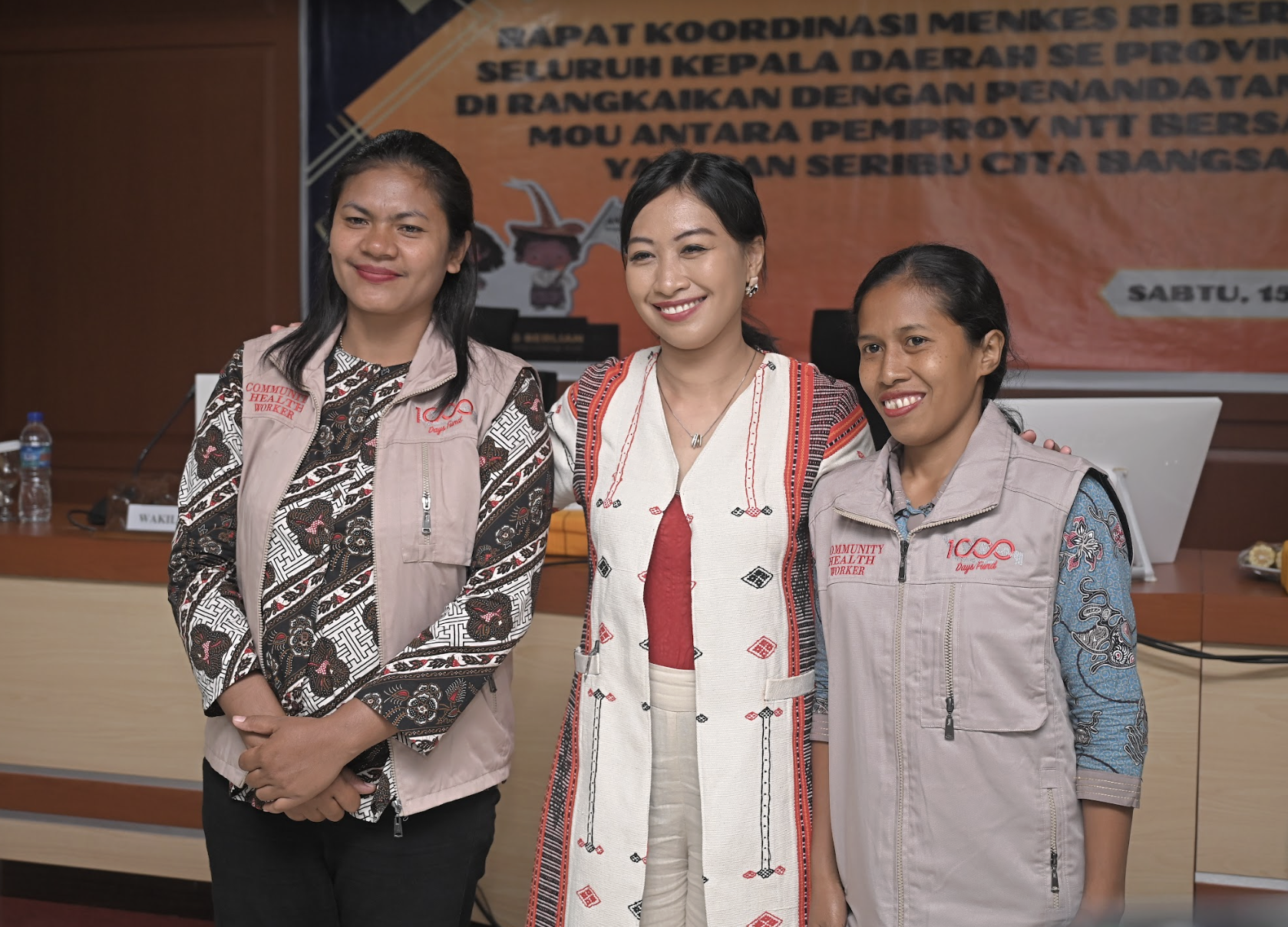
Indonesia’s network of over a million community health workers (CHWs), mainly women, forms the backbone of rural health care. Despite this, only 13 percent had received structured pre-deployment training. The 1000 Days Fund targeted this gap, combining high-quality, ongoing CHW capacity building with behaviour-change tools like the Smart Chart, supportive supervision, and a new emphasis on proactive community case management. The Smart Chart—simple, visual, tailored for non-experts (please see the smart chart in action below) helped translate abstract policy into day-to-day behaviour for households: reminders for breastfeeding, iron supplementation, and growth monitoring, installed in homes after CHW visits.
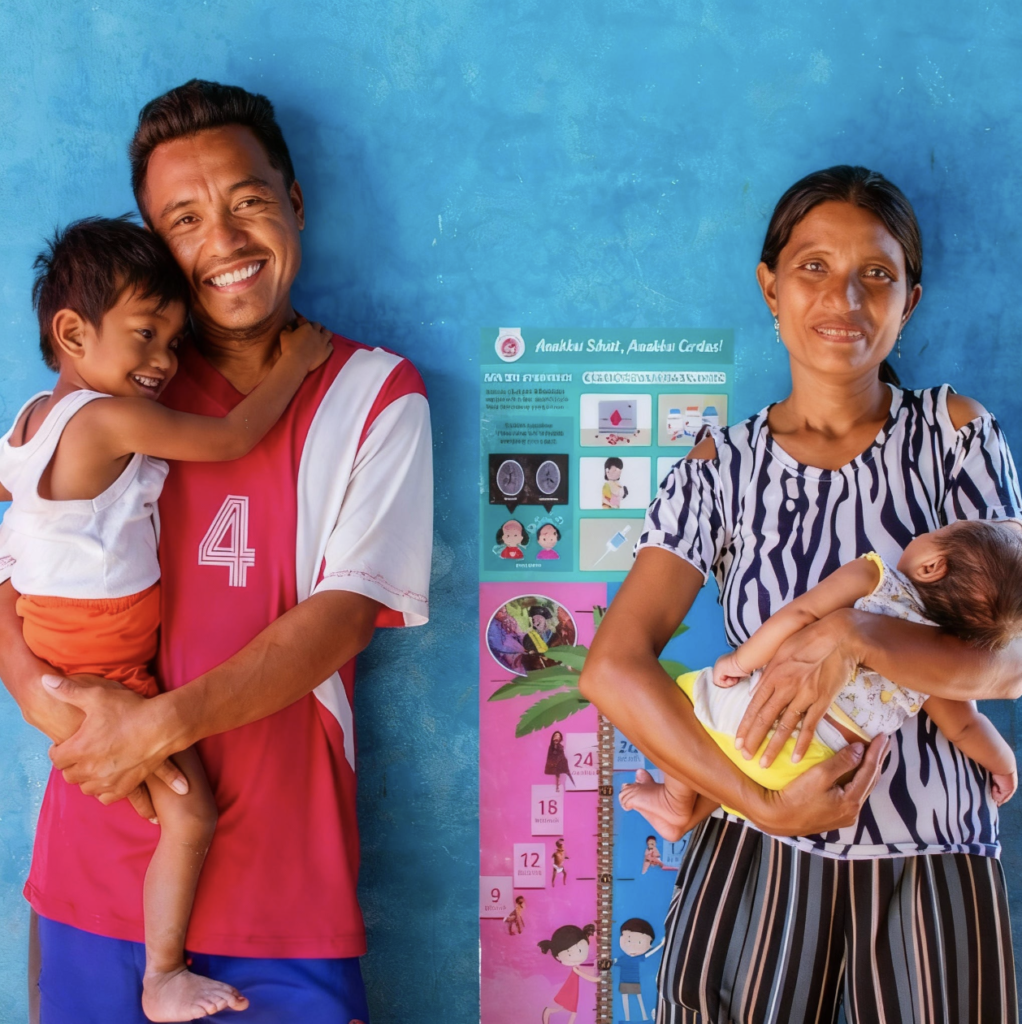
But training alone is nowhere near enough. The Fund’s “5S” framework—ensuring CHWs are Salaried, Skilled, Supervised, Supplied, and Secured—places equal emphasis on integrating workers into functioning systems, regular technical assistance, and linking incentives and recognition to performance.
What Happened? Tracking Impact in Real Time
Between 2021 and 2024, the 1000 Days Fund supported hundreds of CHWs and thousands of households across Manggarai Barat & Rote Ndao. A rigorous, independent evaluation using contribution analysis & triangulating multiple data sources found:
- Stunting rates fell by 20%—3x faster than in most peer districts—despite the systemwide shock of COVID-19 and the inherent slow movement of height-for-age indicators.
- Exclusive breastfeeding rates climbed to 78%, nine points above the national average, while iron/folic acid adherence for mothers reached 72% compared to the national 44%.
- Basic immunization coverage hit 73%, nearly 2X the Indonesian average of 36%.
- Targeted districts maintained stronger continuity in growth monitoring during crises, reflecting greater community system resilience.
Crucially, the steepest gains appeared after multiple years of consistent program engagement—mirroring global literature that system strengthening effects accumulate and reveal themselves over time, not overnight.
Causal Chain:
From People, To Practices, To Population Change
The evaluation mapped a theory of change, beginning with CHW training and support (outputs), leading to improved CHW knowledge and confidence, then to household awareness and behaviour change (outcomes), and finally to shifts in population-level stunting rates (impact).
- CHW capacity: Independent assessment showed 60–65% of CHWs reached proficiency in targeted skills, and over half demonstrated measurable improvements in growth monitoring and preventive counselling.
- Household engagement: Placement of Smart Charts was associated with significant increases in caregiver knowledge and reported adoption of key health practices. These effects persisted even after controlling for broader public messaging or other programs.
- Health system synergy: Performance data suggested that, in program districts, not only did more children and mothers access services, but those services were more likely to be consistent and high quality.
This pathway was confirmed not just by program data, but by nationally representative surveys and independent review from the Research Advisory Board, enhancing credibility amid the absence of randomized controls.
Lessons in Implementation: Context, Complexity & Course Correction
Three implementation insights anchor the evaluation:
- System Integration Matters: High-intensity, stand-alone training and materials yield limited gains if CHWs are unsupported, under-recognized, or stretched across too many responsibilities. Success required aligning with existing Puskesmas structures, involving district health teams early, and sharing performance data transparently at every level.
- Continuous Learning, Not Perfection: The feedback loop was central. Real-time data were not just collected, but shared back efficiently with local actors, shaping adjustment and re-training on the fly. Iterative technical assistance helped avoid overconfidence among recent trainees and caught gaps quickly.
- Household Engagement Must Be Trust-Based: Sustainable behaviour change happened when caregivers trusted CHWs—often their cousins, neighbors and family friends—over generic mass campaigns. This trust was built through regular interaction, cascading information, and visible signals (e.g., Smart Charts in the home) reinforcing new norms.
Limitations & Honest Reflections
This work was not a randomized controlled trial, and attribution can never be certain in a real-world system change initiative. Early monitoring data had inconsistencies in sampling; district health office records varied in quality. The COVID-19 period brought both data collection disruptions and novel challenges in service continuity. Importantly, the model relied on local buy-in. What worked in Manggarai Barat and Rote Ndao may require adaptation in other settings.
But triangulation of program, government, and external evaluation sources substantially increased confidence that the model—not just context or coincidence—was driving measurable impact. The strong alignment of timing and coverage between intensive 1000 Days Fund interventions and stunting improvements, outpacing all but a handful of districts nationwide, adds further weight.
Implications for Indonesia & Beyond
Three lessons stand out for policymakers, funders, and practitioners:
- Intermediate Outcomes are Key: Don’t just measure stunting at the end: track maternal nutrition, breastfeeding, immunization, and service quality throughout. These are both “early warning” and “leading edge” indicators for long-term gains.
- Systemic Investment Multiplies Returns: Training is cheap, but it is high-frequency engagement, consistent supervision, and embedding in accountable local health teams that deliver outsized results. This is especially crucial in districts with poor infrastructure or high staff turnover.
- Document, Codify, and Share: The biggest opportunity now is scaling—not just the program, but the learning. The Fund is codifying its model with tools, costing, and impact briefs to serve as blueprints for provincial and eventually national take-up.
A Blueprint for Scale & Shared Success
Perhaps most important, this district-level learning has national and global relevance. Indonesia’s Ministry of Health has issued a directive to expand the 1000 Days Fund’s approach province-wide—a testament to what’s possible through disruptive rigor, open partnership, and relentless prioritization of what works. For the millions of children still at risk of stunting, this isn’t just a technical matter; it’s a matter of equity and possibilities regained.
As other systems struggle with long-standing public health challenges, the Indonesia experience offers a challenge: Are we ready to empower the people closest to the problem, invest in systems that learn and adapt, and define success by the pathways that create durable outcomes? The evidence from Manggarai Barat and Rote Ndao says yes.
And perhaps, in the process, we’ll move the needle on how innovation, humility, and frontline trust become the new standard for scaling health impact.
RECENT POSTS
Resi Budiana Represents Indonesia at Global Community Health Worker Forum, Advocates for Standardized Training and Fair Incentives for CHWs
19/09/2025
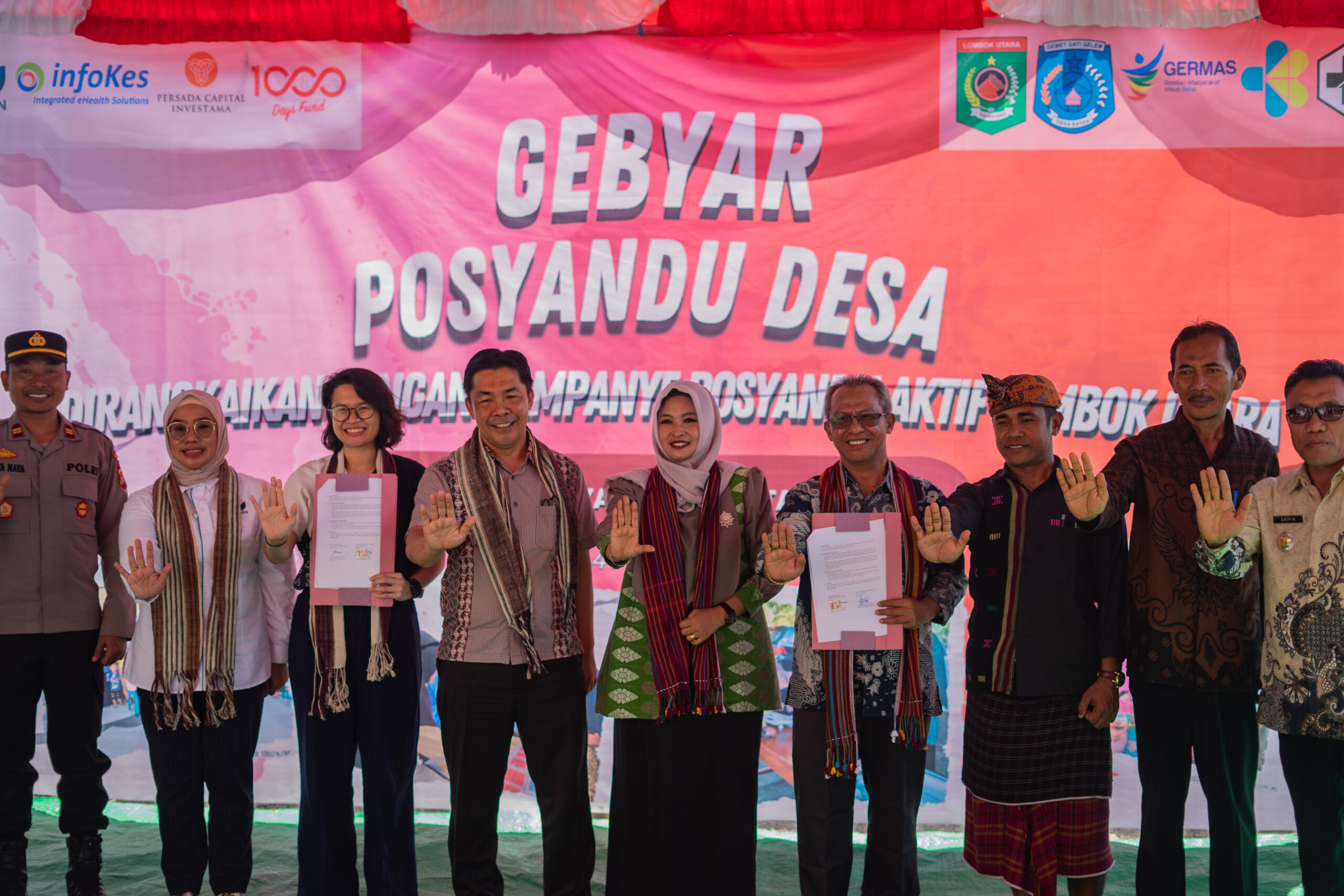
North Lombok Government Recognizes 300 Posyandu Cadres at “Gebyar Posyandu Desa” in Bayan
19/09/2025